Caribbean Coast
From Cartagena to the snow-capped peaks of the Sierra Nevada and the Wayuu desert of La Guajira, 1,600 km of coastline where colonial heritage, indigenous peoples and beaches converge.
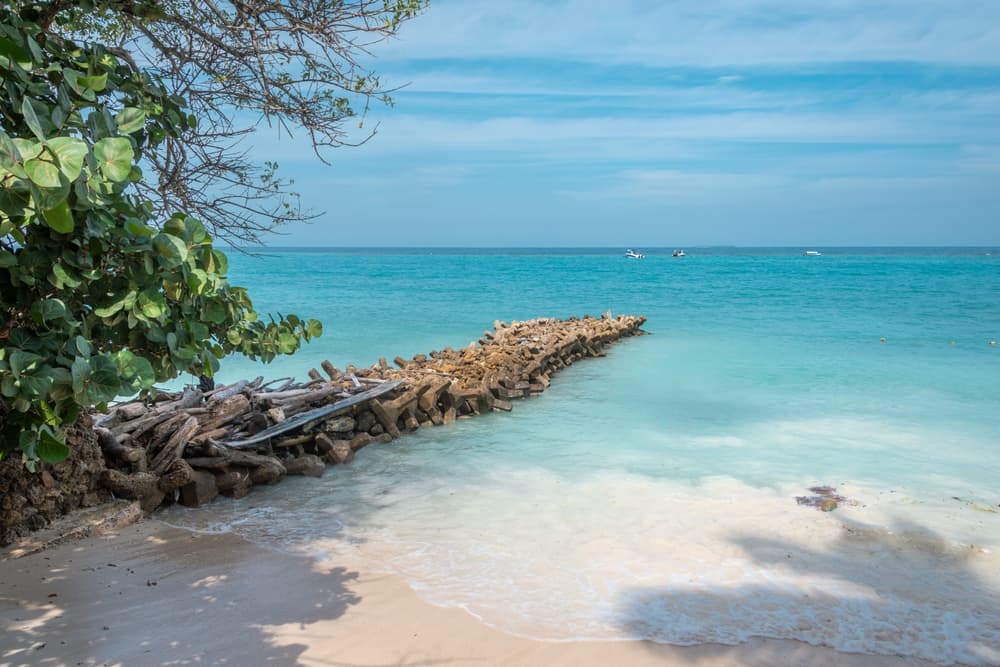
Colombia's Caribbean coast stretches nearly 1,600 kilometres between the Panamanian border and the La Guajira peninsula, facing Venezuela. Our team considers it the country's most contrasting region: within fewer than 200 kilometres, you move from the mangroves of Ciénaga Grande to the beaches of Isla Barú, then to the snow-capped peaks of the Sierra Nevada de Santa Marta, which rises to 5,775 metres and descends directly into the sea. This compact geography explains the density of experiences possible within a single stay.
Cartagena of the Indies, founded in 1533, remains the region's gateway. Its fortified historic centre, UNESCO-listed, concentrates ochre façades, bougainvillea and former colonial mansions in Getsemaní and the San Diego quarter. We recommend spending at least two nights here, prioritising late afternoons on the ramparts and mornings at the Bazurto market, away from the usual circuits. San Basilio palenque, 50 kilometres south-east, the first freed slave village in the Americas established in 1713, preserves its own Creole language and drum traditions still passed down through generations.
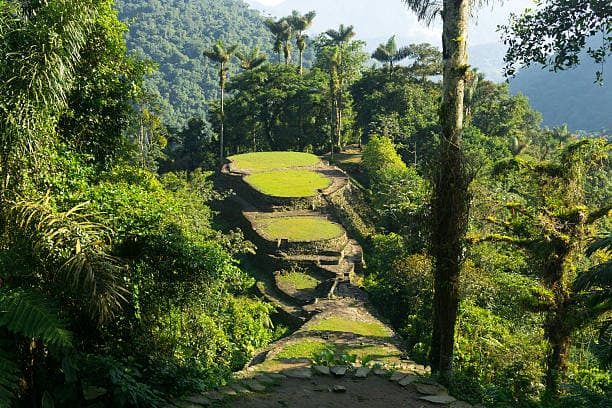
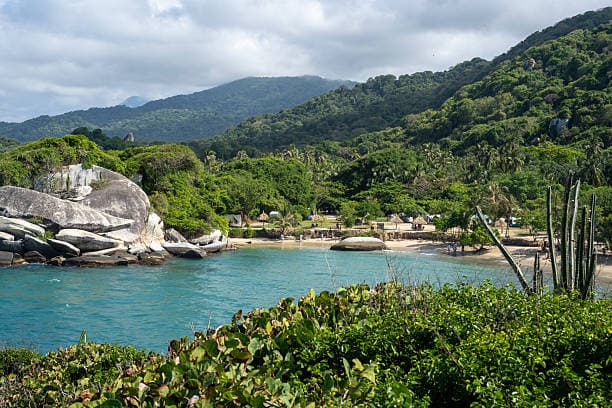
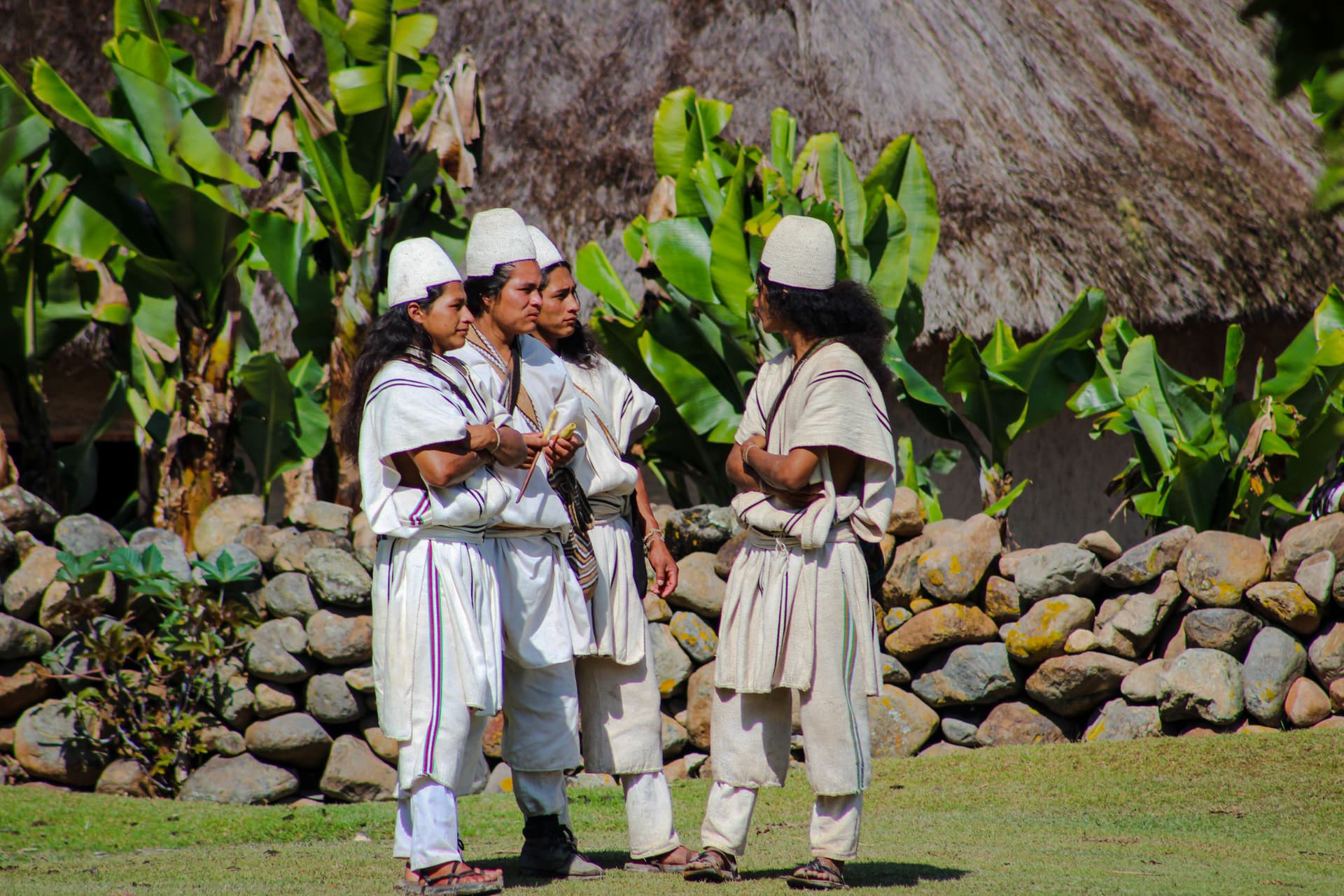
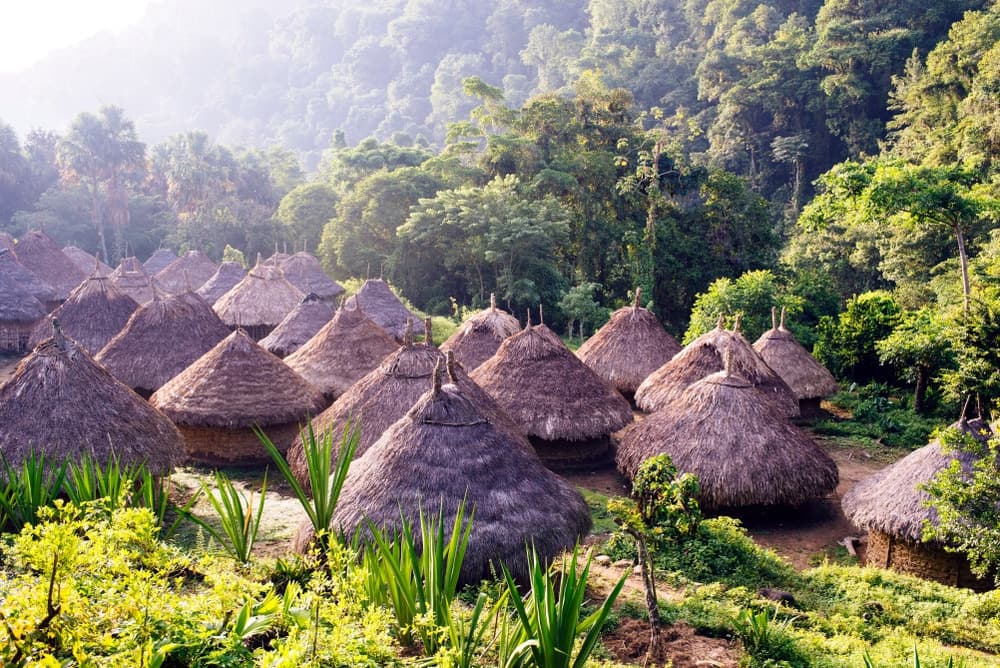
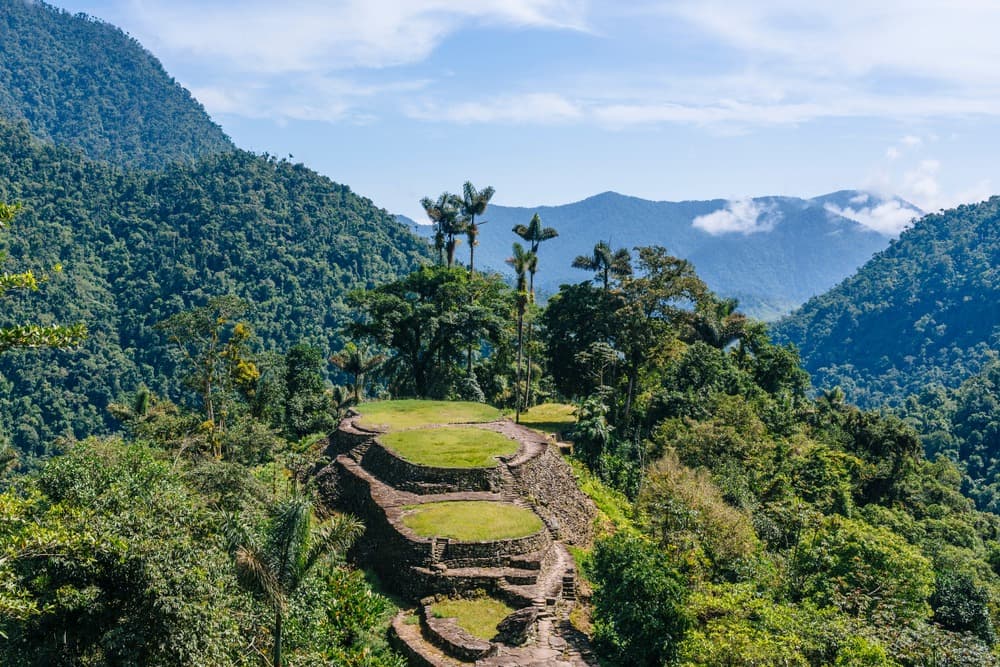
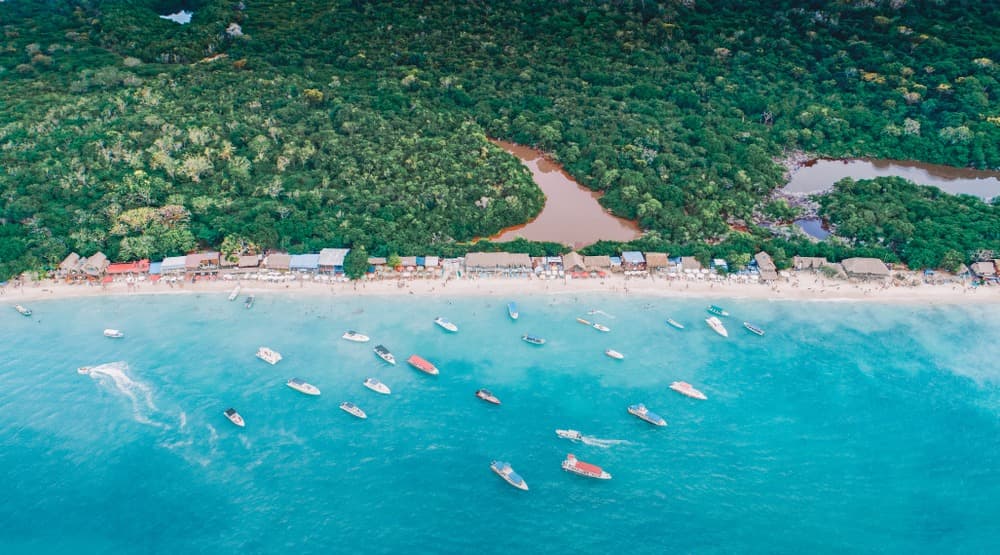
Further east, Santa Marta serves as a logistical base for two very different worlds. On one side lies Tayrona National Park, a succession of forest-lined coves between Cañaveral and Cabo San Juan, accessible on foot in two to four hours of walking. On the other, the Sierra Nevada, ancestral territory of the Kogui, Arhuaco, Wiwa and Kankuamo peoples, who consider themselves guardians of the world's balance. Ciudad Perdida, a complex of 8th-century Tayrone terraces, is reached in four days of trekking from El Mamey. We work with guides from local communities, which profoundly changes how you read the site.
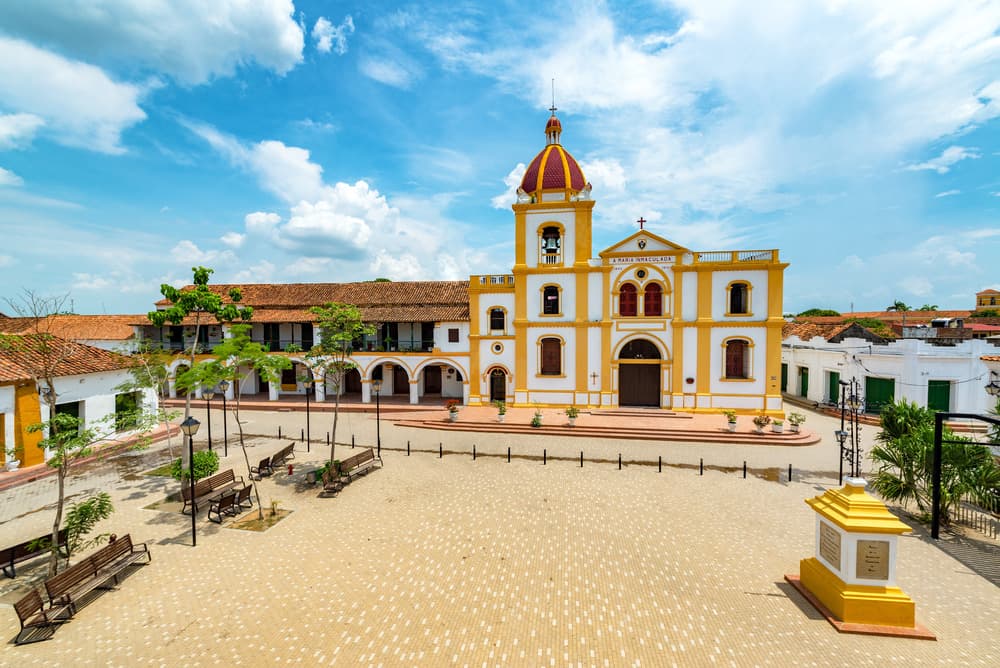
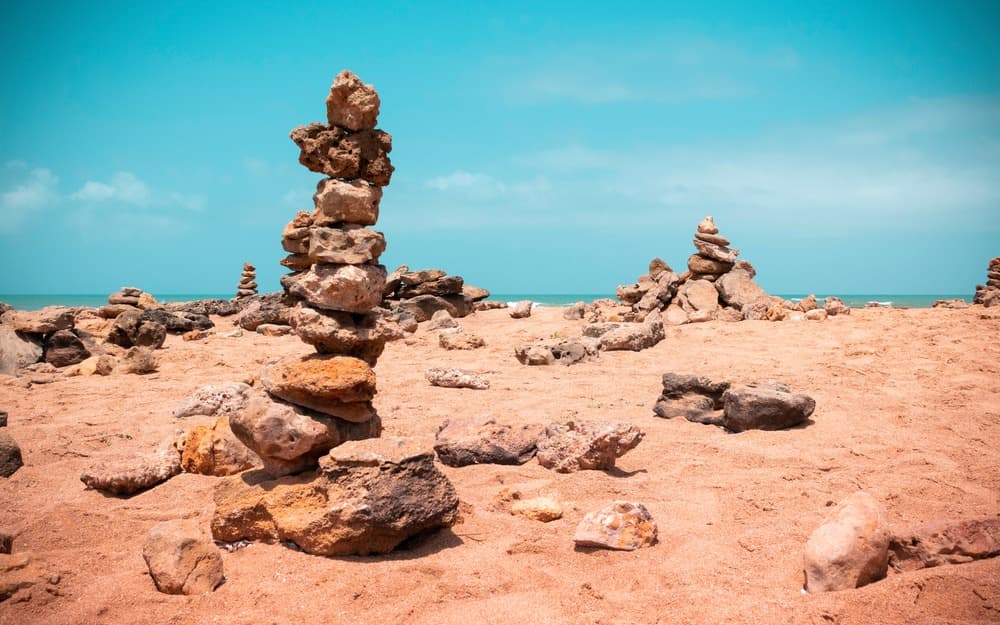
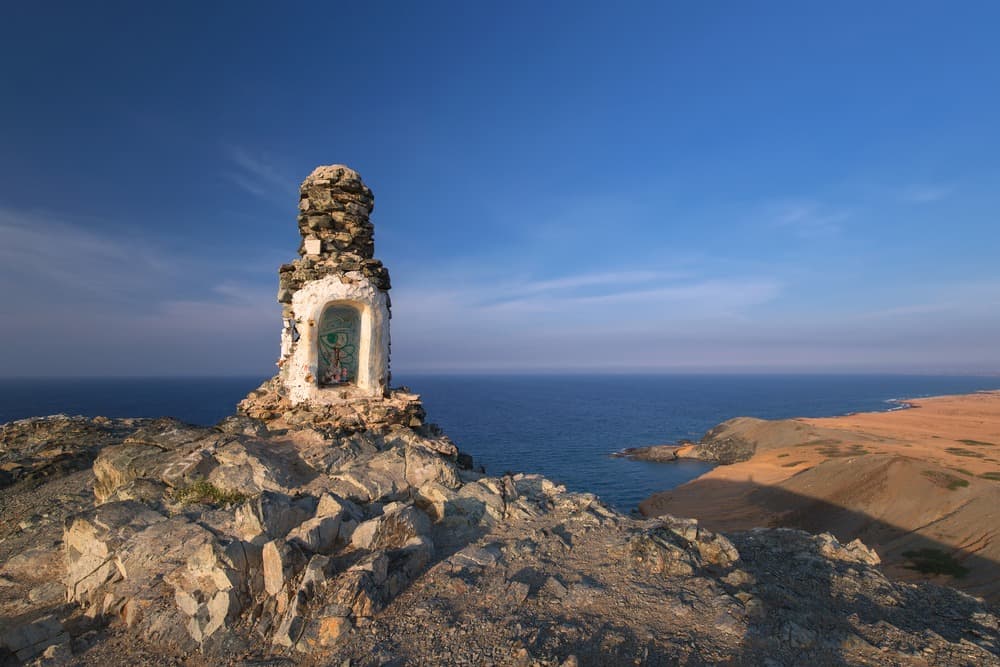
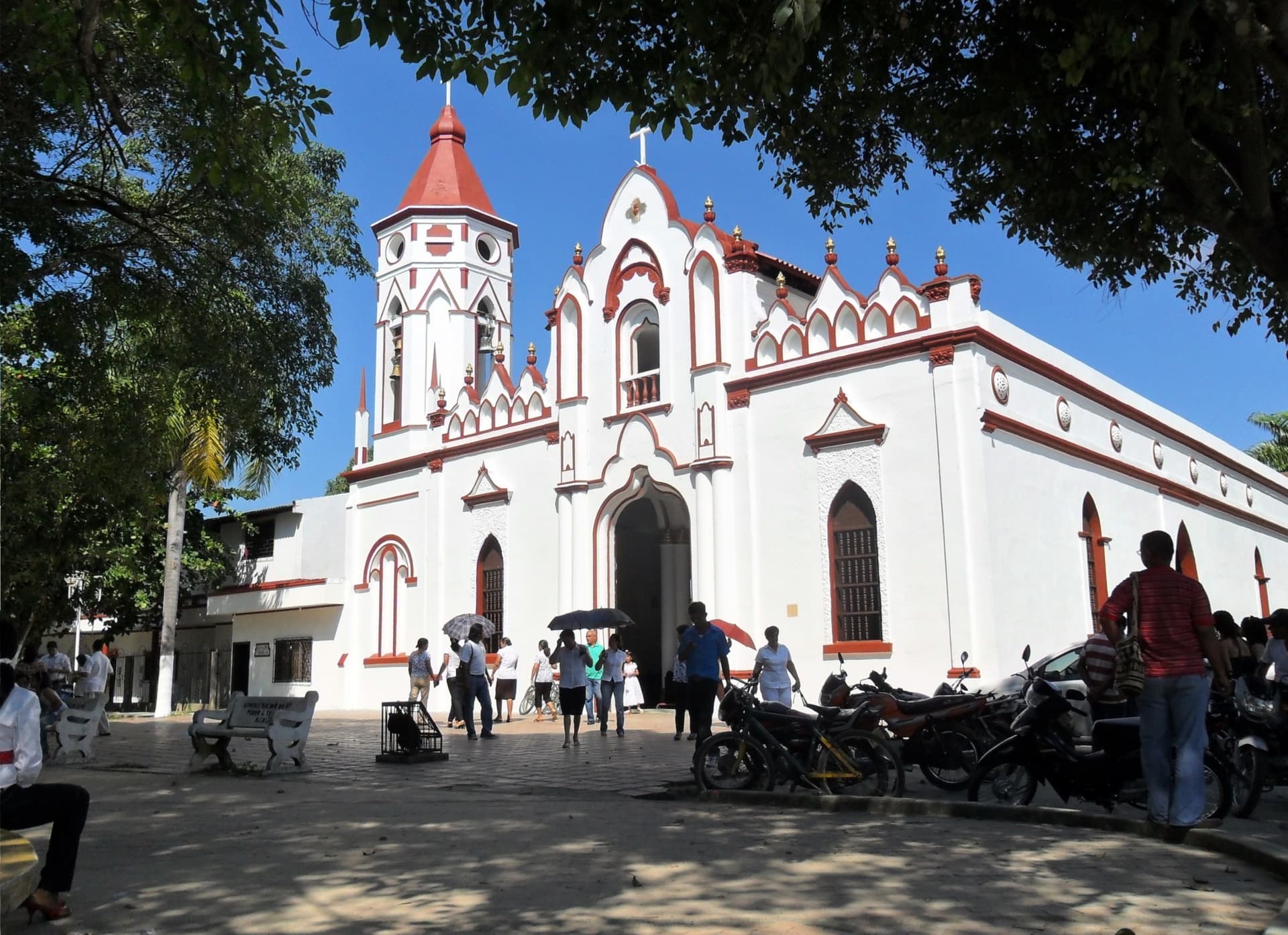
Away from major routes, Mompox preserves an atmosphere frozen since the 18th century. Situated on a branch of the Magdalena River, six hours' drive from Cartagena, the town lives to the rhythm of gold filigree work and carpentry workshops. Holy Week here is among the country's most austere, without Cartagena's crowds. Further east still, the La Guajira peninsula, inhabited by the Wayuu, opens onto desert and dune landscapes that descend to the sea at Punta Gallinas, the southernmost point of South America. Access is by 4x4 from Riohacha, over two to three days.
The cuisine reflects this diversity. Sancocho de pescado simmered over wood fires in Taganga, fried arepa de huevo from Barranquilla street stalls, coconut rice from Palomino, shrimp ceviches from the Islas del Rosario: each sub-region has its own recipes. Barranquilla, a less-visited port city, hosts the continent's second-largest carnival at the end of February, inscribed on UNESCO's intangible heritage list. Cumbias and Magangué brass bands converge there for four days.
Economically, the coast relies on artisanal fishing, beach tourism concentrated around Cartagena and Santa Marta, and the Barranquilla port. Disparities are stark: Palomino, a former fishing village, has transformed within a decade into a backpacker stopover, while the Afro-descendant communities of San Basilio or the Wayuu of La Guajira maintain more autonomous lifestyles. We direct our travellers towards locally-run accommodations and pre-arranged encounters rather than towards beach resorts on Barú.
To discover
Ciudad Perdida trek. Four days of walking through the Sierra Nevada to reach the 169 8th-century Tayrone terraces, accompanied by Wiwa guides who explain local cosmovision.
Cartagena beyond the ramparts. The Bazurto market at dawn, Getsemaní workshops and a nocturnal journey by chiva to La Boquilla, more authentic than visits to the fortified centre alone.
Mompox on the Magdalena. Three days in a colonial town frozen between the river's arms, gold filigree workshops, silent processions and nights on the Albarrada terraces.
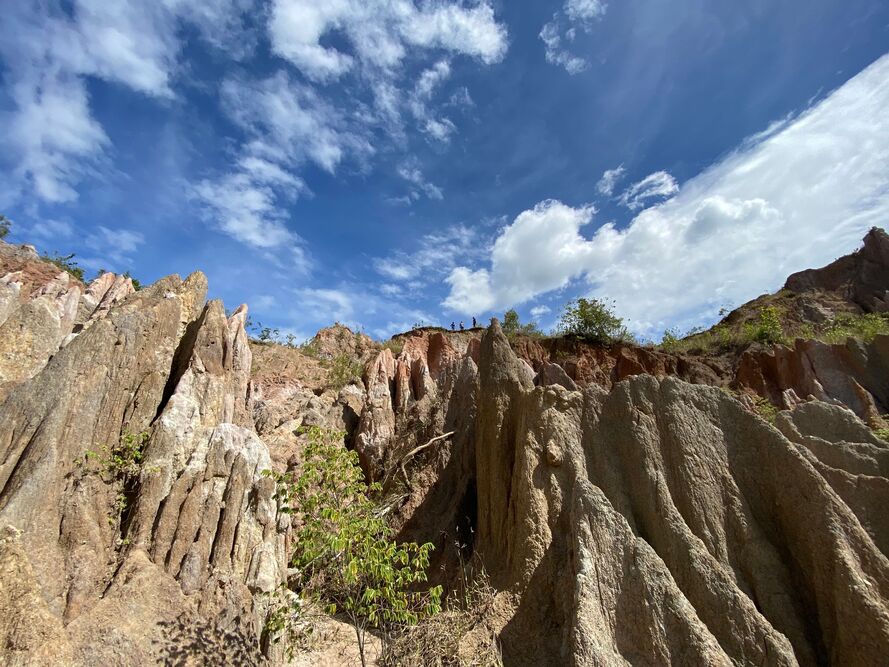
La Guajira desert. A 4x4 crossing to Cabo de la Vela then Punta Gallinas, nights in Wayuu chinchorros and meetings with the rancherías of Alta Guajira.
Tayrona National Park in quieter mode. Entrance via Calabazo rather than Zaino, overnight at Pueblito Chairama in the dry forest, and swimming at Cabo San Juan outside peak hours.
When to visit
The coast enjoys warm weather year-round, with daytime temperatures of 28 to 33°C that rarely drop below 24°C at night. The dry season runs from December to March: clear skies, calm seas, steady trade winds over La Guajira—the most comfortable period but also the most crowded, particularly between 20 December and 10 January when Cartagena prices double. A second drier window opens in July and August. From April to June and September to November, showers fall mainly in late afternoon, brief but intense, with a peak in October when some Tayrona trails close.
Conditions vary with altitude. In the Sierra Nevada, above 1,500 metres, temperatures drop to 15-20°C at night and humidity remains high year-round: bring spare dry clothing for the Ciudad Perdida trek, which closes each September to allow indigenous communities to perform their ceremonies. La Guajira, more desert-like, is exposed to constant winds between December and April, pleasant on the coast but challenging in the dunes.
Practical advice
We recommend a minimum of 7 days for the Caribbean coast, 10 to 12 if you wish to include the Ciudad Perdida trek or the La Guajira crossing. Cartagena airport (CTG) receives direct flights from Paris in season, otherwise via Bogotá or Panama. Santa Marta (SMR) and Barranquilla (BAQ) are other useful entry points depending on your itinerary. Road connections between Cartagena, Santa Marta and Palomino use decent roads, taking 4 to 5 hours, but Mompox and La Guajira require substantial transfer time.
The region combines well at the end of a circuit, after the Andes and Bogotá or the Coffee Axis, to finish at a slower pace. Travellers seeking genuine diversity will find colonial heritage, tropical mountain trekking, indigenous encounters and beaches all here. Hotel comfort is high in Cartagena and Santa Marta, more rustic in Palomino, Mompox and La Guajira where nights are often spent in hammocks. We would not recommend it to travellers sensitive to humid heat or seeking Andean altitude: for them, the Coffee Axis or the Southern Andes would be more suitable.