Guajira Peninsula
Guajira Peninsula
In northern Colombia, the Guajira Peninsula blends desert, dunes and Wayúu culture. Itinerary, seasons, accommodations and insider advice.
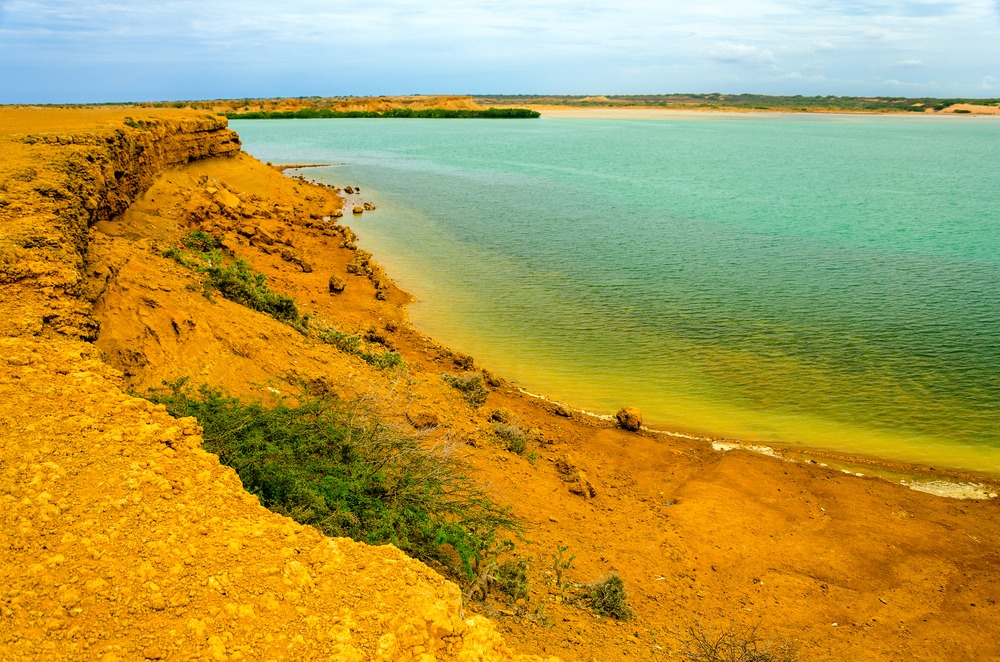
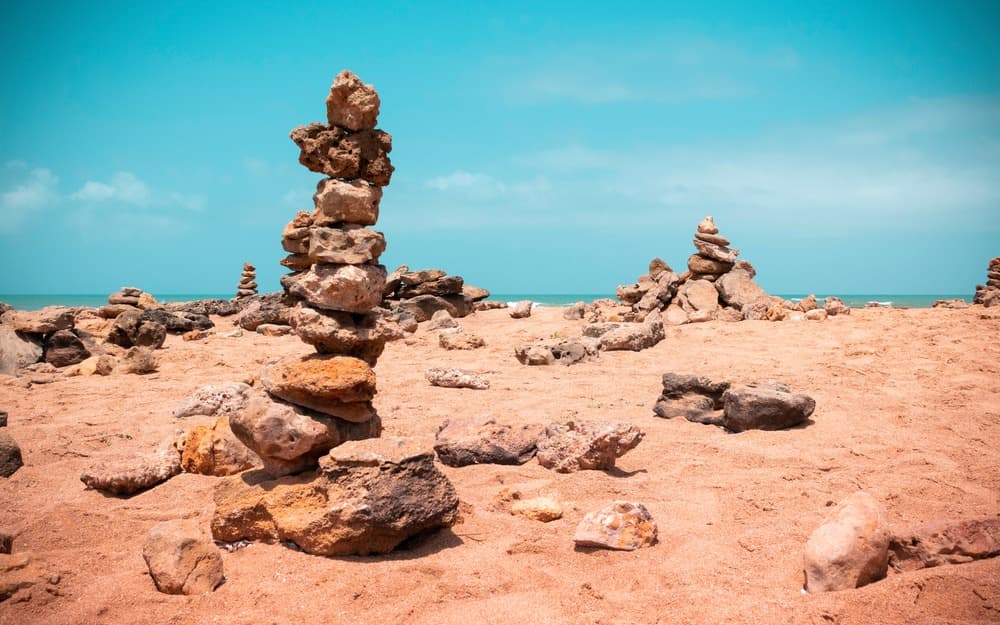
The Guajira Peninsula covers an area of 25,000 km² and stretches across Colombia's northernmost region, northwest of Venezuela. Arid and seemingly barren at first glance, it harbors rich diversity and striking contrasts. The landscape features paradisiacal beaches, vast sand dunes, crystalline rivers and more. Guajira is also the land of the Wayúu, indigenous peoples who have inhabited this exotic region for centuries.
History
Before the conquistadors' arrival, the Guajira Peninsula was home to various aboriginal peoples: the Macuiras, Cocinas, and Onotos. These communities lived off gathering, hunting, fishing, agriculture and trade.
The region's isolation, harsh climate, and the indigenous peoples' fierce resistance deterred Spanish conquest. The first Spaniard to establish himself here was geographer Juan De La Cosa, who founded a small settlement.
The conquistadors coveted the peninsula for its pearl wealth. Between the 16th and 18th centuries, Spanish settlements were repeatedly burned by indigenous warriors. Dozens of military expeditions to subjugate these peoples failed repeatedly. The indigenous peoples maintained trade relations with the Dutch, English and French, exchanging pearls, livestock and salt for weapons and gunpowder.
The Department of La Guajira was officially created on July 1st, 1965. Previously, it had belonged to the Department of Magdalena for nearly 80 years.
What to See in the Guajira Peninsula?
The Pink Flamingo Sanctuary
The Pink Flamingo Sanctuary sits along the Troncal del Caribe highway, which first serves Tayrona, then Palomino, before reaching Riohacha. This 7,682-hectare natural reserve takes its name from the numerous pink flamingos that inhabit it.
It comprises a mosaic of lagoons, dry forests and wetlands, and hosts no fewer than 185 bird species, many of them migratory. Other fowl you may observe include eagles and roseate spoonbills. Several turtle species frequent the reserve, coming to lay their eggs.
Riohacha
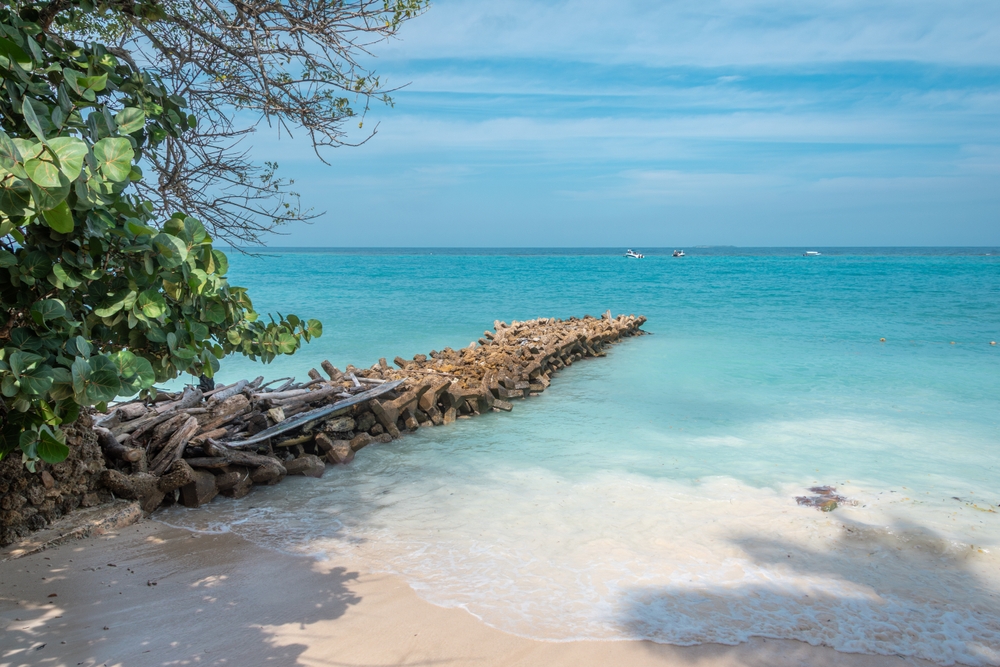
The capital of Guajira Department, Riohacha was founded in 1535 and today has approximately 170,000 residents. It's an essential stop before venturing into the heart of the peninsula's desert, deserving at least a day to explore its magnificent beach lined with towering coconut palms, its pier, the José Prudencia Padilla park, the Cathedral of Our Lady of Remedies, and more. You'll also find artisanal products crafted by the Wayúu people.
The Manaure Salt Flats
Spanning 4,200 hectares, the Manaure Salt Flats are Colombia's largest. Located 63 km from Riohacha, this tourist attraction features a landscape dominated by numerous water wells and immense mountains.
Palomino
Palomino is one of the settlements nestled in Guajira's pristine forest, and a pleasant stop before exploring the desert. From its beautiful beach, you can contemplate the snow-capped peaks of the Sierra Nevada massif, which also offers excellent hiking. Join an excursion exploring the Don Diego river to immerse yourself further in nature and birdlife.
Macuira National Natural Park
Venturing deeper into the Guajira Peninsula's desert, you'll discover Macuira National Natural Park. This protected area encompasses a mountain range rising 500 meters, influenced by a microclimate that gives it the appearance of a tropical forest. It's recommended for travelers who love off-the-beaten-path exploration. Though largely isolated from the outside world, a Wayúu community calls it home.
The park shelters extraordinary fauna and flora, including Cardinalidae and 15 snake species.
Cabo de la Vela
Cabo de la Vela is a lively seaside village seducing visitors with its long stretch of beach—equally ideal for windsurfing. Rocky cliffs and arid plains dotted with cacti surround it. Colombians flock here during December and January, though it remains peaceful the rest of the year.
Punta Gallinas
Punta Gallinas is the northernmost point of the Guajira Peninsula and of South America itself. This isolated spot lies 75 km north of Cabo de la Vela. A visitable lighthouse stands here, and vast sand dunes await discovery. Additionally, pink flamingos inhabit its turquoise coves.
What to Do in the Guajira Peninsula?
Discover the Wayúu and Their Culture
The Wayúu have inhabited the peninsula's desert since pre-Columbian times. Connect with these indigenous peoples to understand their way of life. You can also stay in a ranchería (an authentic Wayúu lodge), taste their cuisine, and experience their dance and music.
Kitesurfing at Cabo de La Vela
Cabo de La Vela is a renowned kitesurfing spot with wind year-round. Several kitesurfing schools operate here for beginners.
Birdwatching
The peninsula is an excellent birdwatching destination, particularly around Camarones. Beyond pink flamingos, you may spot endemic species like the scarlet tanager, tocuyo sparrow and buff hummingbird.
Practical Information
When to Visit?
The ideal time to visit the Guajira Peninsula is during the following months: January, February, August, September and December. These months see minimal rainfall.
Exploring the Guajira Peninsula requires a four-wheel-drive vehicle, as roads are generally in poor condition.
Want to discover this destination?
Our local advisors design your tailor-made trip.