Andes and Bogotá
The Andean axis from Bogotá to Santander: high-altitude capital, colonial villages of Boyacá and Chicamocha canyon, the cultural foundation of any circuit in Colombie.
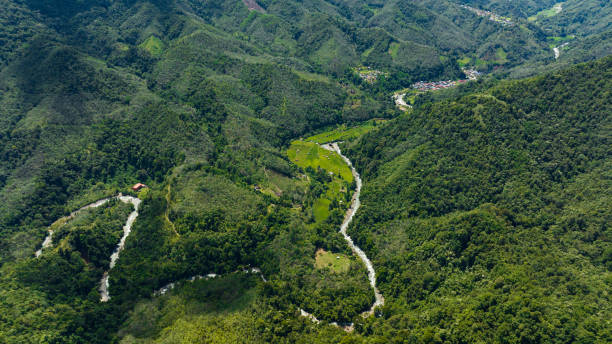
The Andes Cordillera divides into three parallel mountain chains as it enters Colombie from Ecuador. Between these Western, Central and Eastern ranges stretch deep valleys—those of the Cauca and Magdalena—and high-altitude plateaus where the country's population has concentrated since the 16th century. Bogotá, perched at 2,640 meters on the Eastern Cordillera plateau, sets the rhythm for the region: dry air, nights around 8°C even during the warm season, days capped at 19°C. Our English-speaking team based in the capital builds most circuits around this Andean axis that covers, from south to north, the departments of Cundinamarca, Boyacá and Santander.
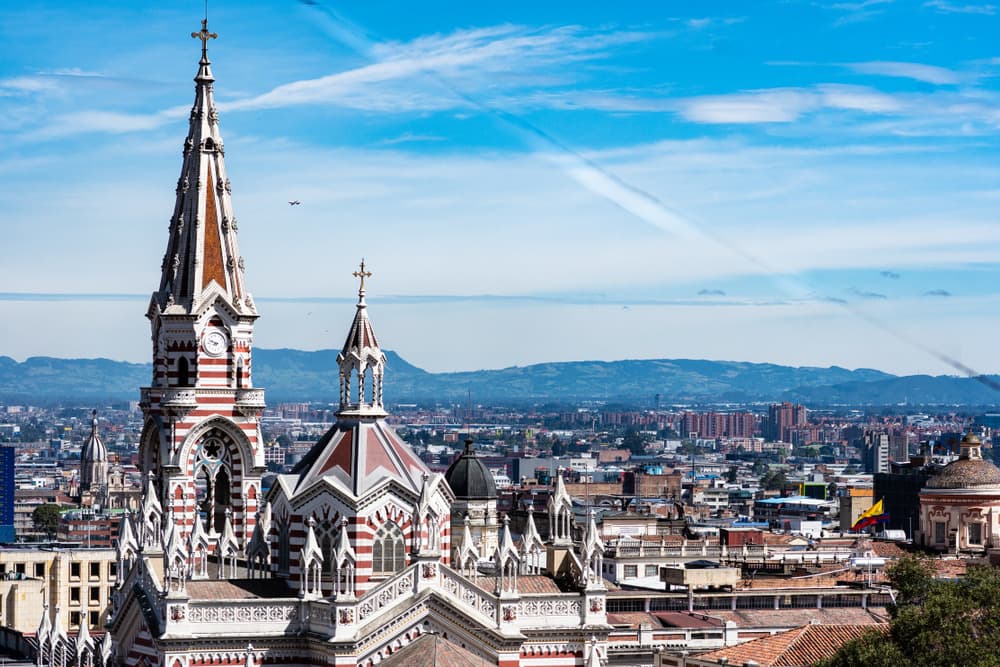
Bogotá concentrates the country's major cultural institutions. In the colonial quarter of La Candelaria, the Museo del Oro holds more than 30,000 pieces of pre-Columbian metalwork from the Quimbaya, Calima, Tairona and Muisca cultures. The Museo Botero, a donation by the Antioquia-born artist, occupies a colonial mansion two blocks away. A funicular climbs to the sanctuary of Monserrate, at 3,152 meters, from where the city unfolds across nearly 50 kilometers from north to south. On Sundays, the Ciclovía closes 120 kilometers of avenues to cars—a Bogotá habit since 1974 that's worth experiencing.
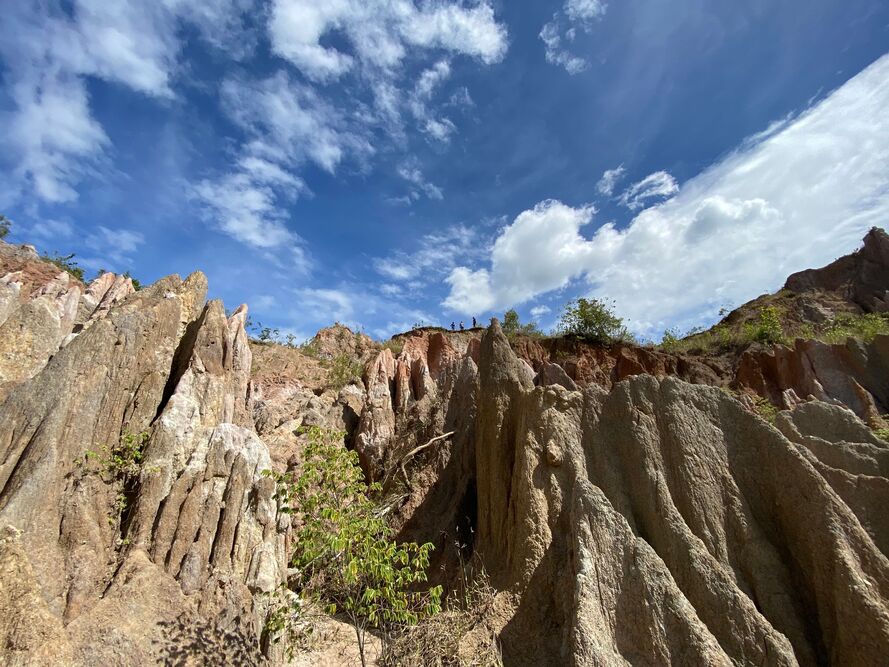
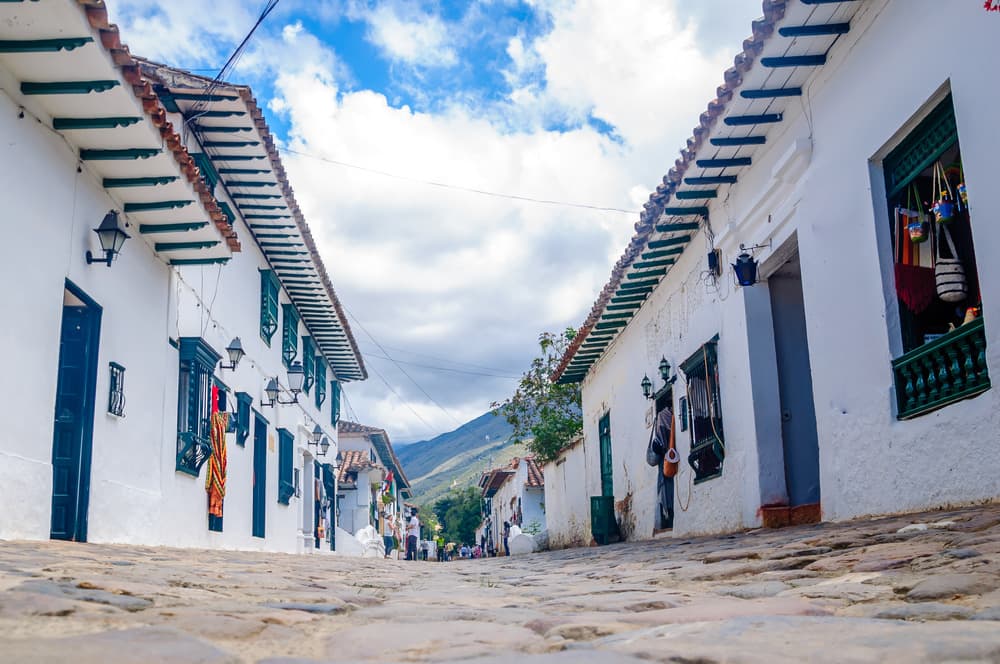
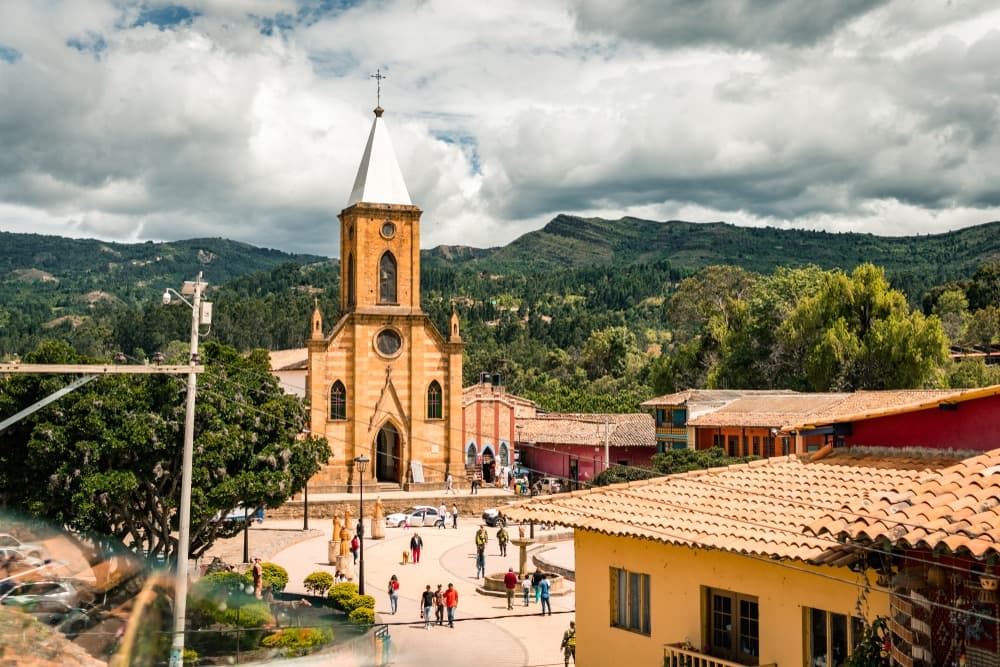
North of Bogotá, the road climbs through the department of Cundinamarca then Boyacá. Fifty kilometers from the capital, Zipaquirá is home to a cathedral carved into a rock salt mine worked since Muisca times, 180 meters underground. Further on, Villa de Leyva preserves one of South America's largest colonial plazas, 14,000 square meters lined with 17th-century whitewashed houses. The surroundings yield ichthyosaur fossils and the Candelaria Desert, once a retreat for Augustinian monks. Boyacá remains an agricultural department: Saturday markets in Tunja or Paipa showcase papas criollas, wool ruanas and arepa boyacense with fresh cheese.
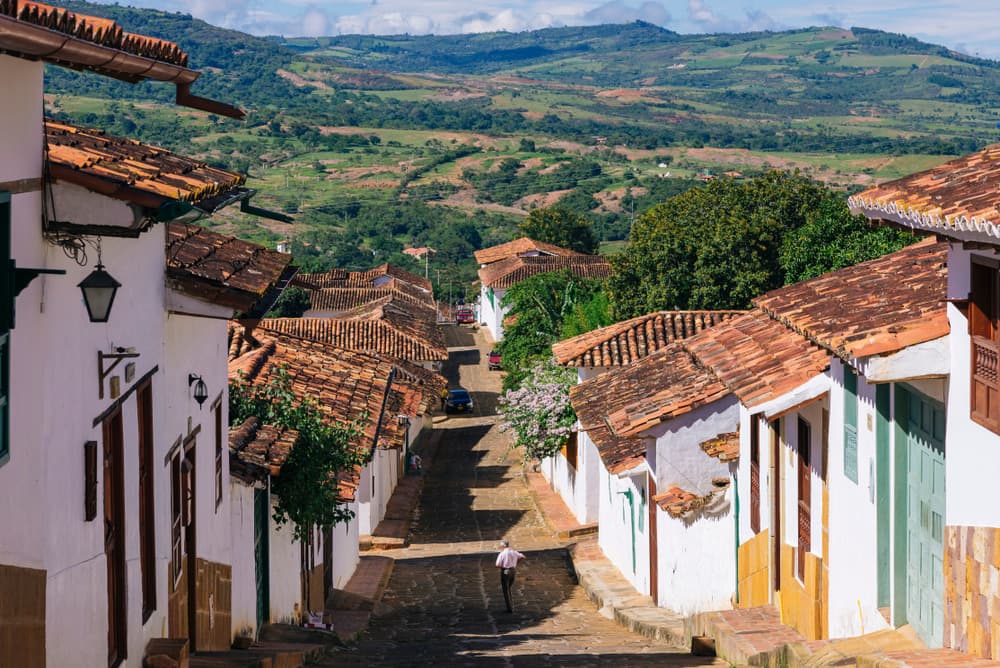
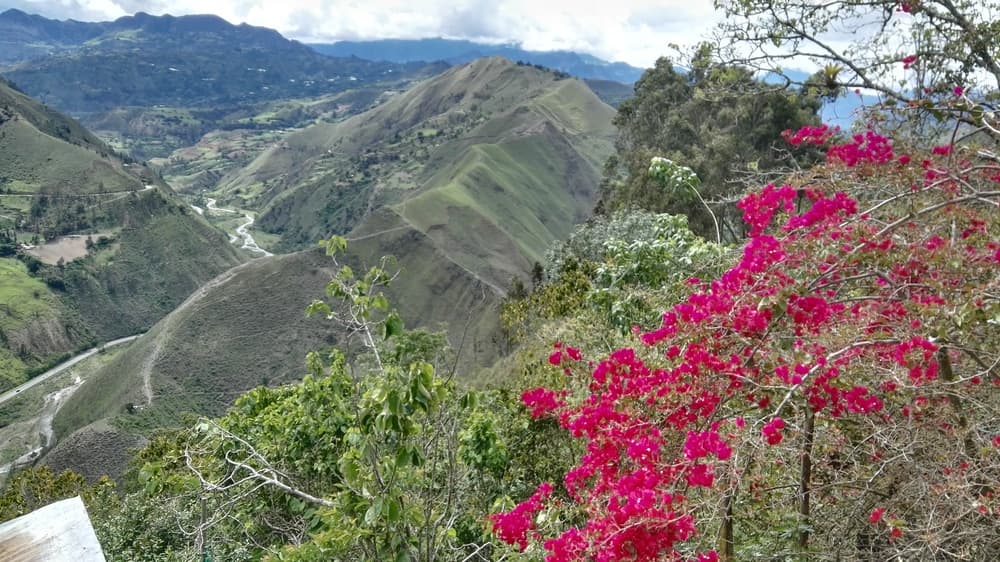
Further north still, the department of Santander changes character. The landscape cuts into limestone canyons, the climate warms around 25°C. San Gil, on the Fonce River, serves as a base for sporting activities: Class III to V whitewater rafting, paragliding above the Chicamocha canyon that plunges 2,000 meters below. Twenty kilometers away, Barichara lines its streets with yellow stone pavement and its walls in tapia pisada—considered the country's best-preserved colonial village. The Camino Real connecting Barichara to Guane, 9 kilometers of 18th-century stone-paved trail, takes two hours to walk.
In terms of cuisine, the Andean region champions cold-climate cooking. Ajiaco santafereño, a Bogotá soup with three potato varieties, chicken, corn and guasca herb, is served with capers and cream. In Boyacá, mute boyacense mixes corn, wheat, chickpeas and several meats. In Santander, the culona ant, harvested in April and May and roasted with salt, remains a specialty inherited from the Guane people. Inhabitants of the Eastern Andes are familiarly called cachacos in Bogotá, boyacos further north, santandereanos in the canyon: three distinct identities travelers quickly perceive through accent and cuisine.
For our local agency, this region is rarely treated as an isolated destination. Rather, it forms the cultural and historical foundation of a broader Colombie circuit, to be combined with the Caribbean coast or the Coffee Axis depending on available time and season.
Highlights
La Candelaria and the Museo del Oro. Bogotá's historic center is explored on foot in half a day, passing colonial houses in vibrant colors, street art murals along Calle del Embudo and the Museo del Oro's pre-Columbian collection.
Villa de Leyva and the Candelaria Desert. A 17th-century paved plaza, pottery workshops in nearby Ráquira and unusual desert landscapes at 2,100 meters altitude, 4 hours' drive from Bogotá.
Chicamocha Canyon by paraglider. A 20 to 30-minute flight above a gorge 2,000 meters deep, departing from Mesa de Ruitoque near Bucaramanga, with stable thermals year-round.
Barichara and the Camino Real. A yellow-stone colonial village designated a national monument, and a 9-kilometer descent on an 18th-century paved path to the Guane hamlet of Guane.
Zipaquirá Salt Cathedral. Three naves carved 180 meters underground in a salt mine worked since Muisca times, an hour and a half from Bogotá by the northern route.
When to visit
The Andean region experiences two dry seasons and two rainy seasons, aligned with the oscillation of the Intertropical Convergence Zone. The most stable periods run from December to March and July to August, with clear mornings and possible afternoon showers. April, May, October and November concentrate the heaviest rains: in Bogotá, monthly totals exceed 120 millimeters and Boyacá roads may experience landslides. Temperatures remain stable year-round in Bogotá, between 6°C at night and 19°C during the day, while San Gil and the Chicamocha canyon fluctuate between 22 and 30°C.
For paragliding at Chicamocha and rafting at San Gil, we favor the December to February window, when rivers are calmer and air visibility is better. Colombia's high tourist season follows the local school calendar: Holy Week, mid-June to mid-July and the last week of December see an influx of domestic travelers, particularly at Villa de Leyva and Barichara, where accommodations must be booked two months in advance.
Practical advice
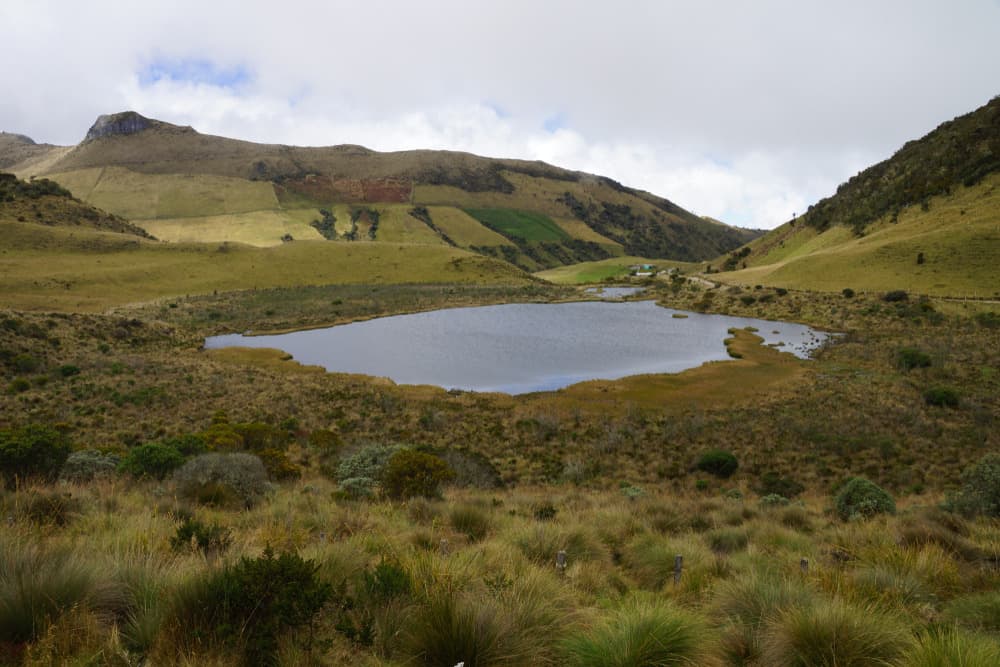
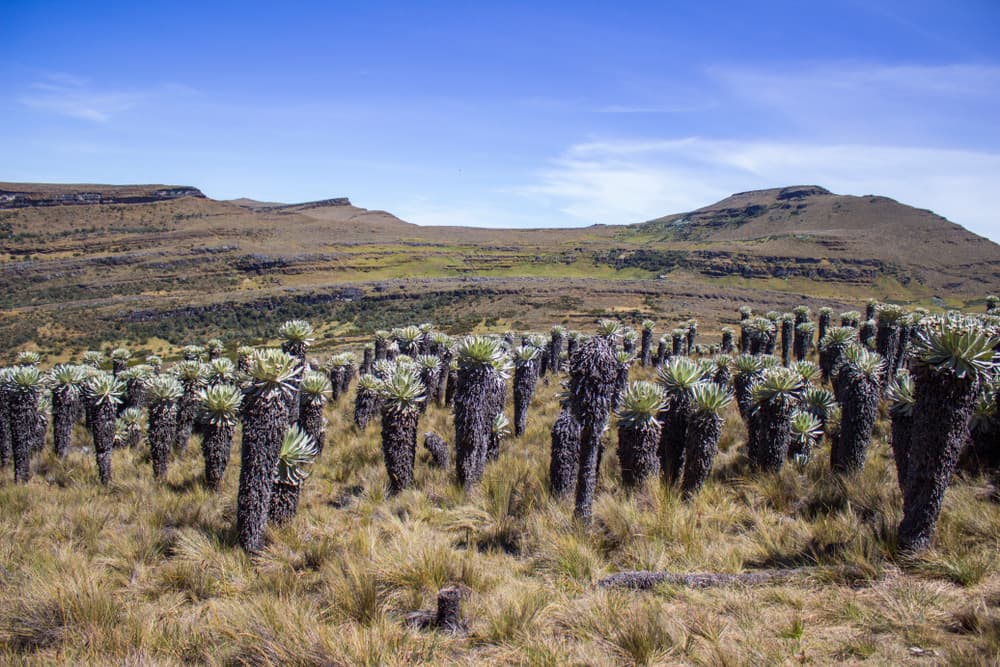
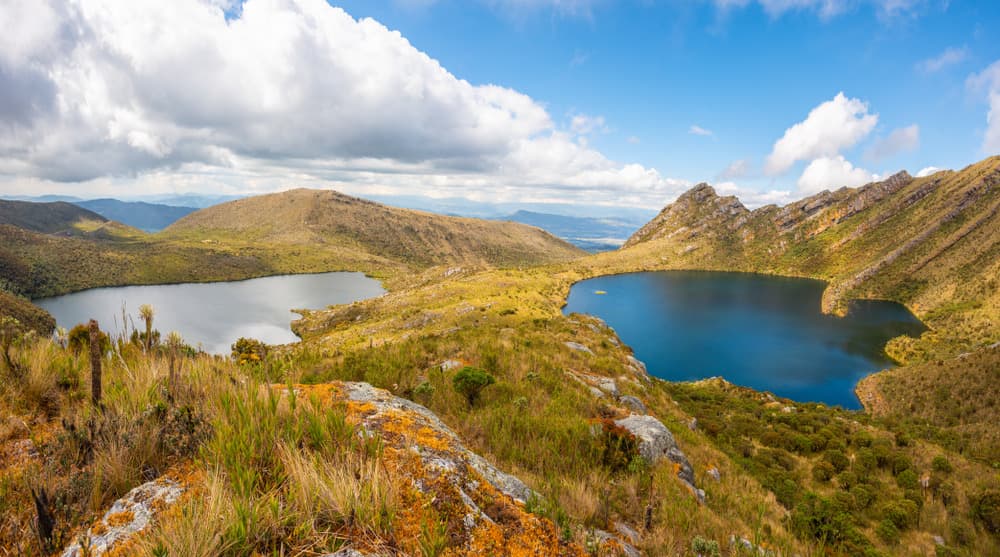
We recommend five to seven days to traverse the Bogotá, Villa de Leyva, San Gil, Barichara axis, roughly 600 kilometers of road heading north. With three days, stay to Bogotá and Zipaquirá. With ten days, add the Guatavita Lake region and Chingaza National Park for páramo enthusiasts. Bogotá's El Dorado airport, the country's primary air hub, serves all international departures and domestic flights to Bucaramanga, a possible exit point after Santander.
Combinations are wide-ranging: Bogotá naturally precedes a flight to Pereira or Armenia for the Coffee Axis, or to Cartagena and Santa Marta for the Caribbean coast. For the Amazon, the direct Bogotá-Leticia flight is the only reasonable access. The southern Andes and desert connect via air through Neiva or Pasto. Comfort levels remain high throughout the axis, with restored haciendas in Boyacá and boutique hotels in Barichara. The region suits travelers curious about colonial and pre-Columbian history, families with teenagers for sporting activities at San Gil, and contemplatives for Boyacá's villages. Bogotá's altitude requires a day of acclimatization, especially for travelers arriving from coastal areas.