Quindío Region
Quindío Region
An Andean department listed as a UNESCO World Heritage Site, Quindío brings together Cocora Valley, colorful villages like Salento and coffee haciendas at the heart of Colombia's coffee zone.
Quindío is a Colombian department nestled in the Andes cordillera, at the heart of the coffee region. Its verdant hillsides, colonial haciendas and wax palm forests—Colombia's national tree—make it one of the country's most photographed rural areas. Armenia, the administrative capital, serves as the point of entry, but it is the countryside that holds most of the appeal.
Practical information at a glance
- Access: El Edén Airport in Armenia connects Bogotá and Medellín. Regular buses from Cali, Medellín and Bogotá via Armenia's terminal.
- Recommended duration: 3 to 5 days to combine Cocora Valley, Salento and a coffee hacienda.
- Clothing: Light clothing but warm layers for high-altitude hikes; waterproof boots or shoes recommended during rainy season.
- Seasons: Two dry seasons (December-February and June-August) more favorable for hiking; frequent rains the rest of the year.
What to see
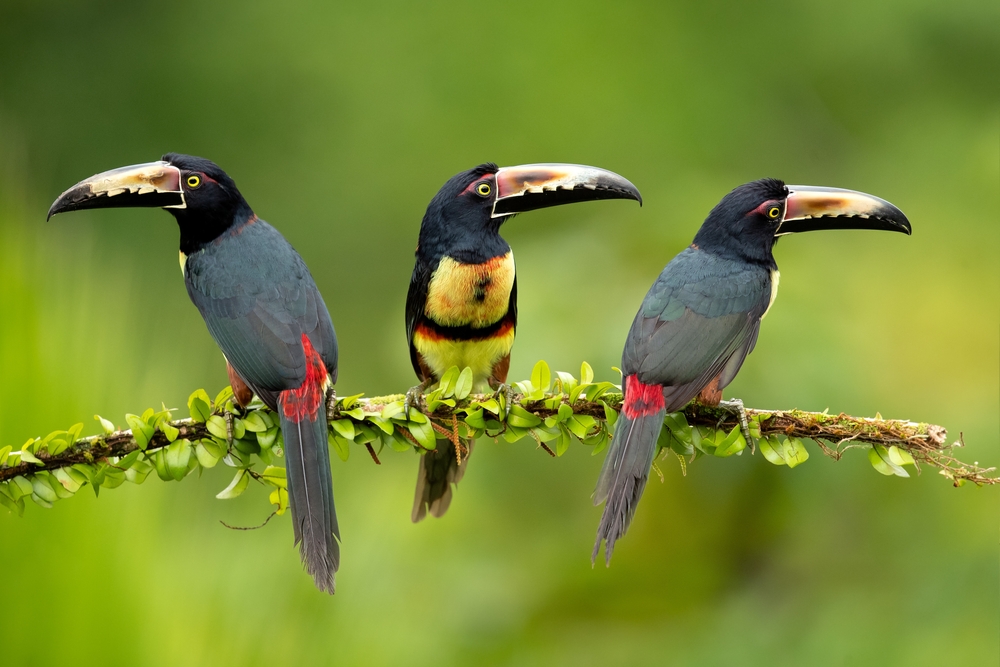
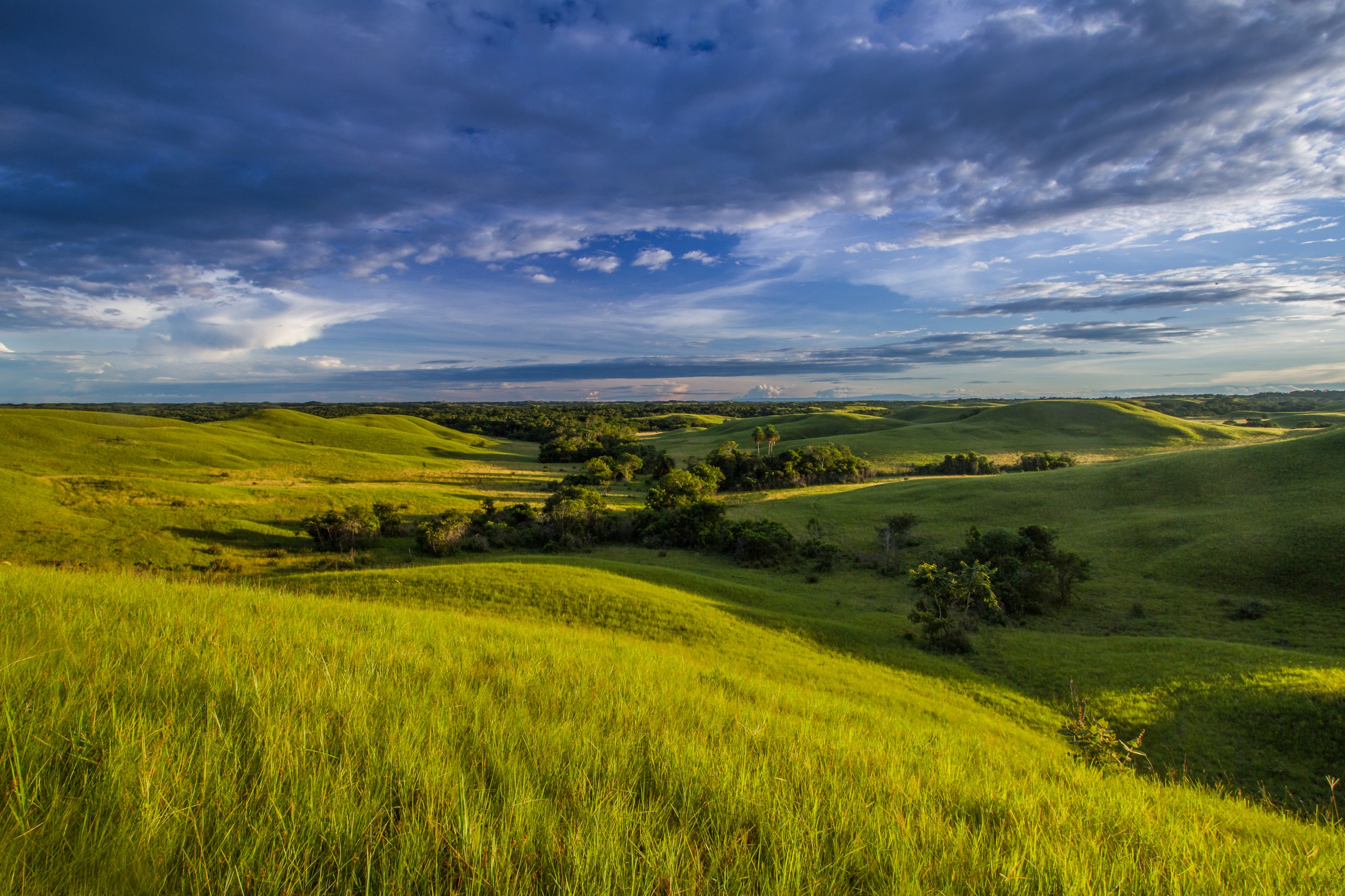
The landscape alternates between terraced coffee plantations, wax palm forests sometimes reaching 60 meters in height, and villages with colorful facades typical of paisa architecture. Haciendas offer tours of the complete coffee cycle, from cherry to cup. Wildlife is abundant: toucans, hummingbirds and, in forested areas, spectacled bears.
History and context
Quindío was colonized in the nineteenth century by migrants from Antioquia who cleared Andean slopes to plant coffee and sugarcane. This paisa settlement forged a distinctive vernacular architecture—bahareque wood, carved balconies, vibrant colors—recognized by UNESCO in 2011 as part of the Cultural Landscape of Colombia's Coffee Region, a World Heritage Site.
Highlights of the visit
Cocora Valley
From Salento, the valley is home to the country's largest concentration of wax palms. The circular hike (around 4 to 5 hours) crosses misty meadows, suspension bridges and cloud forest. The palms emerge from the fog in a striking setting.
Salento
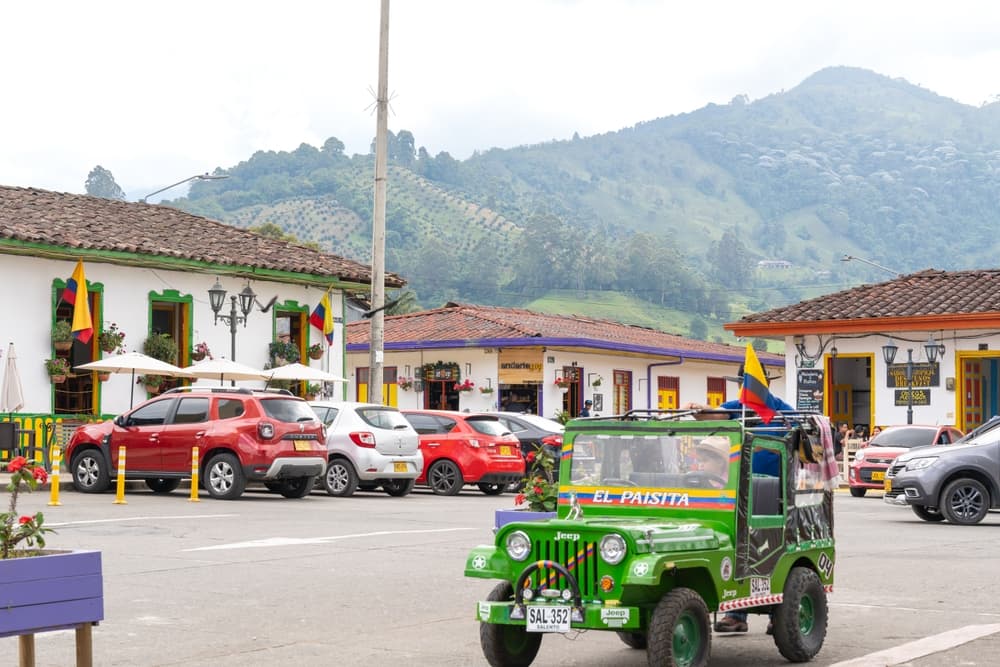
The best-preserved village in the department, Salento lines its streets with houses painted in yellow, blue and red. The viewpoint at Alto de la Cruz offers a panoramic view over the valley. Restaurants along the main street serve trucha (trout), locally raised in Andean rivers.
Coffee haciendas
Several fincas around Montenegro, Quimbaya and Filandia open their doors to visitors. You can follow the harvest process, pulping, fermentation and roasting. Some offer accommodation in guest rooms within restored colonial buildings.
Filandia
Less frequented than Salento, Filandia retains authentic paisa architecture and recognized basketry crafts. Its viewpoint offers a clear view over the surrounding coffee hills.
Parque Nacional del Café (Montenegro)
A theme park dedicated to Colombian coffee culture, with museum, educational plantations and family attractions. Particularly suited to family trips.
Photography tips
Cocora Valley photographs best early in the morning, when mist still envelops the palms. Golden late-afternoon light enhances the colorful facades of Salento. Avoid midday under a flat, white sky. Hummingbirds can be photographed at the feeders on fincas, often set up near terraces.
Location and access
Quindío borders the departments of Risaralda to the north, Tolima to the east and Valle del Cauca to the south. Armenia sits about 300 km from Bogotá and about 180 km from Medellín by road. From Armenia, Willys jeeps serve Salento and Cocora Valley—the region's iconic transport. Accessibility for persons with reduced mobility is limited in rural areas and hiking trails.
Nearby places accessible in a day trip: Salento, Cocora Valley, Filandia.
Around the area
- Pereira — Capital of Risaralda, less than an hour from Armenia, with lively urban life and access to the hot springs of Santa Rosa de Cabal.
- Manizales — University city to the north, gateway to Los Nevados National Park and its snow-capped volcanoes.
- Cali — About 3 hours to the south, the world capital of salsa and Colombia's second cultural city.
- Santa Rosa de Cabal — Natural hot springs in a forested setting, about 45 minutes from Armenia.
Frequently asked questions
The dry seasons (December-February and June-August) offer the best conditions for hiking in Cocora Valley. Outside these periods, rains are frequent but brief; bring a rain jacket.
Collective Willys jeeps depart regularly from Salento's central plaza toward the valley entrance. It is the usual and most practical means of transport for visitors.
During high season (December-January, July) and weekends, advance booking is strongly recommended, especially if you wish to stay overnight. During the week in off-season, some fincas accept visits without reservation.
The full circuit requires 4 to 5 hours of walking with moderate elevation changes and muddy sections. Waterproof boots or shoes are essential. A shorter version, without crossing the cloud forest, is accessible to occasional hikers.
Yes. Buses and collective jeeps connect Armenia to Salento, Filandia and Montenegro. For remote haciendas, a taxi or local agency remains the most convenient option.
Most haciendas permit photography for personal use. Some require authorization for commercial shots. Ask directly at the reception.
Want to discover this destination?
Our local advisors design your tailor-made trip.