Parque Nacional Natural Puracé
Parque Nacional Natural Puracé
Active volcano, vast páramos, and sulfurous hot springs: Puracé National Park, 25 km from Popayán, is one of the most spectacular natural spaces in the Colombian Andes.
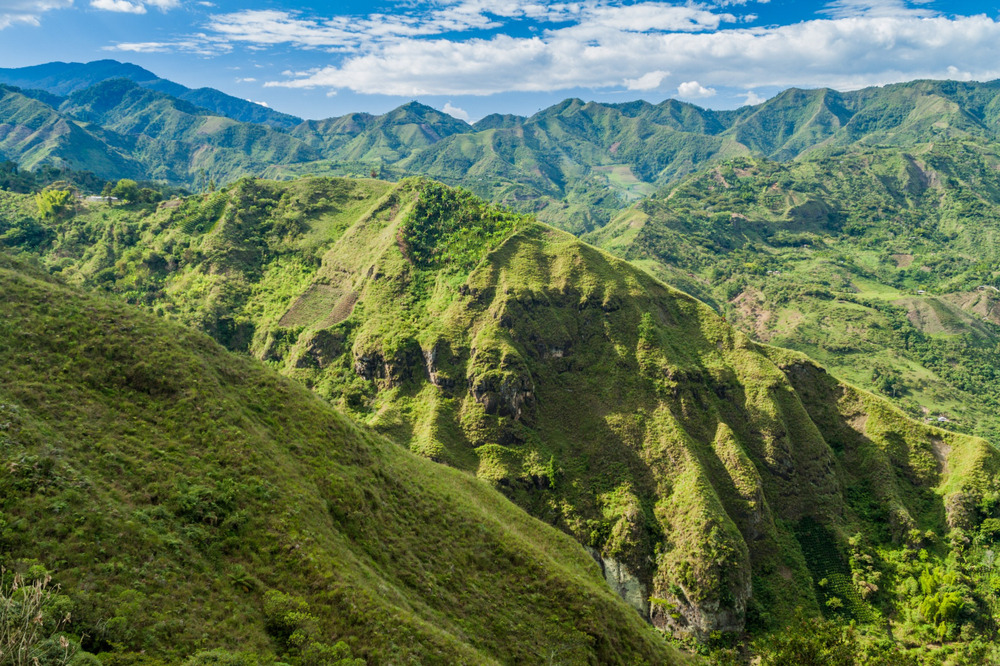
Puracé National Natural Park stretches across the Colombian Andes, in the department of Cauca, approximately 25 km southeast of Popayán. It is home to the active Puracé volcano, as well as a mosaic of páramos, glacial lakes, and sulfurous hot springs. It is one of the rare Colombian parks where volcanic geology, Andean biodiversity, and Kokonuko indigenous traditions converge on the same territory.
Practical Information at a Glance
- Entrance: paid (admission fee for Parques Nacionales Naturales de Colombia — rates to be verified with Parques Nacionales or your local operator).
- Access: road from Popayán to La Plata (national highway 25); the main entrance post is at El Crucero de La Mina.
- Recommended duration: 1 full day for the main trails; 2 days if you wish to attempt the volcano climb.
- Clothing: warm and waterproof garments are essential — the páramo is cold and rainfall is frequent year-round.
- Altitude: between 2,500 m and over 4,600 m at the summit of Puracé — acclimatization is recommended.
- Accessibility: very limited due to volcanic terrain and unimproved trails.
What to See
The park concentrates several Andean ecosystems. The páramo dominates the heights: frailejones (Espeletia) stretching across the landscape, glacial lakes, and wetlands. Lower down, the humid Andean forest is home to spectacled bears, mountain tapirs, and Andean condors. The San Nicolás waterfalls and the Pilimbalá thermal springs, with their sulfur-rich waters, are the most visited sites.
History and Context
The territory has been inhabited for centuries by the Kokonuko indigenous people, whose name specifically designates this volcanic region. The park was created in 1961, one of Colombia's first national parks. The Puracé volcano, a stratovolcano, experienced several eruptions during the twentieth century; its activity is continuously monitored by the Colombian Geological Service.
Highlights of Your Visit
Puracé Volcano (4,646 m)
The climb to the crater is the park's signature challenge. The trail departs from the lodge and traverses the páramo before reaching the zone of ash and fumaroles. Volcanic activity can lead to temporary closures: verify the alert status before departure.
Pilimbalá Thermal Springs
These sulfurous springs, located near the main entrance, are accessible without a long hike. The warm water contrasts with the cold páramo air — a welcome stop after a day of trekking.
San Nicolás Waterfall
Accessible via a marked trail from Pilimbalá, this cascade flows through dense Andean forest. The trail allows you to observe the park's characteristic flora and, with luck, endemic bird species.
The Páramo and Its Frailejones
The páramo ecosystem is ranked among the world's richest in freshwater. Frailejones, emblematic plants with large velvety leaves, capture moisture from clouds and feed the region's rivers.
Photography Tips
Morning light, before clouds arrive, offers the best conditions for photographing the volcano and páramo. Frailejones backlit at sunrise produce striking images. Avoid midday hours, which are often overcast. For the thermal springs, steam creates interesting effects in low-angle light.
Location and Access
The park is located approximately 25 km southeast of Popayán, capital of Cauca. Shared minibuses connect Popayán to La Plata and pass by the park entrance. By car, the road is paved to the main entrance. No direct public transport to the volcano lodge — a 4×4 vehicle or an organized tour is recommended for accessing the higher zones.
Nearby Attractions
- Popayán — The "White City" of the Andes, 25 km away, is the natural logistical base for visiting the park.
- San Agustín — Pre-Columbian archaeological site designated UNESCO World Heritage, accessible from the same national highway heading south.
- Tierradentro — Underground pre-Columbian necropolis, also UNESCO-designated, in the same Cauca department.
Frequently asked questions
December through February and July through August correspond to the driest seasons in the Cauca Andes. The páramo remains humid year-round; waterproof clothing is necessary regardless of the season.
A local guide is strongly recommended for the crater ascent. The terrain is demanding, fog can settle quickly, and volcanic activity requires knowledge of safety protocols.
No. The Colombian Geological Service continuously monitors Puracé's activity. In the event of high volcanic alert, access to the crater is closed. Check the alert level before your visit.
Yes. All three sites are located in Cauca department and are connected by national highway 25. A 4 to 5-day circuit from Popayán allows you to visit all three destinations without backtracking.
A lodge managed by Parques Nacionales exists inside the park, near the climbing zone. Capacity is limited; advance reservation with Parques Nacionales de Colombia is essential.
Thermal layers, waterproof jacket, hat, and gloves are essential once you reach higher altitudes. Waterproof hiking boots are necessary on all park trails.
Want to discover this destination?
Our local advisors design your tailor-made trip.