Popayán
Popayán
Popayán, known as the White City, captivates with its lime-washed colonial streets, five-century-old Holy Week processions, and gastronomy recognized by UNESCO.
Popayán, capital of Colombia's Cauca department, sits at over 1,700 meters elevation in the Colombian Andes. Nicknamed the « White City » for its uniformly whitewashed colonial facades, it blends baroque architecture, culinary traditions recognized by UNESCO, and a vibrant university life. A natural stopover between Bogotá and the Ecuadorian border, it offers a remarkably preserved historic center.
Practical information at a glance
- Elevation: approximately 1,700 m — bring a light jacket for evenings.
- Access: Guillermo León Valencia airport with flights from Bogotá and Cali; well-served bus terminal from Cali (~3 hours), Bogotá (~10 hours), and Pasto.
- Recommended duration: 2 to 3 days for the historic center and immediate surroundings.
- Dress code: appropriate attire required in churches (shoulders and knees covered).
- Currency: Colombian peso (COP); ATMs available downtown.
What to see
The historic center concentrates around twenty colonial churches and convents, all whitewashed. The Catedral de Nuestra Señora de la Asunción dominates Parque Caldas, the bustling central plaza filled with vendors and students. The Museo Guillermo León Valencia and Casa Museo Mosquera recount the city's political history. The cobbled streets between Calle 4 and Carrera 6 form an intact colonial setting.
History and context
Founded in 1537 by Sebastián de Belalcázar, Popayán was one of the most influential cities in the Viceroyalty of New Granada. It has given Colombia several presidents and major intellectuals. The 1983 earthquake destroyed much of the center; reconstruction faithful to the original, completed over decades, explains the current architectural uniformity. In 2005, UNESCO designated it a Creative City of Gastronomy, the first city in Latin America to receive this honor.
Visit highlights
Holy Week
Popayán's Holy Week processions are among the oldest in the Americas, organized uninterrupted since the 16th century. Religious statues carried by candlelight traverse the cobbled streets each evening of the week. The event attracts visitors from around the world; book accommodation several months in advance.
Cauca gastronomy
Local cuisine centers on pipián (pumpkin seed sauce), sancocho de gallina, and empanadas de pipián. The covered market and downtown restaurants offer these dishes at accessible prices. The Gastronómico Festival, organized each year during Holy Week, brings together chefs from across Colombia.
Morro de Tulcán
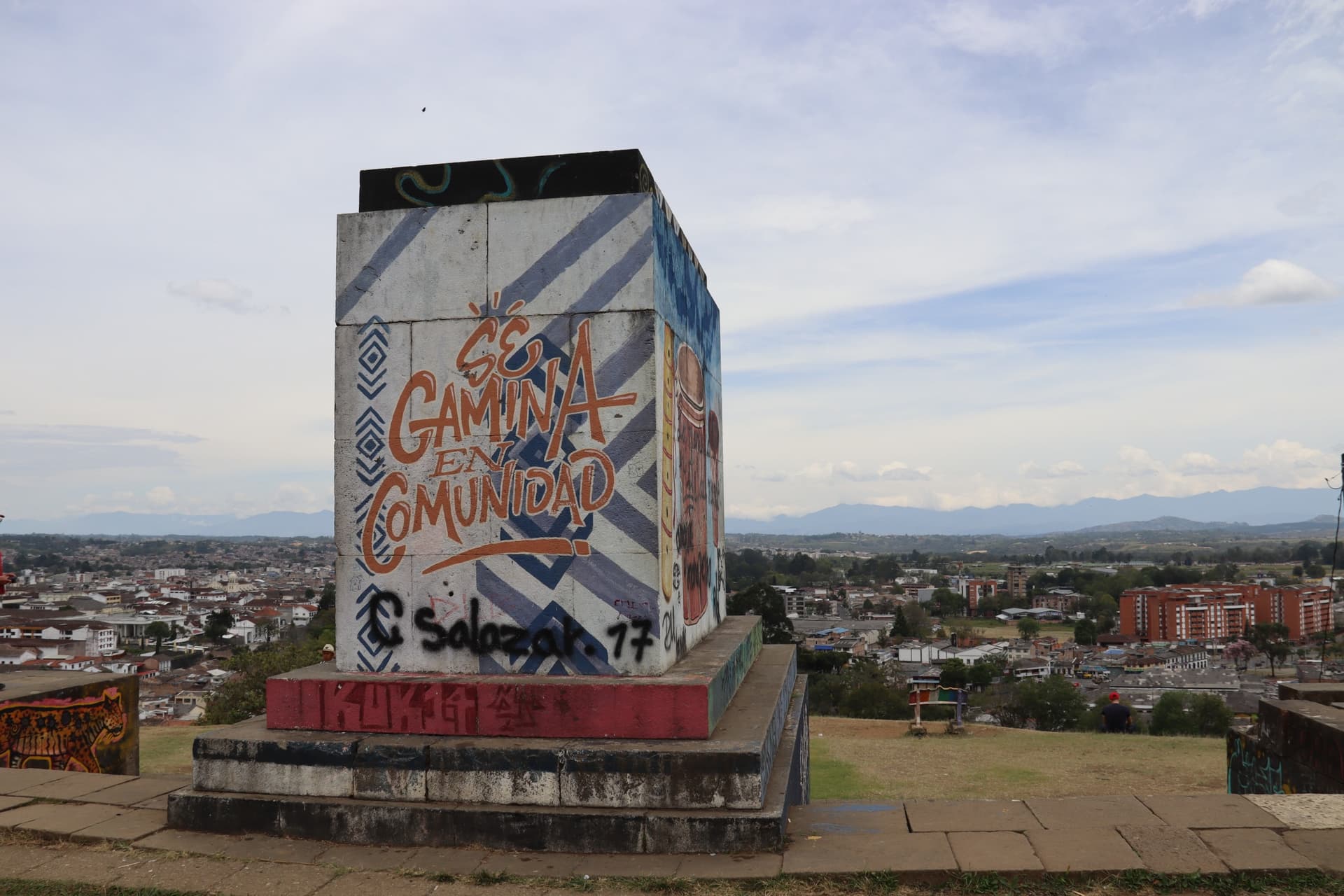
This pre-Hispanic hilltop crowned with an equestrian statue of Belalcázar offers sweeping views of the white rooftops and surrounding volcanoes. The walk from downtown takes about twenty minutes.
Natural surroundings
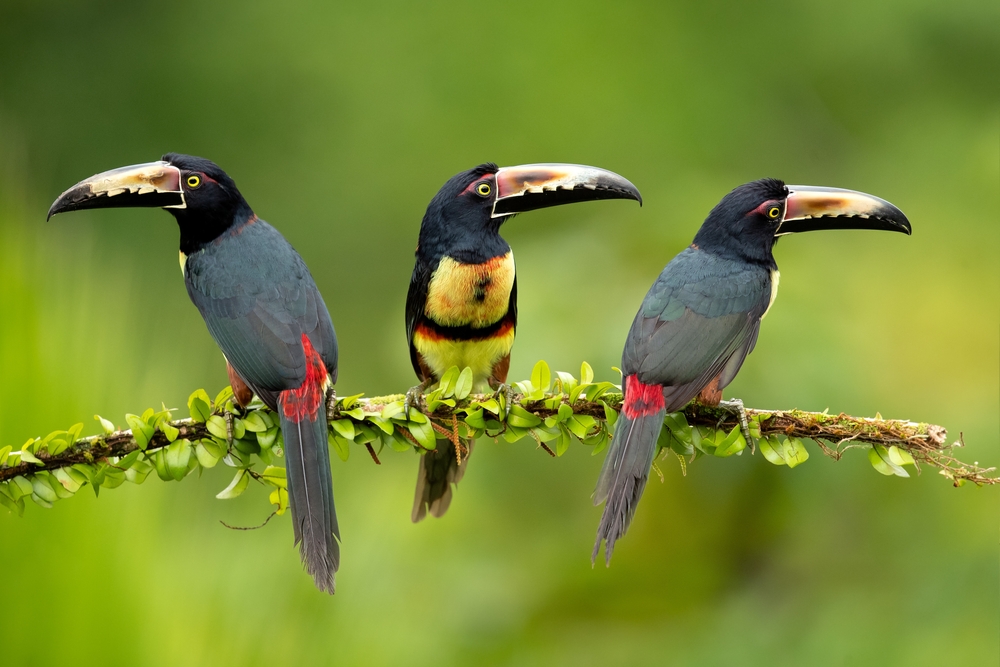
The Puracé National Natural Park, about 25 km away, is home to an active volcano, thermal springs, and Andean condors. The road toward San Agustín crosses spectacular páramo landscapes.
Etiquette and visiting rules
- Shoulders and knees covered in all churches.
- Avoid photographing the interior of religious ceremonies without permission.
- During Holy Week, respect silence during nighttime processions.
Photography tips
Morning light (before 9 a.m.) is ideal for photographing white facades without overexposure. Morro de Tulcán offers the best panorama in late afternoon, with Puracé and Sotará volcanoes in the background on clear days. During Holy Week, candlelit processions lend themselves to long-exposure photography.
Location and access
Popayán lies in southwestern Colombia, on the Pan-American highway between Cali and Pasto. The historic center is entirely walkable. The airport is a few kilometers from downtown, accessible by taxi. The city serves as a base for exploring the San Agustín archaeological site and Puracé National Park.
Nearby attractions
- San Agustín — UNESCO-listed pre-Columbian archaeological site with hundreds of stone funerary statues.
- Puracé National Park — active volcano, high-altitude lagoons, and Andean condors one hour's drive away.
- Silvia — market village of the Guambianos (Misak) indigenous community in traditional blue and pink dress.
- Cali — salsa capital, approximately three hours north via the Pan-American highway.
Frequently asked questions
The dry season (June-August and December-January) offers the best weather. Holy Week (March or April depending on the year) is the most lively period, but accommodation books far in advance.
One day is enough to see the main churches, Parque Caldas, and Morro de Tulcán. Allow two to three days if you wish to explore museums and local markets.
Yes. San Agustín is about five to six hours away by road. Direct buses connect the two cities; some travelers do a round trip in two days from Popayán.
The historic center is generally safe during the day. As in any Colombian city, avoid displaying expensive cameras at night and ask your accommodation about neighborhoods to avoid.
Yes. Shoulders and knees covered are required in all churches in the city. A shawl or light jacket suffices and proves useful against the cool altitude.
Local specialties include empanadas de pipián, sancocho de gallina, and champús (corn and fruit beverage). The covered market downtown is the most authentic place to try them at low prices.
Photos
Want to discover this destination?
Our local advisors design your tailor-made trip.