Sierra Nevada de Santa Marta
Sierra Nevada de Santa Marta
A unique coastal mountain range in Colombia, Sierra Nevada de Santa Marta combines tropical jungle, snow-capped peaks, Tayrona archaeological sites, and thriving indigenous communities — just kilometers from the Caribbean Sea.
Sierra Nevada de Santa Marta is an isolated mountain massif on Colombia's Caribbean coast, just kilometers from the sea. It is home to the country's highest peaks — Cristóbal Colón and Simón Bolívar summits — and constitutes one of the world's most biodiverse ecosystems, ranging from tropical beaches to glaciers and dense rainforest. It is also the ancestral territory of the Kogui, Arhuaco, Wiwa, and Kankuamo peoples, guardians of a living pre-Columbian culture.
Quick practical information
- Access: from Santa Marta by 4×4 vehicle or shared transport to gateway villages (Minca, Palomino, El Zaino for Tayrona Park).
- Mandatory permit: access to the Lost City (Ciudad Perdida) requires authorization and can only be arranged through an accredited agency.
- Recommended duration: 4 to 6 days for the Ciudad Perdida trek; 1 to 3 days for Minca or Tayrona Park.
- What to wear: lightweight and waterproof clothing, sturdy hiking boots, sun protection.
- Dry season: December to March and July to August — optimal trekking conditions.
- Accessibility for people with reduced mobility: very limited due to mountainous terrain.
What to see
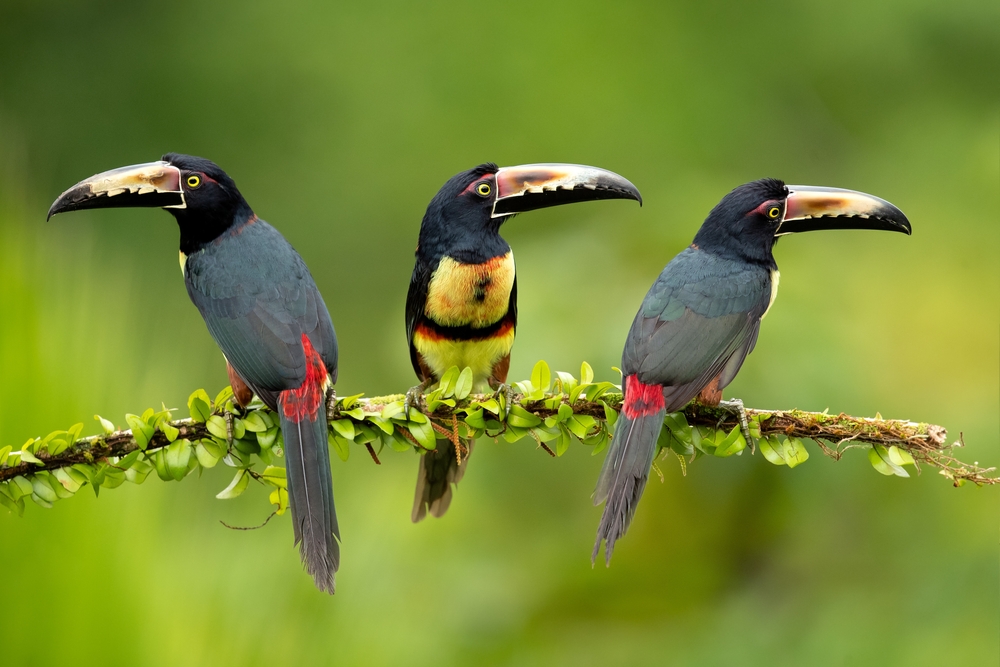
Sierra Nevada concentrates exceptional biodiversity: humid tropical forests, high-altitude páramo ecosystems, crystal-clear rivers, and waterfalls. Endemic bird species are abundant, making it a favorite destination for birdwatchers. The village of Minca, perched in the foothills, offers specialty coffee, waterfalls, and easily accessible day hikes. Tayrona National Natural Park, bordering the coast, blends jungle with secluded beaches.
History and context
Sierra Nevada is considered by indigenous peoples to be the "heart of the world." The Tayrona, an advanced pre-Columbian civilization, built stone cities here connected by paved paths. Following Spanish conquest, surviving communities retreated to higher elevations. Today, the four indigenous peoples administer portions of the territory through resguardos (reserves) and participate in heritage management.
Highlights of a visit
The Lost City trek (Ciudad Perdida)
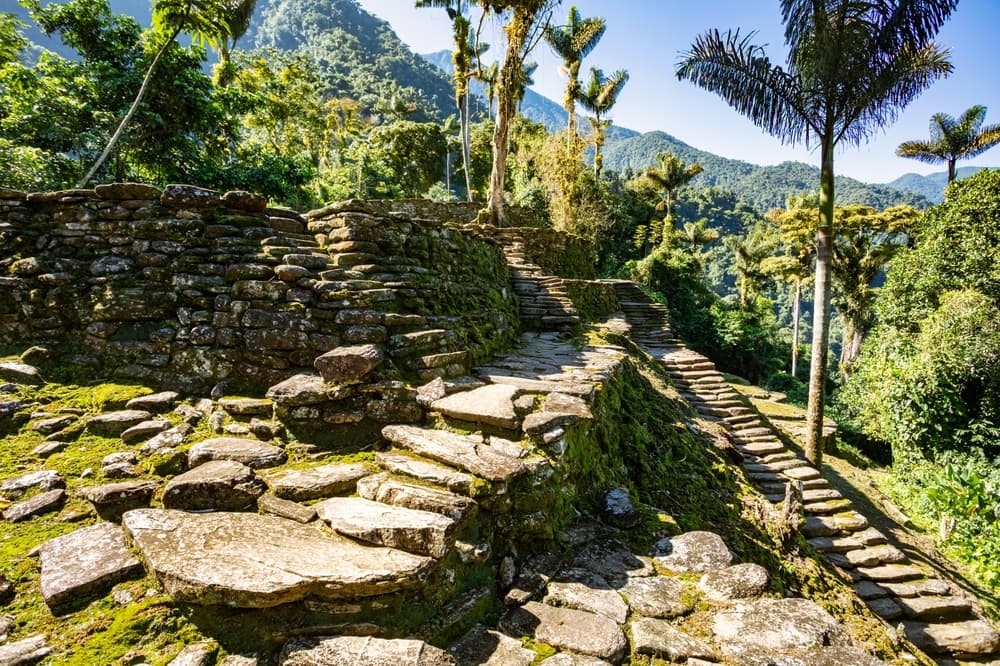
This multi-day journey through dense jungle leads to Teyuna, a Tayrona archaeological site founded around the 8th century. The ascent of roughly 1,200 carved stone steps reveals circular terraces and canopy vistas. The trek must be done with an accredited guide; camps are positioned along the route.
Minca and its waterfalls
An hour from Santa Marta, this mountain village is the gateway to the Pozo Azul and Marinka waterfalls. Local farms produce coffee and cacao; some offer tours. The atmosphere is peaceful, far from coastal bustle.
Tayrona National Natural Park
At the edge of the Sierra, the park protects a coastal strip where tropical forest meets the Caribbean Sea. Cabo San Juan and Arrecifes beaches are accessible on foot from park entrances. Swimming is prohibited on certain beaches due to strong currents.
Encounters with indigenous communities
Certain authorized circuits permit visits to Kogui or Arhuaco villages. These encounters are guided and subject to strict respect protocols. Photography of people is generally prohibited without explicit consent.
Etiquette and visiting rules
- In indigenous villages, always ask permission before photographing people or sacred spaces.
- Respect restricted access zones marked by the communities.
- Avoid bringing alcohol or substances into indigenous territories.
- On the Ciudad Perdida trek, strictly follow the accredited guide's instructions.
- In Tayrona Park, do not pick plants or animals; pack out all waste.
Photography tips
Golden morning light is ideal on Ciudad Perdida's terraces before clouds roll in. At Minca, waterfalls are best photographed in the dry season when water flow is steady. In Tayrona Park, the blue hour on beaches offers striking contrasts between dark vegetation and turquoise water. Bring a waterproof bag: humidity and river crossings are frequent.
Location and access
Sierra Nevada de Santa Marta extends across the departments of Magdalena, Cesar, and La Guajira. The city of Santa Marta is the main gateway, served by an international airport. From there, shared vehicles reach Minca, Palomino, or Tayrona Park's entrance. For Ciudad Perdida, Santa Marta agencies organize departures. Accessibility for people with reduced mobility is nearly non-existent on mountain trails.
Nearby places to explore: Tayrona National Natural Park, Lost City (Teyuna), Minca, Palomino.
Surroundings
- Tayrona National Natural Park — secluded beaches and tropical forest bordering the Sierra.
- Lost City (Teyuna) — Tayrona archaeological site deep in the jungle, accessible by trek.
- Minca — mountain village with waterfalls, specialty coffee, and birdwatching.
- Palomino — quiet coastal village at the Sierra's base, departure point for Kogui communities.
- Santa Marta — colonial city and logistics hub for exploring the entire region.
Frequently asked questions
The dry season (December–March and July–August) offers the best trekking conditions. During the rainy season, trails become slippery and rivers can be difficult to cross.
Yes, access to Ciudad Perdida is mandatory through an agency accredited by Colombian authorities and indigenous communities. Independent travel is not permitted.
Yes, both sites are close to Santa Marta. One week allows you to trek to Ciudad Perdida and spend two to three days in Tayrona Park.
Photography of indigenous people is generally prohibited or requires explicit consent. Always respect your guide's and community members' guidance.
The trek is demanding: several days of walking on rugged terrain, river crossings, and high humidity. Good physical fitness is necessary; no technical climbing skills are required.
Yes, Minca is less than an hour from Santa Marta. One day is enough for nearby waterfalls; an overnight stay allows exploration of local farms and birdwatching trails.
Want to discover this destination?
Our local advisors design your tailor-made trip.