Salsa Classes in Cartagena
Salsa Classes in Cartagena
In Cartagena, salsa blends with Caribbean rhythms—cumbia and champeta. Dance schools in the old town and Getsemaní welcome both beginners and experienced dancers in an authentic atmosphere.
Cartagena is one of Colombia's cities where salsa and Caribbean rhythms—cumbia, champeta, porro—are woven into daily life. Taking a class here means stepping into a living social practice, far from sterile studios. Dance schools cluster in the old town and the Getsemaní neighborhood, welcoming complete beginners and dancers looking to refine their technique on coastal rhythms.
What to Expect
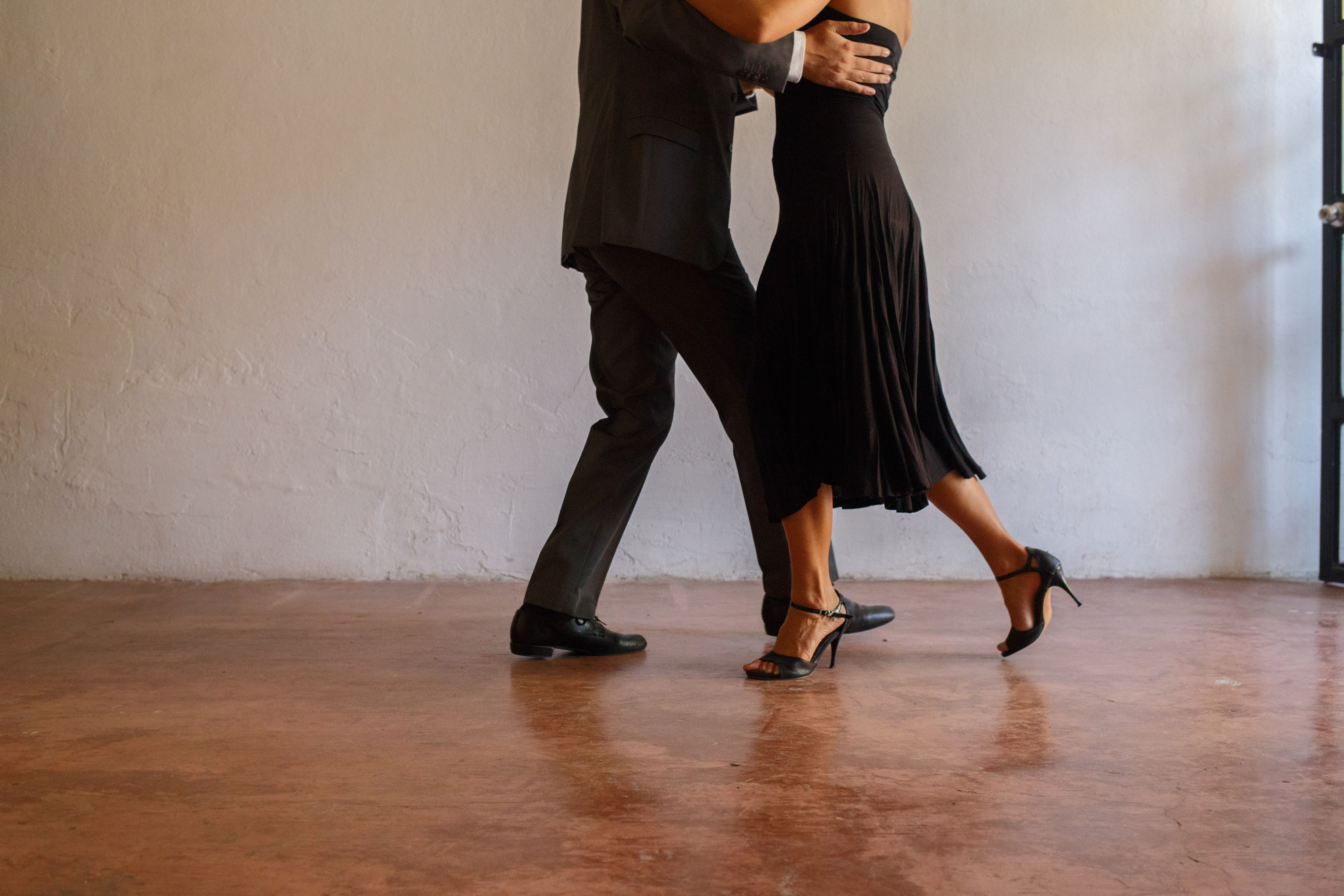
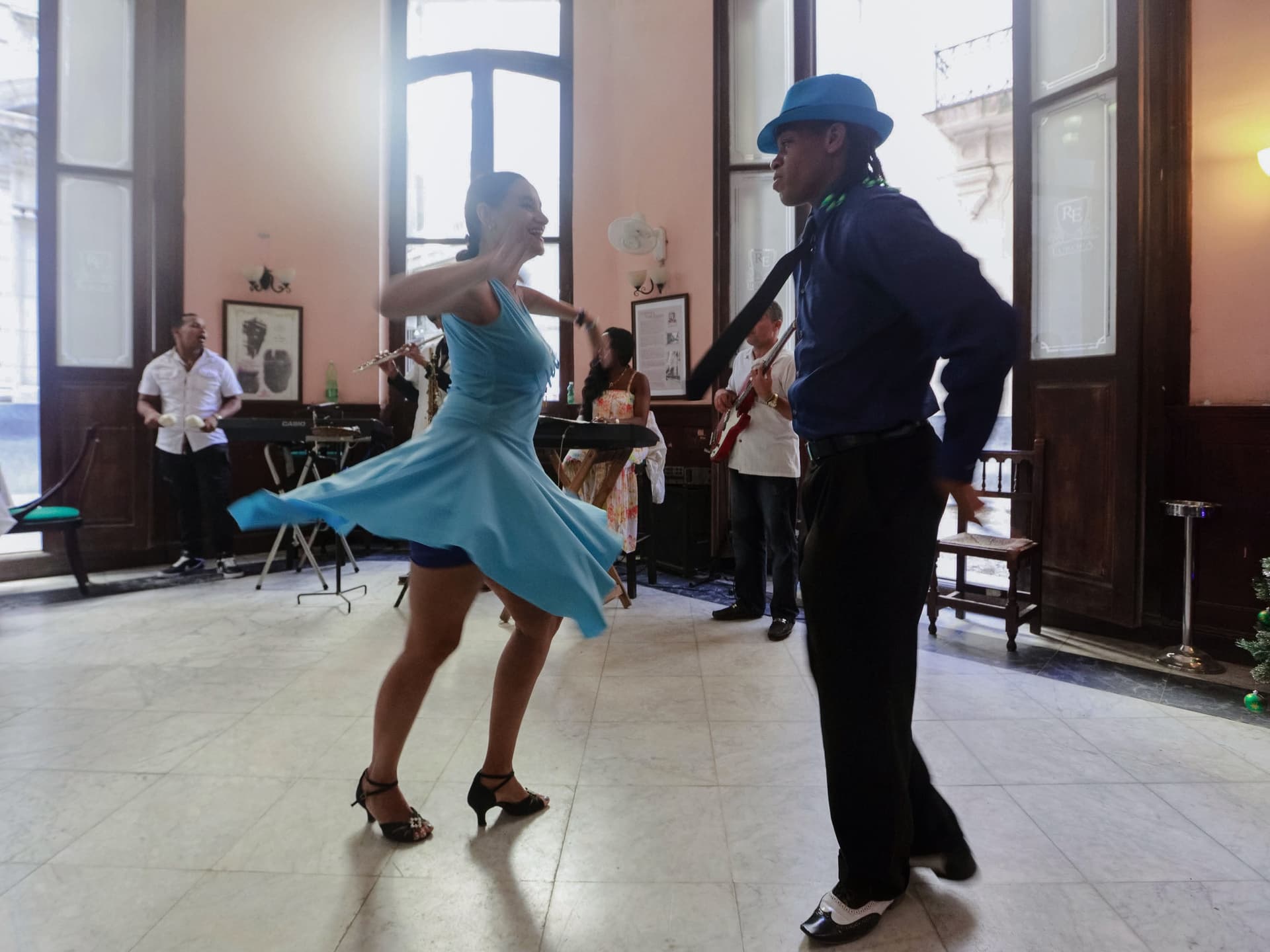
A typical class runs between one and two hours. The instructor begins with basic steps of Colombian salsa—Cali-style or Caribbean-style depending on the school—then introduces partner figures. Some schools also incorporate cumbia or mapalé, Afro-Colombian dances deeply rooted in the Caribbean coast. Groups are often small, allowing for personalized attention.
History and Context
Salsa arrived in Colombia from Cuba and Puerto Rico in the 1960s and 1970s, but quickly fused with local rhythms. In Cartagena, cumbia—born from a blend of African, indigenous, and Spanish cultures—remains the defining dance of the Caribbean coast. Salsa classes offered in the city often reflect this dual influence: salsa technique with Caribbean sensibility.
Highlights of the Experience
The Class Itself
Local instructors teach through oral and physical pedagogy: little theory, plenty of repetition set to music. The atmosphere is relaxed. Evening classes, often followed by a night out in a Getsemaní bar, naturally extend the experience.
Getsemaní, the Dance Neighborhood
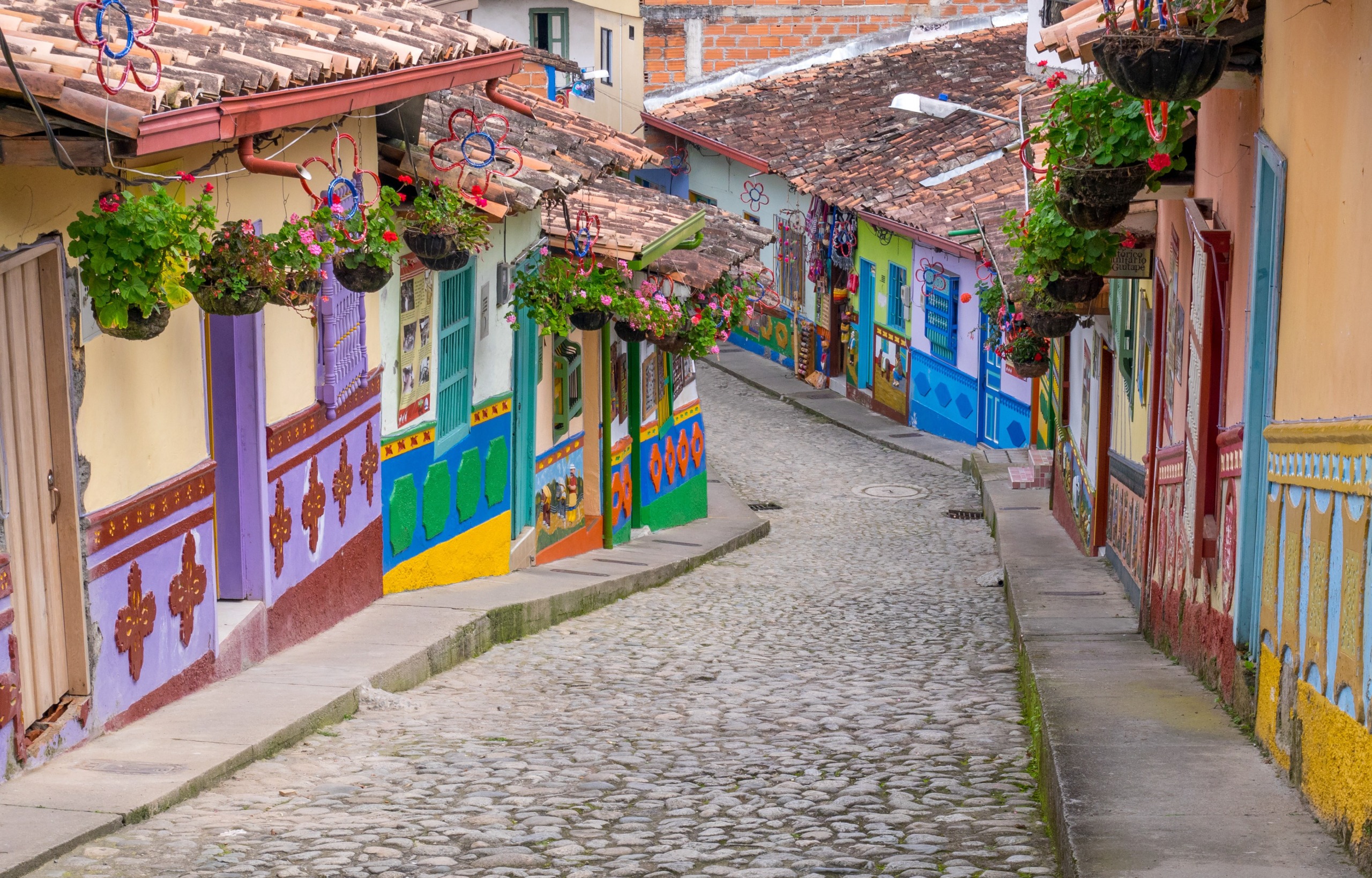
This working-class district adjacent to the old town is the heart of Cartagena's nightlife and cultural scene. Its plazas and bars pulse with music continuously. Attending a dance evening after class anchors your learning in a real context.
Festivals
The Festival Internacional de Música del Caribe and other occasional events transform the city into a giant stage. If your stay coincides with one of these, your classes take on added dimension.
Photography Tips
Indoor classes are often dimly lit—favor a wide aperture and high ISO sensitivity. For open-air evenings in Getsemaní, lamplight and neon signs create warm atmospheres. Always ask dancers' permission before photographing.
Location and Access
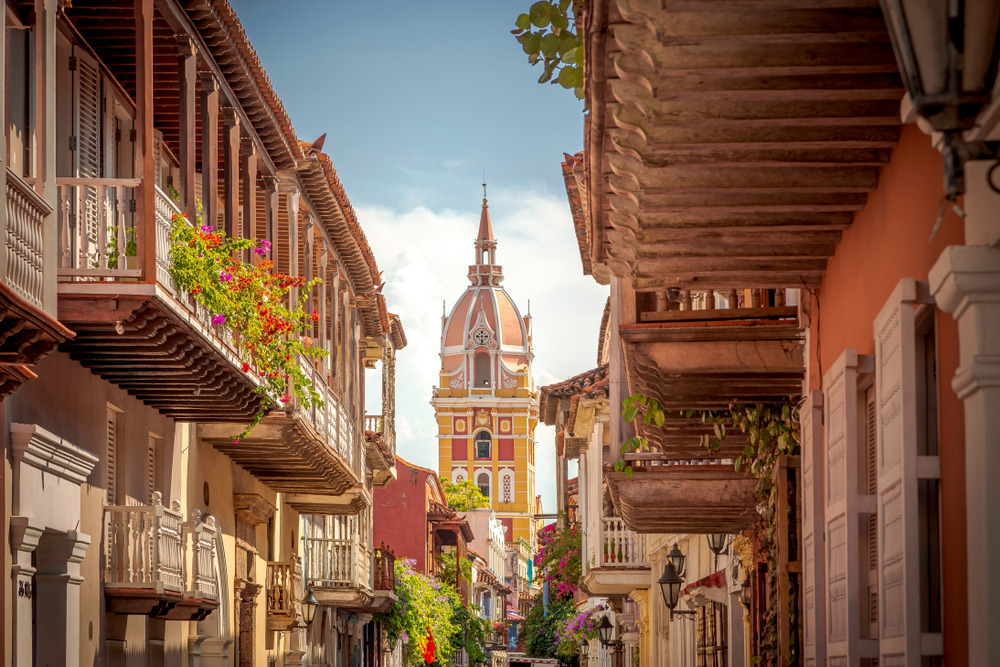
Dance schools are mainly located in the Centro Histórico (UNESCO-listed old town) and Getsemaní, just minutes on foot. Both neighborhoods are walkable from most central hotels. Getsemaní sits directly adjacent to the ramparts, near Puerta del Reloj.
Classes are often booked directly on-site or through local agencies in the old town. Your Nomadays team can integrate a class into your itinerary upon request.
Nearby Attractions
- Cartagena's Old Town — UNESCO-listed historic center, worth exploring before or after class.
- Getsemaní — vibrant working-class neighborhood with street murals and lively nightlife, ideal for extending your evening.
- Cartagena's Ramparts — stroll along colonial fortifications, steps away from dance schools.
- Castillo San Felipe de Barajas — 17th-century Spanish fortress, visible from several vantage points in the city.
Frequently asked questions
No. Beginner classes start from scratch: basic steps, rhythm sense, posture. A single session is enough to leave with the fundamentals.
Light, comfortable clothing. Shoes with smooth soles make pivots easier; avoid flip-flops or strappy sandals.
Yes, it's actually recommended. Getsemaní offers lively bars and plazas where you can practice immediately after class in an informal setting.
Classes run year-round. Peak tourist season (December-January, July-August) sees more offerings and international groups. In low season, groups tend to be smaller.
Depending on the school, the curriculum may include cumbia, champeta, or mapalé. Let the school know your interests when booking to choose the right class.
Give it a go!
Our local experts arrange this activity for you.