Salsa Classes in Cali
Salsa Classes in Cali
In Cali, salsa isn't a tourist spectacle—it's a daily practice rooted in local neighborhoods. Academy classes, nights out at salsotecas, the caleño style with its rapid footwork—here's how to dive in.
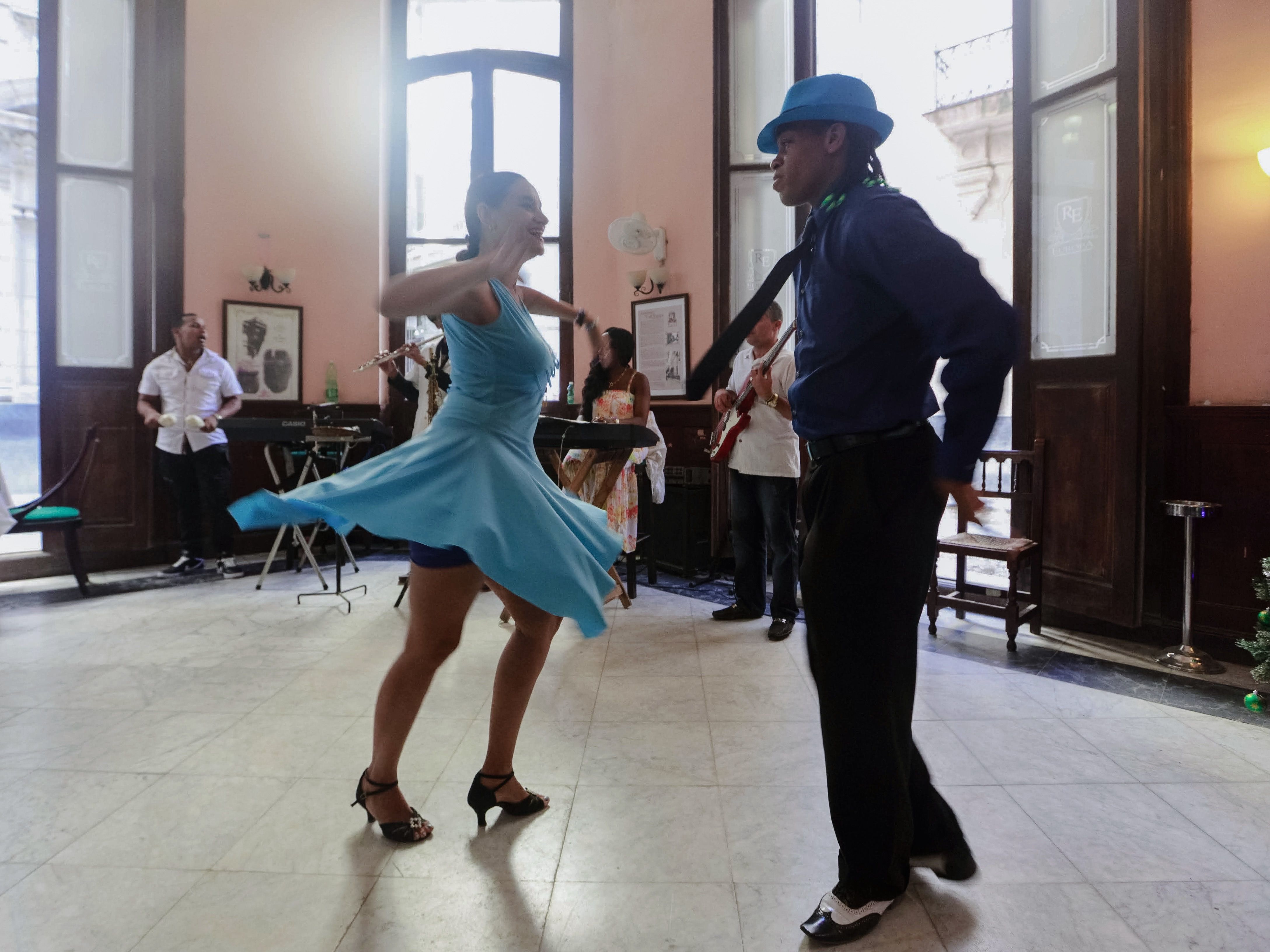
Cali is the world capital of salsa—a title its residents wear with pride. Here, caleña salsa is danced differently: quick feet, low hips, a style rooted in working-class neighborhoods like Juanchito and El Calvario. Taking a class in this city means entering a living social practice, passed down through generations in salsotecas and neighborhood academies.
Quick Facts at a Glance
- Required level: none—beginner classes are standard and accessible to all
- Recommended duration: a session typically runs 1 to 1.5 hours
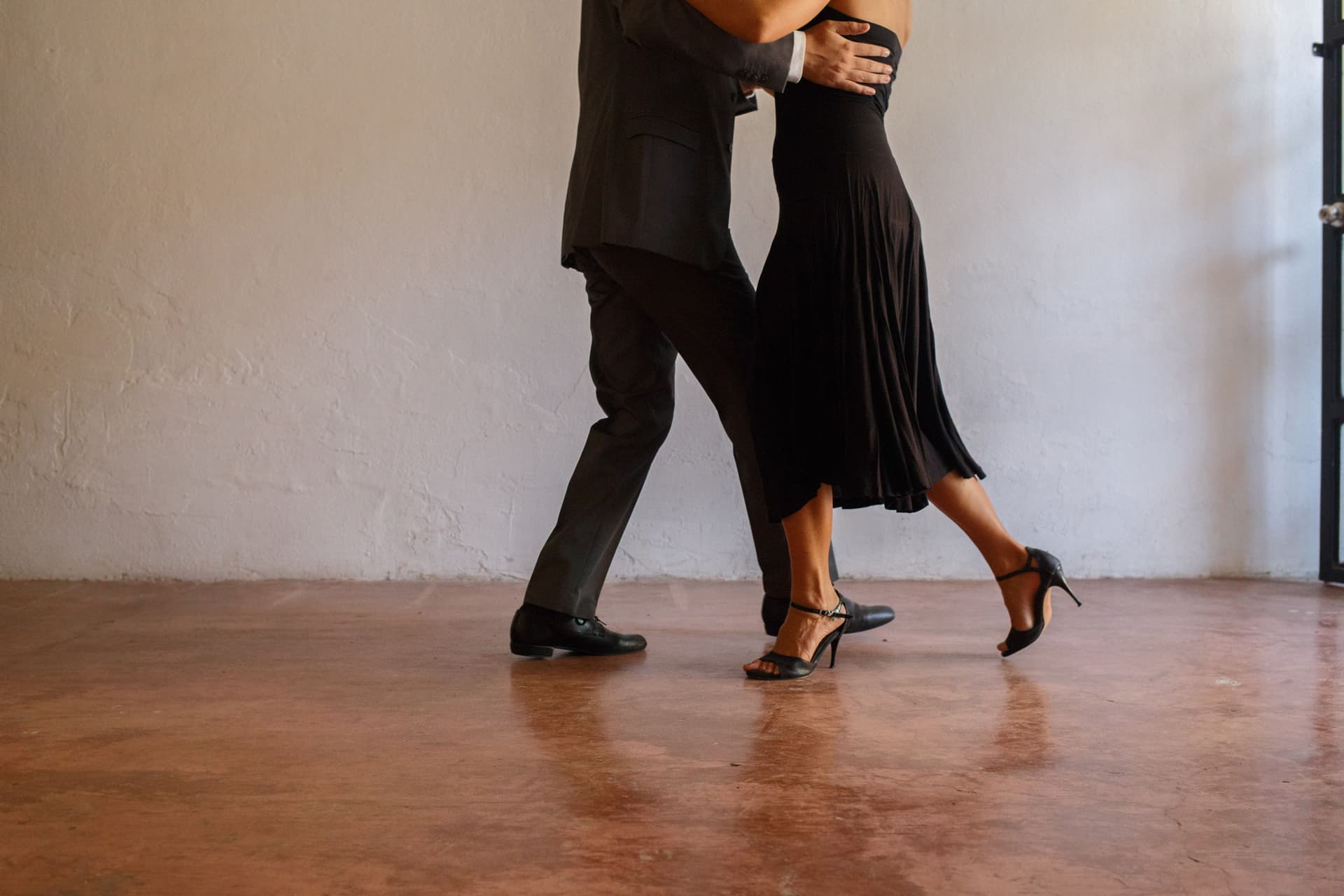
- What to wear: comfortable clothing, smooth-soled shoes or dance shoes recommended
- Language: most academies teach in Spanish; some offer English-language classes for tourists
- Booking: recommended for reputable academies, especially during peak season (World Salsa Festival in September-October)
What You'll Experience
A caleña salsa class is first and foremost about precise, rapid footwork—very different from Cuban or Puerto Rican salsa. Instructors break down the pasos básicos, turns, and mirror figures step by step. At the best academies, professional dancers—sometimes national competition champions—lead the classes. Some courses end with a demonstration of shines (solo figures) or an introduction to choke, the ultra-fast style unique to Cali.
History and Context
Salsa arrived in Cali in the 1950s and 1960s through Cuban and Puerto Rican records, quickly adopted and transformed by Afro-Colombian neighborhoods of the Pacific coast. The caleño style stands out for its elevated tempo and short steps. Today, the Festival Mundial de Salsa de Cali, founded in 1983, attracts competitors from around the world each year-end and has solidified the city's international reputation.
Highlights of Your Visit
Neighborhood Academies
Schools like Swing Latino, Son de Luz, and Escuela de Salsa de Cali welcome tourists and locals in open-air studios. The atmosphere is relaxed, the music is loud, and instructors are used to complete beginners.
The Salsotecas of Juanchito
The Juanchito neighborhood, on the banks of the Cauca River, is the birthplace of salsotecas—clubs where salsa is danced until dawn. Some academies organize guided nights out to see locals dancing after class.
The World Salsa Festival
In September-October, the entire city becomes a stage. Intensive classes, free showcases, and competitions open to the public let you progress rapidly and immerse yourself in professional competition.
Photography Tips
Always ask permission before photographing dancers, especially in private academies. Evening classes lit by colorful neon signs create dynamic images. To capture the fast footwork—the signature of caleño style—use a fast shutter speed or burst mode.
Location and Access
Salsa academies are concentrated in the neighborhoods of El Centro, San Antonio, and Granada, easily accessible by taxi or MIO (Cali's rapid transit bus). Juanchito is located east of the city, best reached by taxi in the evening. The San Antonio neighborhood, with its cobblestone streets and cafes, is a great base to combine culture and dance classes.
Nearby Attractions
- San Antonio Neighborhood — lively colonial district, ideal for dinner before or after class.
- Museo La Tertulia — Cali's modern art museum, minutes from downtown.
- Cerro de las Tres Cruces — iconic hill with panoramic views of the city.
- Iglesia La Merced — one of Cali's oldest churches, in the heart of the historic center.
Frequently asked questions
No. Academies regularly offer beginner classes. Instructors are used to tourists with no dance experience.
Classes run year-round. The World Salsa Festival (September-October) offers exceptional immersion, but the city is busier and academies are more crowded.
Shoes with smooth soles allow you to glide easily. Avoid thick rubber soles that block rotations. Dance shoes are ideal.
Yes, and it's highly recommended. Several academies organize guided nights out to Juanchito or downtown clubs after evening classes.
Yes. The caleño style is marked by short, rapid steps, intense footwork, and a lower posture than Cuban or New York salsa. It's a style unto itself.
Most classes are in Spanish. Some academies frequented by tourists offer English-language instruction; ask at booking.
Give it a go!
Our local experts arrange this activity for you.