La Candelaria
La Candelaria
Historic center of Bogotá founded in 1538, La Candelaria concentrates major museums, colonial squares and buildings of Colombian political power.
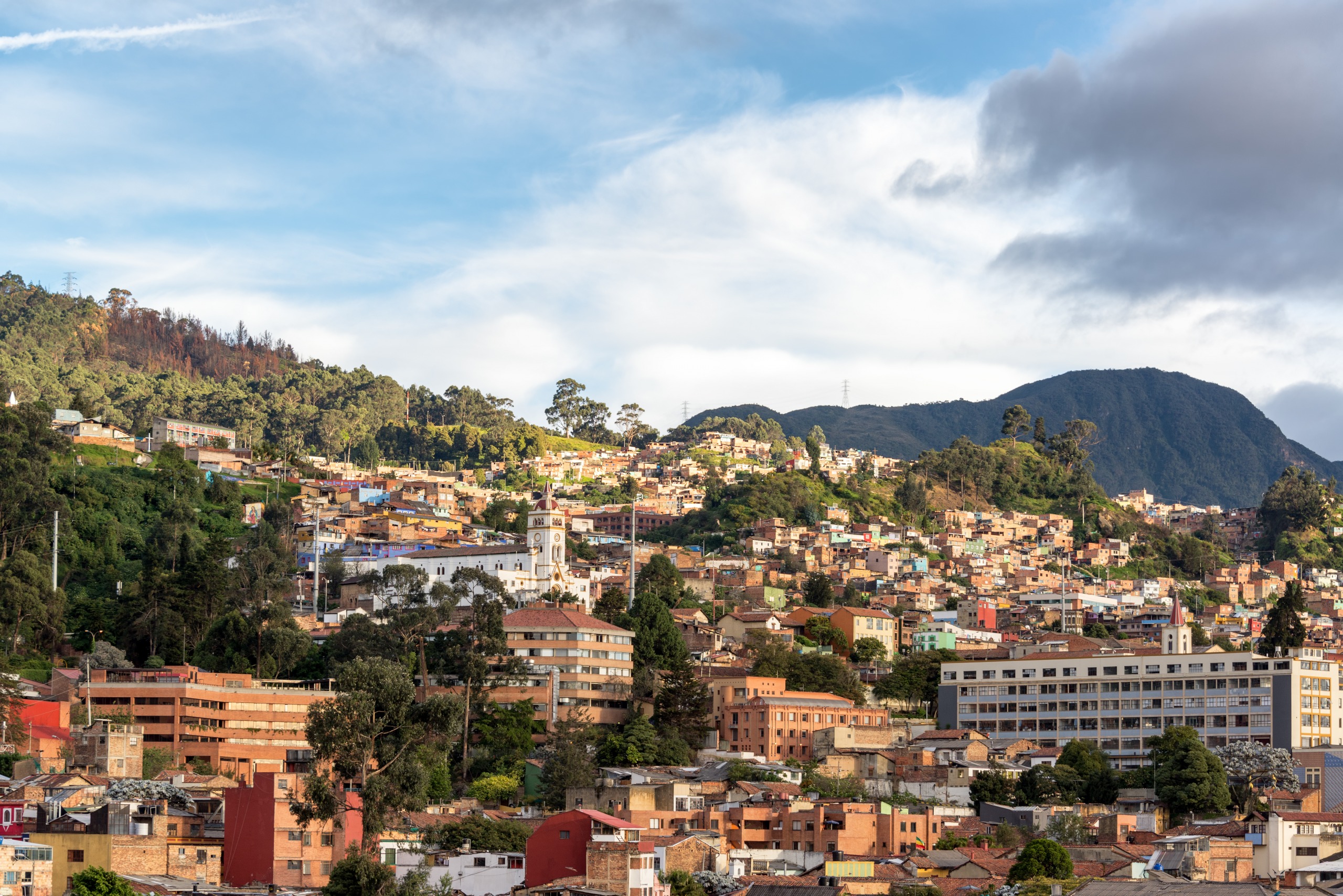
La Candelaria is the historic center of Bogotá, located in the eastern part of Colombia's capital. The neighborhood concentrates the city's founding structures, the main political institutions and a large portion of the national museums, all within an urban fabric of cobblestone streets and colonial houses with tiled roofs.
Why visit La Candelaria
La Candelaria condenses nearly five centuries of Colombian history within a few city blocks. This is where Bogotá was founded in 1538, where the Plaza de Bolívar and its seats of power stand, and where you visit the country's most important museums: Museo del Oro, Museo Botero, Museo de la Independencia. The neighborhood allows you to understand, in a single day on foot, the trajectory from Spanish conquest to independence in 1810, and then to contemporary Colombia.
- Founding center of Bogotá, designated national historical heritage.
- Unique concentration of museums (pre-Columbian gold, art, currency, independence).
- Well-preserved Spanish colonial architecture, painted façades and interior courtyards.
- Pedestrian neighborhood on many streets, conducive to walking.
History of the neighborhood
Bogotá is officially founded on August 6, 1538 by conquistador Gonzalo Jiménez de Quesada. Tradition places the formal possession in the name of Charles V at the Plaza del Chorro de Quevedo, where the first buildings are then erected: twelve straw houses and a church. By 1539, a refoundation shifts the center to the current Plaza de Bolívar, which becomes the administrative and religious pivot of the colonial city.
The neighborhood spans three centuries of Spanish rule before becoming one of the theaters of Colombia's independence, proclaimed on July 20, 1810. The Casa del 20 de Julio, where the episode of the broken vase that sparked the uprising takes place, and the Colegio Mayor de San Bartolomé are direct witnesses to this period. Over the nineteenth and twentieth centuries, churches, administrative palaces and museums complete the current landscape.
What to see in La Candelaria
Plaza de Bolívar and official buildings
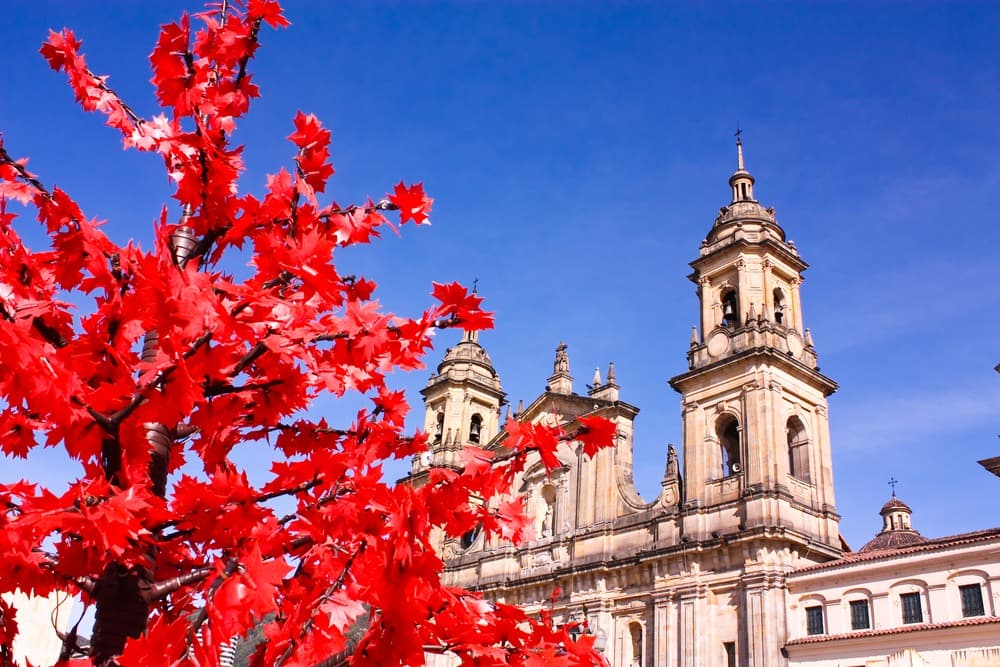
The square is dominated by the statue of Simón Bolívar, liberator of Colombia. Surrounding it rise the Capitolio Nacional (Congress), the Palacio de Justicia (Supreme Court), the Catedral Primada de Bogotá and the Palacio Liévano which houses the city hall. It is also the traditional site of major public gatherings.
Museums
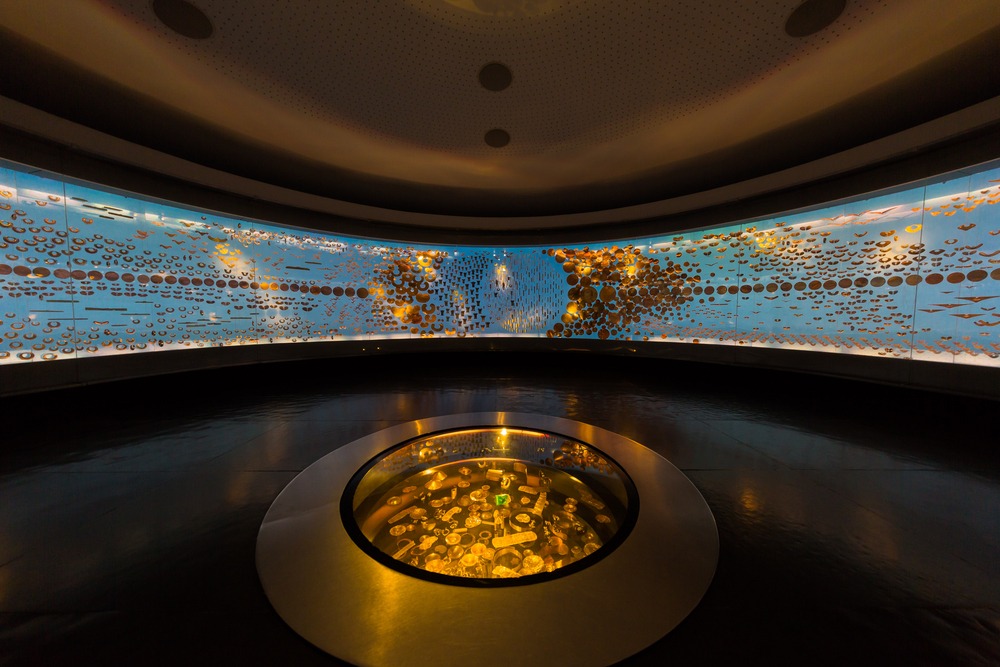
- Museo del Oro: collection of sacred gold work from the Muisca people and other pre-Columbian cultures, one of the most important in the world.
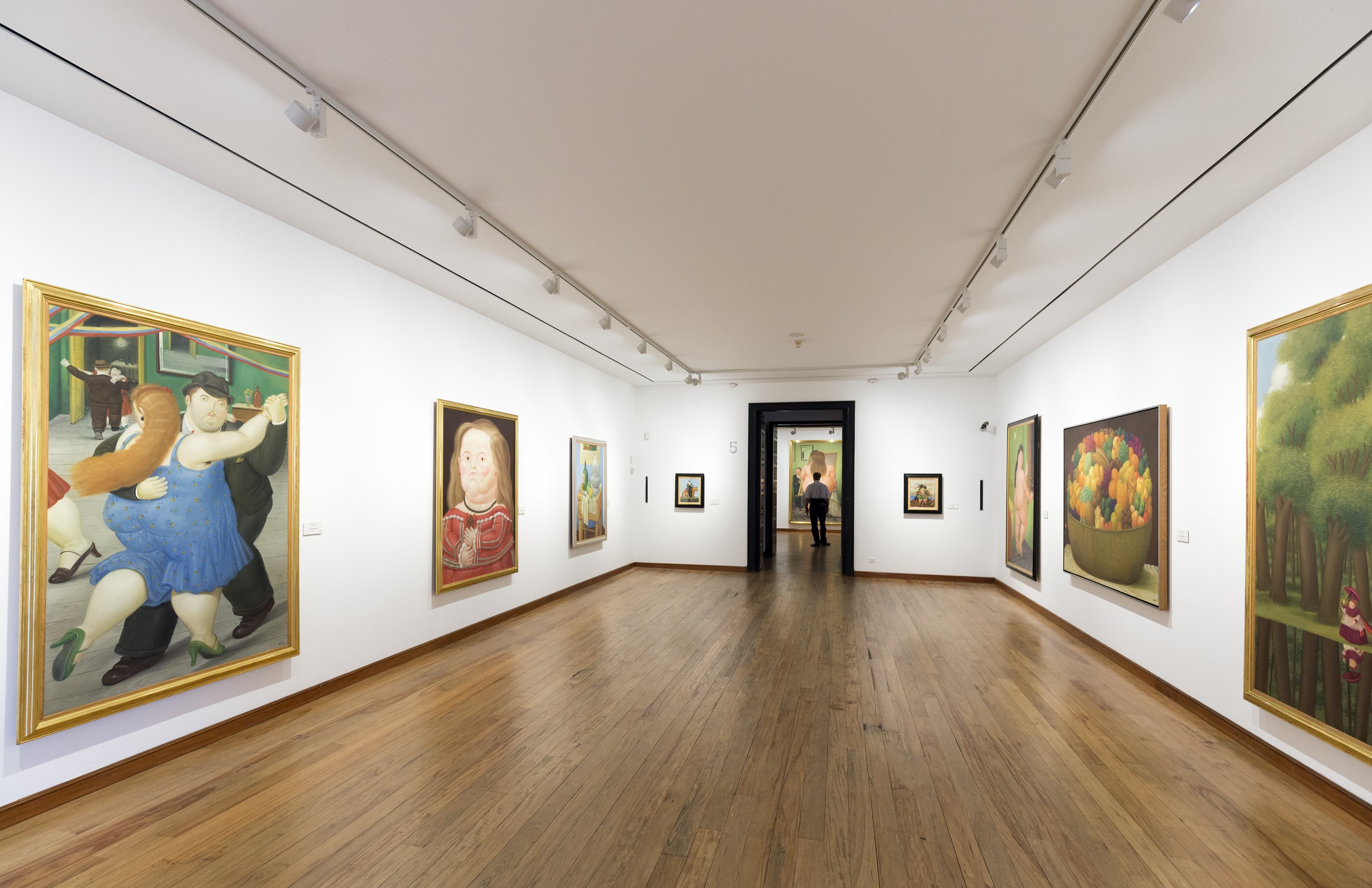
- Museo Botero: original paintings and sculptures by Fernando Botero, as well as works from his personal collection (Picasso, Monet, Dalí).
- Casa de Moneda: monetary history of Colombia, from the colonial era onward.
- Museo de Arte del Banco de la República: modern and contemporary Colombian art.
- Museo Militar: weapons, uniforms, scale models and cannons tracing the history of the Colombian army.
- Museo de la Independencia (Casa del Florero): copy of the independence proclamation and objects related to July 20, 1810.
- Museo Quinta de Bolívar: colonial house that belonged to Simón Bolívar, furnished with period pieces.
- Casa de Rafael Pombo: museum dedicated to the Colombian poet.
Religious and cultural buildings
The Church of La Candelaria, built in the seventeenth century, exemplifies Spanish religious architecture from the colonial period; the frescoes on its vault deserve careful attention. The Teatro de Cristóbal Colón, a lyric theater inaugurated in the late nineteenth century, remains the country's principal opera house. The Luis Ángel Arango Library, with its 44,000 square meters, is Colombia's most important cultural complex: exhibition halls, auditorium and major documentary holdings.
Squares and statues
Beyond the Plaza de Bolívar and Chorro de Quevedo, the Plazoleta del Rosario houses the statue of Gonzalo Jiménez de Quesada, founder of the city. The nearby alleyways, notably Carrera 2, preserve a line of colonial houses with the colorful façades characteristic of the neighborhood.
Practical information
- Duration of visit: allow a half-day for a quick tour, a full day if you enter several museums.
- Museum hours: most open Tuesday through Sunday, closed Monday. Check on the day as hours vary by institution.
- Admission: free or very modest entry to Banco de la República museums (Museo del Oro, Museo Botero, Casa de Moneda); reduced or free admission on Sundays at several sites.
- Safety: the tourist core is generally safe during the day. Remain vigilant after nightfall and avoid isolated alleys at the neighborhood's edges.
- Altitude: Bogotá sits at 2,600 meters. Plan a relaxed pace for your first few days.
How to get there
By bus
The urban network serves the historic center well. Line 14-5 allows you to reach stops at Museo del Oro and Las Aguas, the latter being convenient for accessing the Museo Quinta de Bolívar. A ticket costs a few thousand Colombian pesos.
By TransMilenio
The Las Aguas and Museo del Oro stations, on the TransMilenio line that runs along Avenida Jiménez, are the natural gateways to the neighborhood.
By taxi or ride-sharing
Taxi remains the simplest means from the airport or northern neighborhoods. Favor booking apps. Note that several streets in the historic center are pedestrian or have restricted traffic; your driver will drop you at the edge.
Nearby
From La Candelaria, several attractions are accessible within minutes:
- Barrio Egipto, a former red-light district converted into a community tourism zone, just above the historic center.
- The Convent of the Discalced Carmelites, a testament to colonial religious architecture.
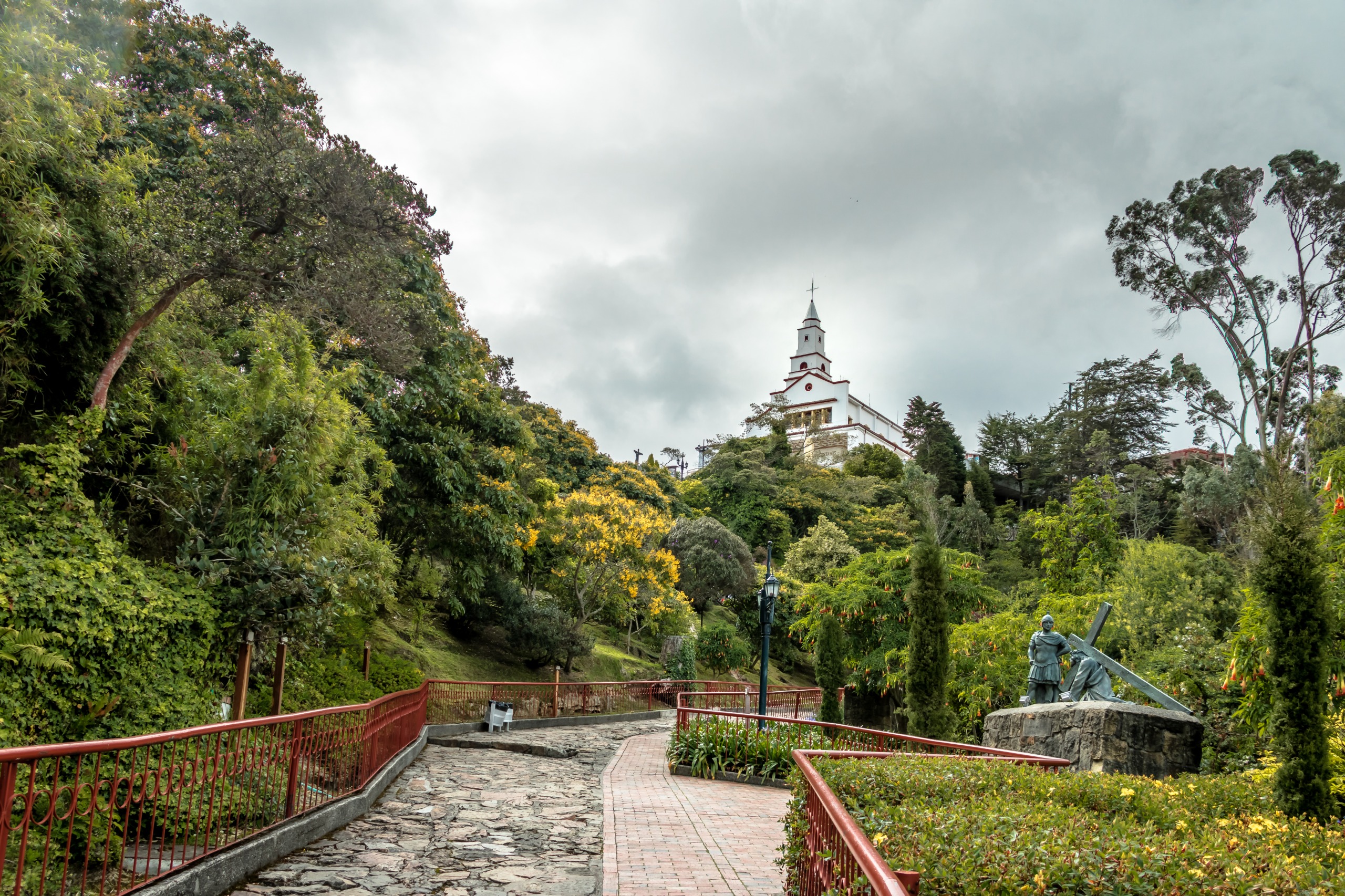
- The Cerro de Monserrate funicular, which offers a complete panorama of Bogotá from 3,152 meters altitude.
- Communa 13 in Medellín, to extend a comparative study of Colombian urban centers.
Frequently asked questions
Frequently asked questions
A half-day is sufficient to explore the main squares and façades. Allow a full day if you wish to enter two or three museums, notably the Museo del Oro and Museo Botero.
The tourist core around the Plaza de Bolívar and museums is busy and generally safe during the day. Caution is still warranted in the evening and in streets away from the main tourist routes.
The Museo del Oro to understand pre-Columbian civilizations, the Museo Botero for modern Colombian art, and the Museo de la Independencia for the history of July 20, 1810. These three sites can be visited on foot within a half-day.
It is not essential, but a local guide provides valuable insight into the independence episodes and the iconography of official buildings. Free walking tours depart daily from the Plaza del Chorro de Quevedo.
Bogotá can be visited year-round, with a cool and stable climate around 14-19 °C. The driest seasons, December to March and July to August, are most comfortable for outdoor walking.
Include La Candelaria in your trip
La Candelaria is an essential stop on any visit to Bogotá and naturally integrates into an itinerary for discovering the Andes of Colombia. To build a custom trip incorporating the historic center, the capital's museums and other regions of the country, consult our journeys in Colombia.
Nearby

Interested in this visit?
We can include it in your personalised itinerary.