Indigenous Community of San Pedro de los Lagos
Just kilometers from Leticia, the Tikuna community of San Pedro de los Lagos welcomes visitors for an authentic immersion: vegetable fiber crafts, medicinal plants and canoe rides on Amazonian lagoons.
Just kilometers from Leticia, Colombia's Amazonian capital, the village of San Pedro de los Lagos is home to an indigenous community—predominantly Tikuna—that preserves ancestral knowledge along the riverbank. A visit offers direct contact with ways of life shaped by the forest: craftsmanship, plant medicine, traditional fishing and oral transmission. It's a genuine immersion, far removed from tourist reconstructions.
What you'll see
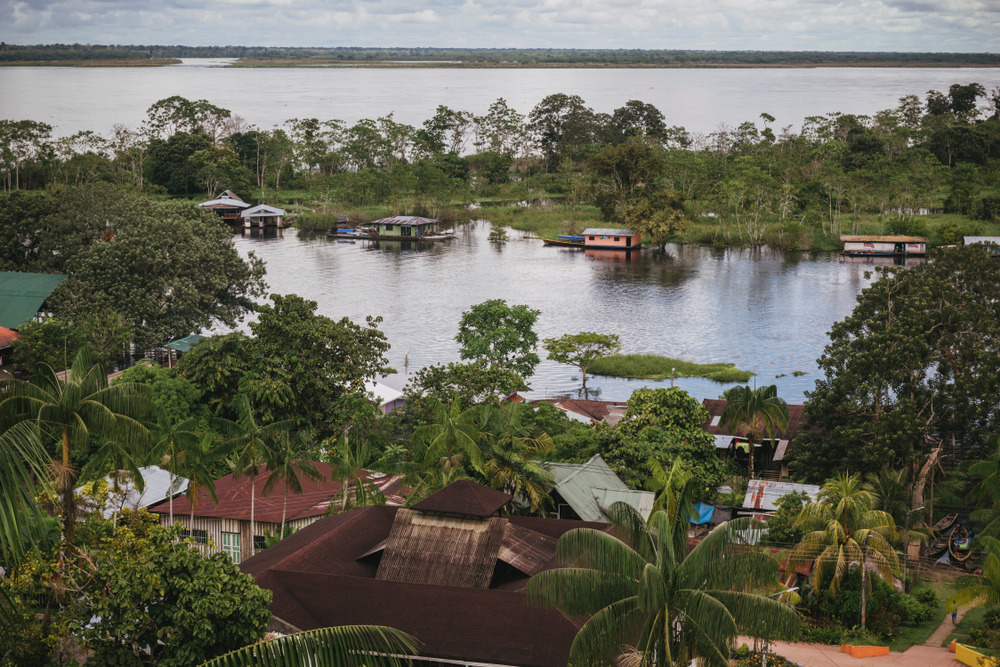
The village is organized around stilt houses and open community spaces. Artisans—often women—craft objects from vegetable fibers, ceremonial masks and seed jewelry. Local guides explain the uses of medicinal plants from the surrounding forest. Depending on the season, you may observe traditional net or line fishing on the adjacent lagoons.
History and context
The Tikuna are the largest indigenous people of Colombian Amazonia. Their traditional territory extends across the Amazonian trapeze region, spanning Colombie, Peru and Brazil. Despite centuries of contact with colonial and national societies, they have maintained their own language—Tikuna—and rituals such as the Pelazón festival, a female rite of passage inscribed on UNESCO's intangible cultural heritage list.
Highlights of the visit
Craftsmanship in action
Watching artisans create objects from tree bark (llanchama) or chambira fibers is one of the most tangible moments of the visit. They explain the steps and materials, all sourced from the nearby forest.
The canoe ride
A canoe trip on the lagoons lets you see floating vegetation, the giant Victoria amazonica water lilies and, depending on season, aquatic birds. It's also an opportunity to understand the community's daily relationship with water.
Medicinal plants
A community member—sometimes a shaman or healer—presents the plants used to treat fevers, bites or aches. This botanical knowledge, passed down orally, lies at the heart of Tikuna identity.
Etiquette and visit rules
- Always ask permission before photographing a person, particularly children and elders.
- Avoid entering private or ceremonial spaces without explicit invitation.
- Buy crafts directly from the artisans: it's the main source of tourism-related income.
- Wear clothing covering shoulders and knees out of respect, even though no strict rule is enforced.
- Do not collect plants, seeds or natural objects without permission.
Photography tips
Light is best early in the morning, before mist rises over the lagoons. Scenes of artisanal work, filmed in natural light beneath palm-thatched roofs, yield very clear images. Avoid flash indoors. Always request permission before photographing people.
Location and access
San Pedro de los Lagos is in the Leticia area, accessible by boat from the city's river port. Travel time varies depending on river level and vessel type. Most local Leticia agencies offer this visit as a day excursion, often combined with other communities or a forest outing. It is strongly advised to book through a local agency to ensure the visit is organized with the community's consent and direct benefit.
Nearby attractions
- Leticia — border city and starting point for all Colombian Amazon excursions.
- Amacayacu National Natural Park — protected forest reserve with exceptional biodiversity, accessible by boat from Leticia.
- Puerto Nariño — car-free village on the Amazon, a model of community tourism, a few hours from Leticia.
Frequently asked questions
Yes. The visit must be arranged through a local Leticia agency or accredited guide, who coordinates beforehand with the community. Arriving without prior agreement is not recommended.
The dry season (June to November) makes boat access and forest walks easier. During the rainy season, lagoons are higher and some trails flooded, but vegetation is denser and birds more abundant.
Only with their explicit consent. Always ask before shooting, especially for children and ceremonies. Some members may refuse to be photographed: respect this choice without insisting.
Yes, provided children are supervised and made aware of local respect rules. The canoe ride and craftsmanship are usually much appreciated by young visitors.
Choose an agency that returns a share of revenues directly to the community and works with local guides from the village. Buy crafts on-site, directly from the artisans.
Give it a go!
Our local experts arrange this activity for you.