Creole Cooking Classes in Cartagena
In Cartagena, creole cooking workshops immerse you in Colombian Caribbean flavors: market visits, fish stew, coconut rice, and fried plantains, led by local cooks in colonial settings.
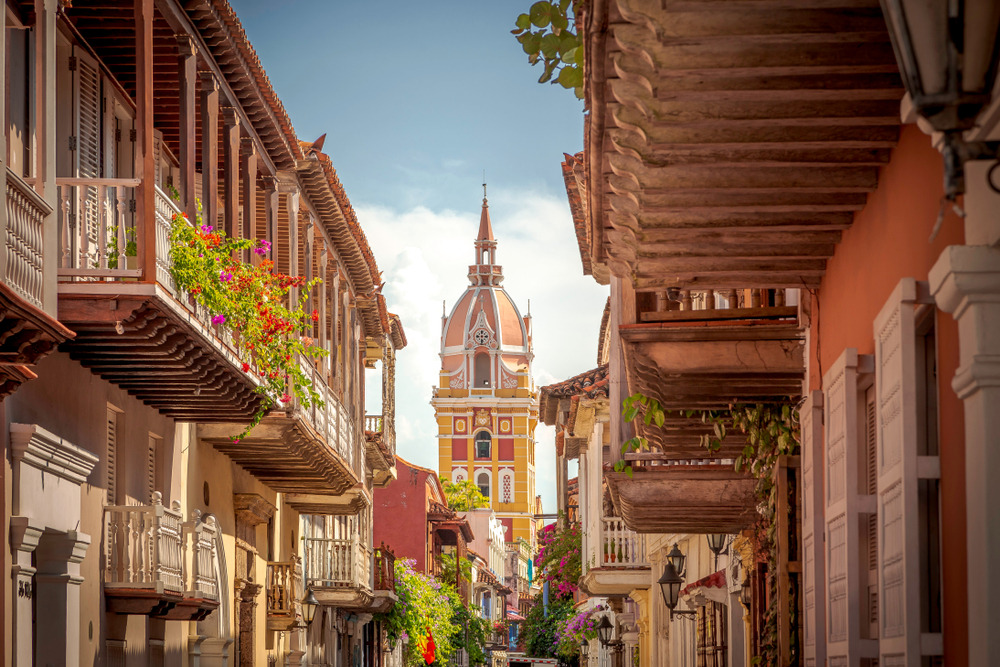
In Cartagena, Caribbean creole cuisine is a living heritage. Workshops led by local cooks—often palenqueras or neighborhood chefs—introduce you to the fundamentals of Colombian coastal gastronomy: corn arepas, fish stew, fried plantains, and corozo-based sauces. These classes typically take place in colonial mansions in the historic center or in open kitchens in the Getsemaní neighborhood.
Quick Essentials
- Recommended duration: 2 to 4 hours depending on the format
- Language: Classes available in Spanish; some workshops offer English-speaking guides or support depending on the provider
- What to wear: Comfortable clothing, closed-toe shoes recommended in the kitchen
- Usually included: Tasting of the meal you prepare, sometimes a local market visit before the class
- Accessibility: Varies by location; check directly with the organizer
What You'll Experience
A cooking class in Cartagena begins with a market immersion: Bazurto Market or stalls in the historic center supply yam, cassava, fresh fish, and tropical fruits. In the kitchen, creole techniques blend African, indigenous, and Spanish influences. You learn to balance the soffritto (tomato-onion sauce), fry plantains to the right texture, and prepare fragrant coconut rice.
History and Context
Cartagena's gastronomy reflects three centuries of cultural blending. African slaves brought through the port transmitted cooking techniques and ingredients—plantains, sesame, beans—that still structure coastal cuisine. Communities in San Basilio de Palenque, the first free village in the Americas, have preserved these culinary traditions. Today, local chefs and associations highlight them through workshops open to visitors.
Highlights of the Experience
The Market Visit
Many classes begin with a market tour. Identifying varieties of yam, selecting fresh fish, negotiating with vendors: this step grounds the class in the daily reality of Cartagena's residents.
Preparing the Fish Stew
Fish stew is the emblematic dish of the Caribbean coast. Long simmering, root vegetables, fresh herbs: its preparation teaches patience and balance in creole flavors.
Coconut Rice
Rice cooked in caramelized coconut milk—the toasted technique—is a distinctive skill of the region. Mastering this rice means understanding the soul of Colombian Caribbean cuisine.
The Final Tasting
The meal you've prepared is enjoyed together, often in a colonial courtyard or on a terrace. It's the moment to chat with your host about family variations and markets to explore on your own.
Photography Tips
Natural light in colonial patios is ideal in the morning. Photograph raw ingredients at the market before class—bright colors, contrasting textures. In the kitchen, steam and the colors of the soffritto offer beautiful atmosphere shots. Always ask your host's permission before photographing people.
Location and Access
Workshops concentrate in two neighborhoods: the Walled City (UNESCO-listed historic center) and Getsemaní, a vibrant cultural working-class neighborhood. Both are within walking distance from most central hotels. Some providers offer a meeting point at Bazurto Market for classes that include a market visit.
Nearby Attractions
- Walled City — The 16th-century colonial ramparts frame the historic quarter where most workshops are held.
- Getsemaní — Creole neighborhood with striking murals, perfect for extending your day after a cooking class.
- Bazurto Market — Cartagena's main popular market, essential for understanding local ingredients.
- San Basilio de Palenque — UNESCO-listed Afro-Colombian village, birthplace of many culinary traditions of the region, about an hour's drive away.
- Castillo San Felipe de Barajas — Major colonial fortress, worth combining with a half-day cooking class.
Frequently asked questions
Not necessarily. Several providers offer classes in English or with a bilingual guide. Check the language offered when booking.
Cartagena is accessible year-round. The dry season (December to April) offers more comfortable conditions, but the markets are lively in every season.
Some formats start with a visit to Bazurto Market or stalls in the historic center. Ask your provider for the exact program details.
Yes. A 2 to 3-hour morning class leaves your afternoon free to explore the ramparts, Getsemaní, or the Castillo San Felipe de Barajas.
Most workshops welcome families. Confirm with the organizer if adaptations are available for younger participants.
Recipes vary by provider, but classics include fish stew, coconut rice, fried plantains, and corn arepas—all rooted in Caribbean creole tradition.
Give it a go!
Our local experts arrange this activity for you.