Historic Quarter of Cartagena of the Indies (Ciudad Amurallada)
Historic Quarter of Cartagena of the Indies (Ciudad Amurallada)
The Ciudad Amurallada of Cartagena of the Indies is South America's best-preserved colonial center. Ramparts facing the Caribbean, lively plazas and the Getsemaní neighborhood make for a walk rich in history and color.
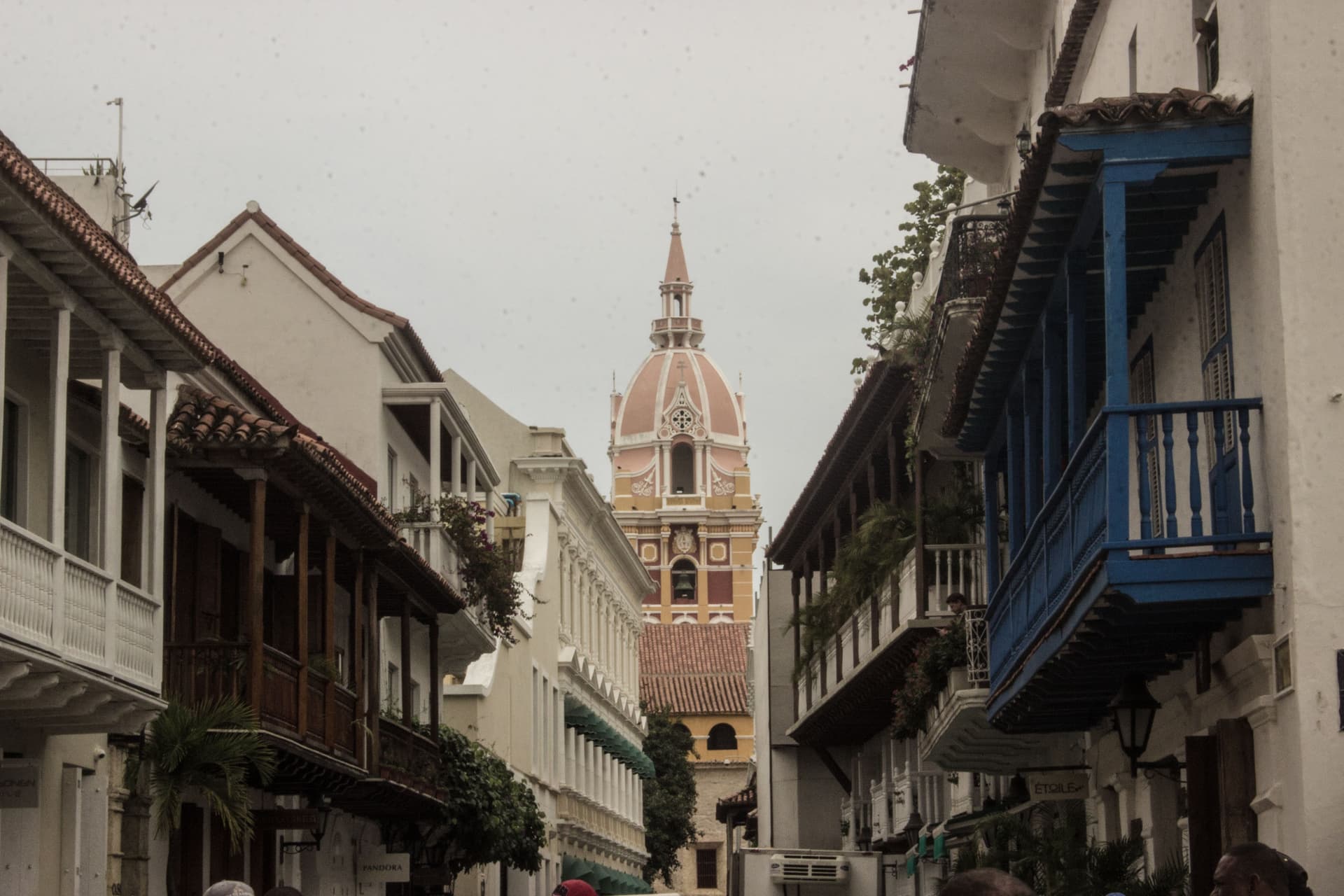
The historic quarter of Cartagena of the Indies — the Ciudad Amurallada — is South America's best-preserved colonial center. Designated a UNESCO World Heritage Site since 1984, it concentrates cobblestone streets, houses with flower-laden balconies and lively plazas within a fortified enclosure dating from the 16th century. Here lies the entire story of the city: Spanish conquest, triangular trade, resistance to pirates and cultural mestizaje.
Practical Information at a Glance
- Access: the Ciudad Amurallada is largely pedestrian; entry is through several gates in the ramparts, of which the Puerta del Reloj is the most iconic.
- Admission: free to walk the streets and ramparts.
- Suggested duration: a half-day minimum for a stroll; a full day to explore museums and plazas.
- Attire: no dress code restrictions for the walk; wear comfortable shoes (cobblestones are uneven).
- Heat: the city is tropical year-round; start early in the morning or late afternoon to avoid peak heat.
What You'll See
The quarter divides into two main zones: El Centro, with its grand colonial mansions, convents and plazas, and Getsemaní, the popular neighborhood known for its murals and local atmosphere. The ramparts (murallas) offer a continuous walkway above the Caribbean Sea.
- The Plaza de Bolívar, civic heart surrounded by palms and institutional buildings.
- The Cathedral of Cartagena, construction of which began in 1575.
- The church of San Pedro Claver and its convent, dedicated to the canonized Jesuit for his work among enslaved Africans.
- The ramparts: several kilometers of continuous fortifications, ideal for watching the sunset.
- The Getsemaní neighborhood and its Plaza de la Trinidad, lively in the evenings.
History and Context
Founded in 1533 by Pedro de Heredia, Cartagena quickly became the principal export port for gold and silver from Spanish colonies. Its strategic position made it a repeated target of pirates and English fleets — Francis Drake sacked it in 1586. The Spanish responded by building one of the New World's most elaborate defensive systems: ramparts, bastions and the fortress of San Felipe de Barajas on the neighboring hill. The city was also a major hub of the transatlantic slave trade, a history borne today by the San Pedro Claver convent.
Highlights of the Visit
The Puerta del Reloj
The former principal gate of the fortified city, this 17th-century clock tower marks the symbolic entrance to the quarter from the Plaza de los Coches. It's the natural starting point for any walk.
The Ramparts at Sunset
The stroll along the murallas facing the Caribbean Sea is particularly striking at day's end. Fruit vendors and musicians naturally settle there at this hour.
The San Pedro Claver Convent
This 17th-century convent houses a museum dedicated to Pedro Claver, the first saint canonized in the New World. The interior courtyard and views of the bay from the upper floors are worth the visit.
Getsemaní and Its Murals
This popular neighborhood adjacent to the ramparts has transformed into an open-air gallery. Its frescoes tell the story of Afro-Colombian history and barrio life with an energy very different from the colonial center.
Photography Tips
- Golden light: the lanes of El Centro are ideal early in the morning (before 8 a.m.) or late afternoon, when raking light brings out the colorful facades.
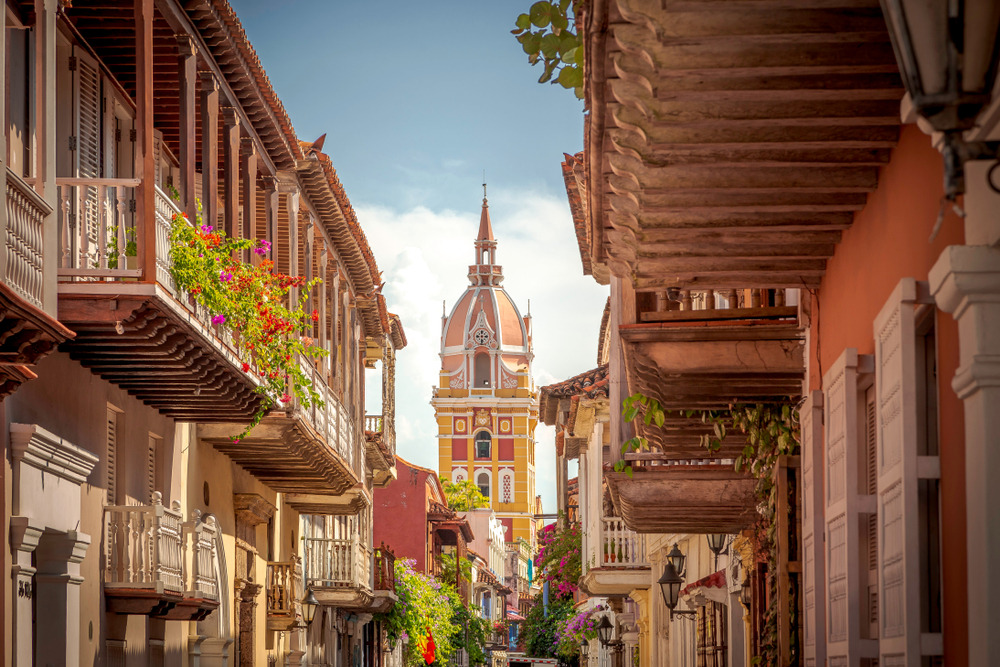
- Flowered balconies: the Calle del Arzobispado and streets around Plaza de Bolívar concentrate the finest wooden balconies laden with bougainvillea.
- Ramparts: to photograph the colonial skyline with the sea in the background, position yourself on the bastions facing the Caribbean in late afternoon.
- Getsemaní: murals are best photographed in the morning, before crowds and with direct light on the facades.
Location and Access
The Ciudad Amurallada lies at the heart of Cartagena, a few minutes by taxi or on foot from the Bocagrande neighborhood and waterfront hotels. International Rafael Núñez Airport is about 15 minutes by taxi. The quarter is largely pedestrian; taxis and horse-drawn carriages (coches) stop at the rampart gates. Accessibility for those with reduced mobility is limited due to cobblestones and narrow sidewalks.
Immediately nearby, the San Felipe de Barajas fortress dominates the city from its hill and is a natural complementary visit.
Nearby Attractions
- San Felipe de Barajas Fortress — the largest Spanish fortification in the Americas, visible from the ramparts.
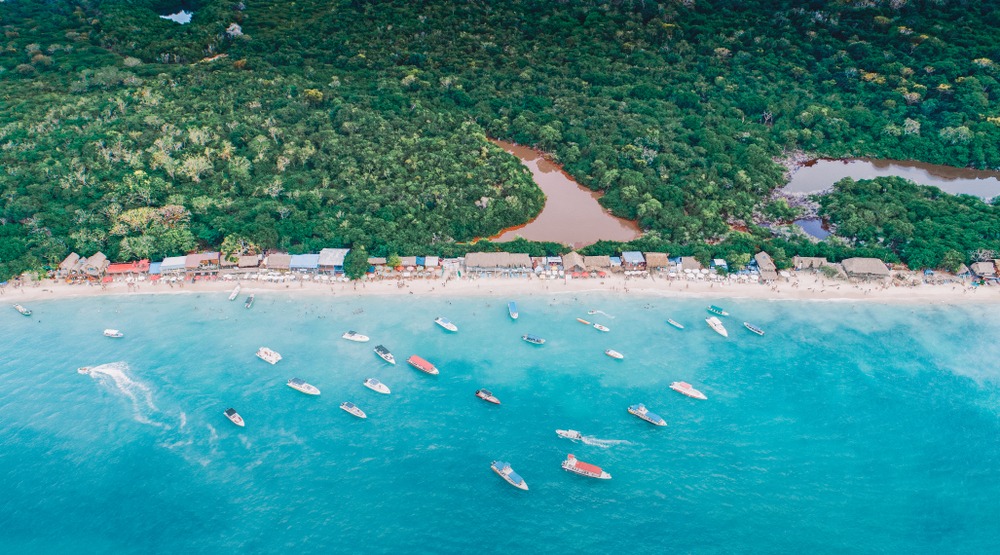
- Rosario Islands — coral archipelago accessible by boat from Cartagena's harbor, ideal for diving and relaxation.
- Bocagrande — modern beach neighborhood a few minutes from the historic center, with urban beaches.
- Totumo Volcano — mud volcano an hour's drive away, a popular half-day excursion from Cartagena.
Frequently asked questions
Cartagena is pleasant year-round. The dry season (December to April) offers less rain and optimal light. The high tourist season coincides with year-end holidays and the Cartagena Carnival in November.
A half-day suffices for a stroll along the ramparts and main plazas. Allow a full day if you wish to visit the San Pedro Claver convent, explore Getsemaní and browse shops and galleries.
Yes, this is the classic combination. The fortress is about 15 minutes on foot from the ramparts. Visit it in the morning to avoid the heat, then return to the historic quarter for the afternoon and sunset over the walls.
Yes, strolling the ramparts and streets of the historic quarter is entirely free. Only certain interior museums and monuments (such as the San Pedro Claver convent) charge admission.
Accessibility is limited: streets are cobbled and sidewalks often narrow or absent. The main plazas (Plaza de Bolívar, Plaza de la Trinidad) are more manageable, but much of the walk remains challenging in a wheelchair.
Local guides offer walking tours from the Puerta del Reloj. Local agencies in the Nomadays network can arrange private tours in English-speaking guides, allowing you to deepen your understanding of the quarter's colonial and Afro-Colombian history.
Give it a go!
Our local experts arrange this activity for you.