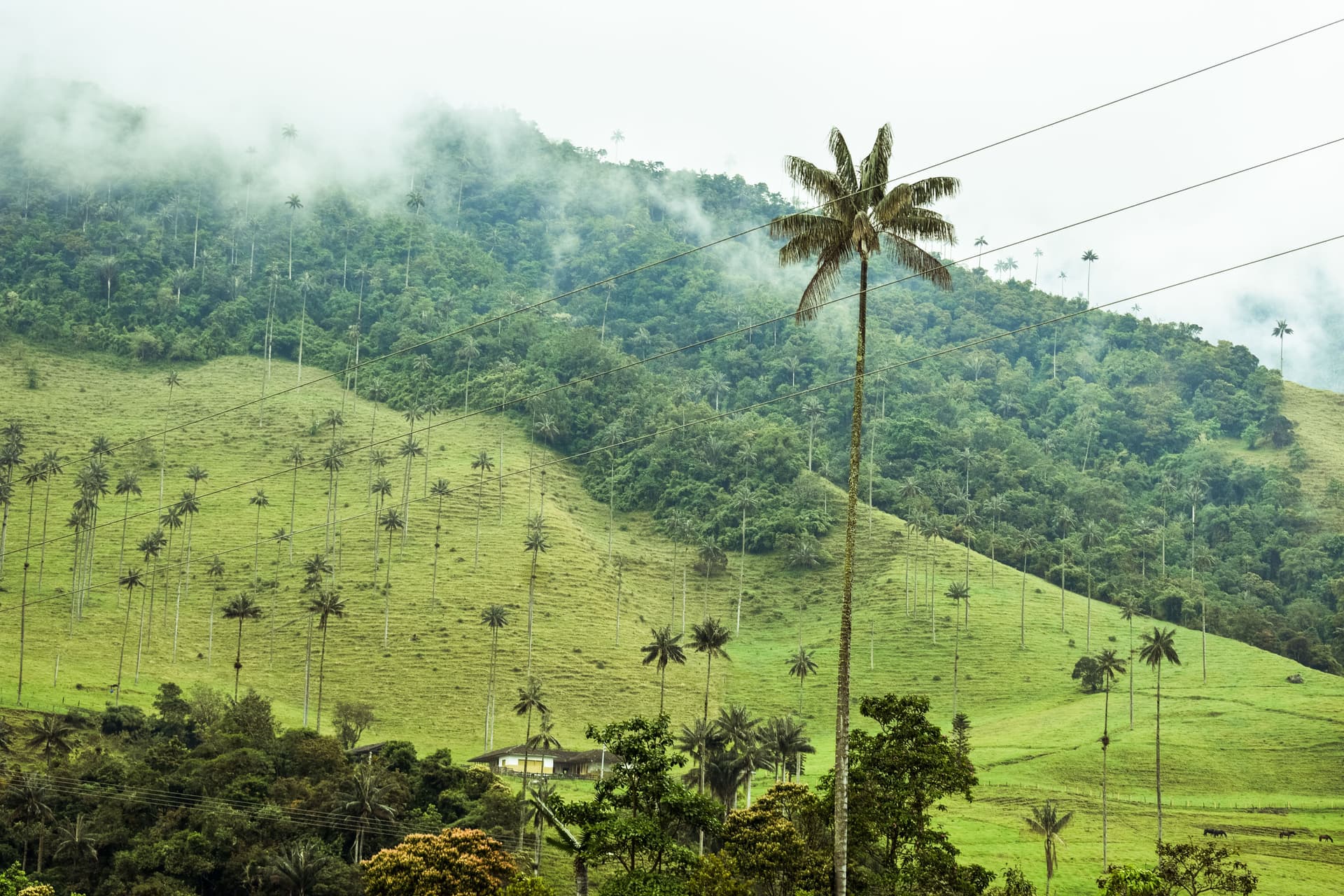
Coffee farm in Cocora Valley / Salento region
Coffee farm in Cocora Valley / Salento region
In Salento, at the heart of the Paisaje Cultural Cafetero (UNESCO), family-run farms open their doors for a complete immersion in the coffee cycle: harvesting, fermentation, drying, roasting and tasting.
Around Salento, in the heart of the Paisaje Cultural Cafetero listed as a UNESCO World Heritage site, dozens of family farms welcome visitors. In half a day, you follow the coffee bean from the red cherry picked on the bush to the cup, passing through the stages of pulping, fermentation, drying and roasting. It's a tangible immersion in the economy and culture that have shaped this region for over a century.
Practical information at a glance
- Access : the most visited farms are a few kilometers from Salento's town center, accessible by Willys jeep (iconic local transport) or on foot.
- Recommended duration : allow 1.5 to 2 hours for a complete guided tour of the coffee cycle.
- What to wear : closed-toe shoes recommended; paths between coffee plants can be muddy after rain.
- Language : most guides speak Spanish; some farms offer English-speaking tours — check when booking.
What you'll see
The coffee plants of Caturra and Colombia varieties grow in the shade of banana trees and guamo trees, following the shade-growing tradition that preserves biodiversity. You observe cherries at different ripeness stages, concrete fermentation tanks, drying beds on wooden frames, and in well-equipped farms, a small artisanal roaster. The tour almost always ends with a tasting.
History and context
The Antioquia settlement of the 19th century transformed these Andean slopes into coffee lands. Salento, founded in 1850, is one of the oldest towns in this settlement movement. The region's coffee, grown between 1,500 and 2,000 meters altitude, benefits from a double annual harvest thanks to the microclimate of the Central Cordillera. In 2011, the Paisaje Cultural Cafetero was inscribed on UNESCO's World Heritage list as an exceptional example of a living cultural landscape.
Highlights of the visit
Picking the cherries
Guides often invite you to pick some red cherries yourself. The gesture is simple, but it illustrates why harvesting remains manual: only perfectly ripe cherries are selected, one by one.
Pulping and fermentation
The pulping machine separates the pulp from the bean in seconds. The beans then spend 24 to 48 hours in water tanks to ferment and shed their mucilage. This step directly influences the aromatic profile of the final cup.
Drying and roasting
On beds or concrete patios, the beans dry in the sun for several days. At farms that roast on-site, you witness the transformation of the green bean into a brown bean, with the appearance of characteristic aromas.
The final tasting
The tour concludes with a cup prepared using the chorreada — a traditional Colombian cloth filter. This is often the moment to chat with the family running the farm and to buy coffee directly from the source.
Photography tips
Morning light is ideal in the coffee plants: the low sun brings out the red of the cherries against the dark green foliage. Photograph the hands of pickers in action for vibrant images. Inside covered drying sheds, light is dim — portrait mode or high ISO sensitivity prevents blur.
Location and access
Salento is located in the department of Quindío, at approximately 1,900 meters altitude. From the town center, Willys jeeps depart regularly toward Cocora Valley and the rural roads where farms are concentrated. From Armenia (the capital of Quindío), Salento is accessible by bus in less than an hour. From Pereira, allow a similar journey.
Farms are generally accessible on foot from rural paths, but people with reduced mobility may face difficulties on sloped terrain and unmaintained trails.
Nearby attractions
- Cocora Valley — giant wax palms (Colombia's national palms) a few kilometers from Salento.
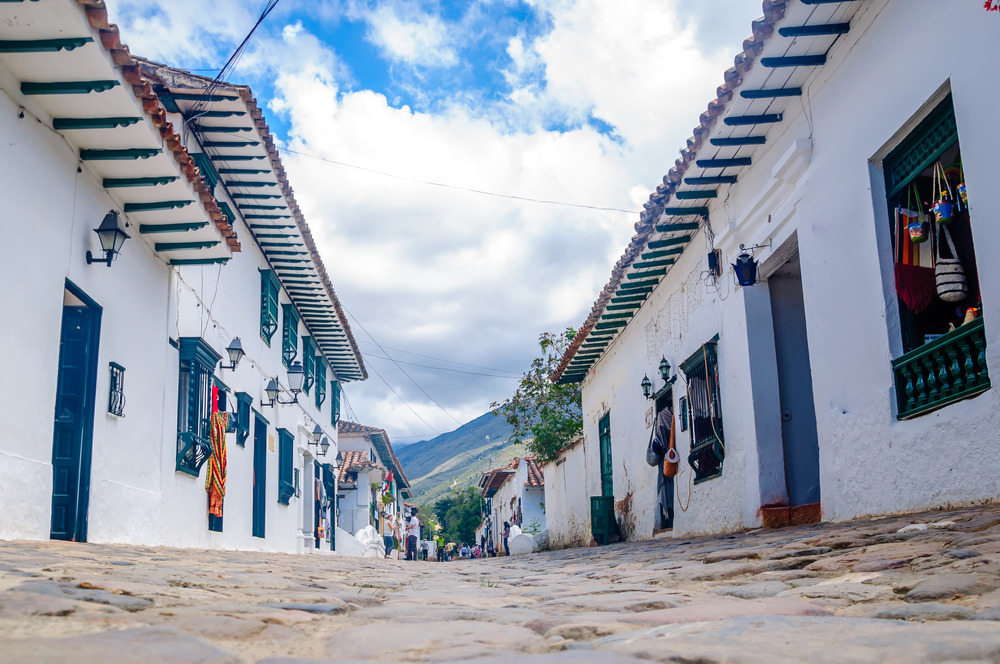
- Salento's historic center — colorful bahareque houses, carved wooden balconies and the lively Calle Real.
- Filandia — neighboring village in Quindío, quieter, with a panoramic viewpoint over the coffee region.
- Armenia — regional capital with the Museo del Oro Quimbaya and starting point for exploring Quindío.
Frequently asked questions
The main harvest (cosecha mayor) takes place from October to January. A smaller second harvest occurs from April to June. Outside these periods, the coffee plants are flowering or developing — the visit remains interesting, but you won't see active picking.
During high season (Colombian holidays, December-January, July), advance booking is recommended. On weekdays outside peak season, you can often show up directly at the farm or ask at Salento accommodations, which guide their guests accordingly.
Yes, this is the classic one-day combination in Salento. Start early for the Cocora Valley hike (3 to 5 hours depending on the route), then visit a farm late morning or early afternoon before heading back by jeep.
The tour is family-friendly. Children eagerly participate in picking and observing the machinery. Bring closed-toe shoes and wear clothes you don't mind getting dirty.
Most farms sell their production on-site, often as whole beans or freshly ground to order. It's a way to purchase traceable coffee at a fair price for the producer.

Give it a go!
Our local experts arrange this activity for you.