Visiting a Coffee Plantation in Colombia
Visiting a coffee plantation in Colombia is an absolute must! More than just a stroll, exploring the coffee fields offers a chance to venture into the famous 'coffee triangle'
Visiting a coffee plantation in Colombia is an absolute must! More than just a stroll, exploring the coffee fields offers a chance to venture into the famous 'coffee triangle'. Keen to taste the finest Colombian coffees? Join us in the Eje Cafetero for a coffee tour of the best fincas and haciendas – where you can master the art of the cupping…
Discovering the Eje Cafetero: the 'coffee triangle'
Initially concentrated in the departments of Caldas, Tolima and Antioquia, Colombie's coffee region expanded to form a dedicated zone known as the Eje Cafetero, the 'coffee triangle'!
Now located in the departments of Caldas, Risaralda and Quindío, this zona cafetera is listed as a UNESCO World Heritage site for its 'cultural landscape of coffee' since 2011.
Visiting a coffee plantation in Colombia: from cultivation to tasting
Visiting a finca (a small farm) or hacienda (a large-scale estate) allows you to discover the entire coffee production cycle.
A stroll through the coffee fields
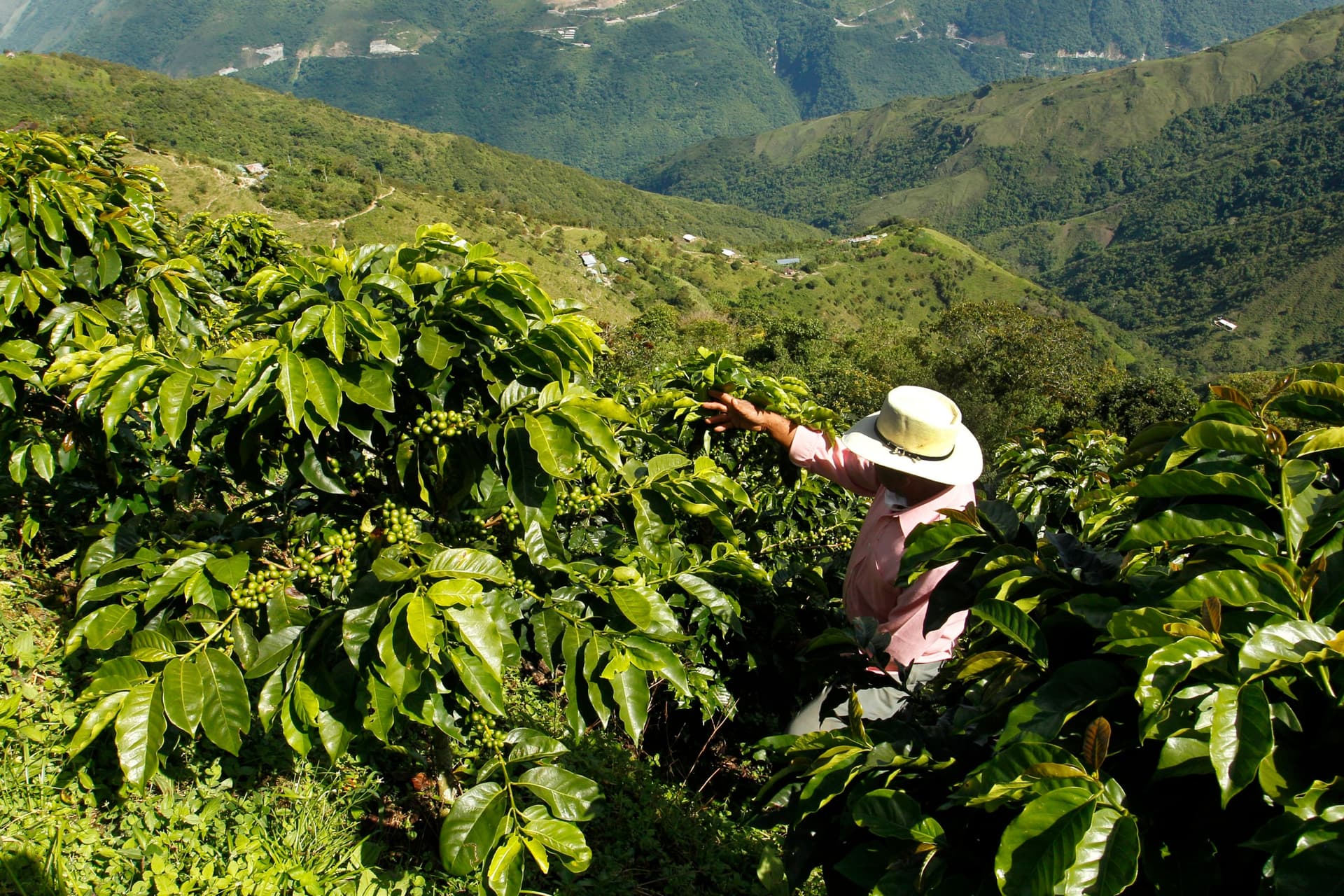
During your visit, your host will guide you through the rows of their coffee plantation where the trees flower several times a year! Depending on when you travel, you'll spot delicate white blossoms or drupes (more commonly called 'coffee cherries') inside which lie the prized beans.
Thanks to multiple blooms, a plantation can display white, green and red hues all at once, depending on the fruit's ripeness! The variety of coffee plants (pajarito, bourbon, tabi, caturra, etc.) further adds to the lush, verdant landscape.
The coffee harvest
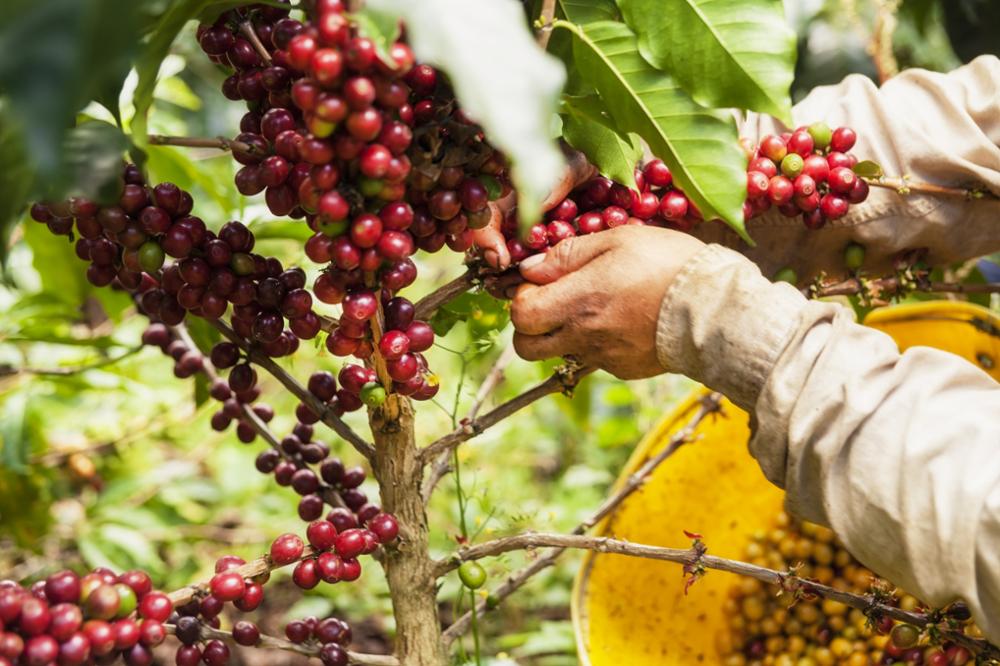
Picking, guided by successive blooms, takes place in multiple stages. During collection, coffee beans are placed in a basin: this step assesses their quality. How? By observing their reaction!
If the beans are of high quality, they sink to the bottom of the water. If they float, they're of lower quality and are set aside for the Colombian domestic market (premium coffee being reserved for export).
Drying
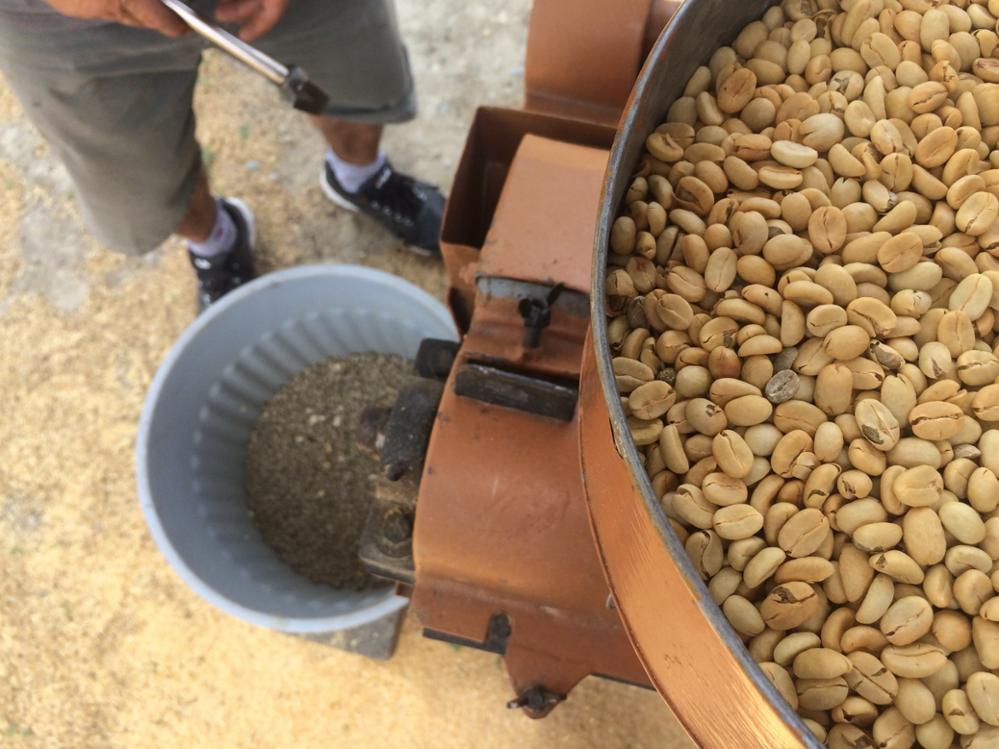
Once sorted, the beans are placed in a dedicated drying greenhouse. They're then arranged in a machine programmed to separate the drupe from the bean… The coffee takes on its final form!
The tasting
To appreciate all the aromas of coffee, there's a technique: cupping, or 'the art of coffee tasting'. Much like wine tasting, different types of coffee are sampled (bold, smooth, bitter)... Freshly roasted, ground and brewed, the coffee is then examined visually and olfactively, followed by a taste test. At this final stage, the liquid is 'swished' in the mouth to coat the tongue with all its flavors…
Tasting the finest Colombian coffee: 5 renowned haciendas and fincas
1. Hacienda La Victoria
Located in the department of Magdalena, in the north of the country, you'll find Hacienda La Victoria. Founded in 1892 by an English couple, the estate spans more than 1,223 hectares, of which 217 are dedicated to arabica coffee cultivation.
Address: Santa Marta, Magdalena, Colombie
2. Hacienda El Roble
Situated on the mesa de Los Santos (a mountainous massif within Colombie's eastern cordillera), this hacienda is renowned for its superior-quality coffee from organic farming. During your visit, you'll discover numerous coffee plant varieties and spot many bird species! A 2-day/2-night coffee tour is available.
Address: VW8X+P2 Los Santos, Santander, Colombie
3. Finca Café Tío Conejo
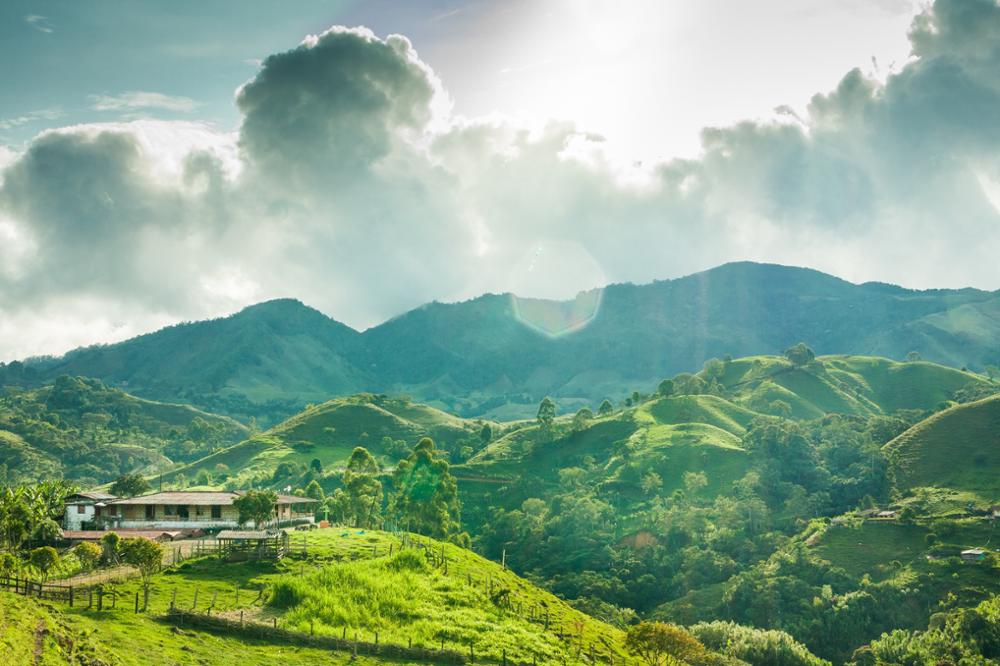
If you're exploring the lands of Caldas, make a stop at Finca Café Tío Conejo. There you'll discover, according to the founder, 'the formula for one of the finest cold brew coffee extractions in Colombie'! The perfect opportunity for a unique tasting and to take in the stunning landscape of Geisha coffee plants and banana trees.
Address: Vereda Santa Rita. Finca Cafe, Manizales, Caldas, Colombie
4. Finca de Don Elias
Located in the Cocora Valley, you'll find Finca de Don Elias (today octogenarian). The tour is led by his grandson, who'll share much about cultivation techniques. You'll be charmed by this family-run finca spared from tourist crowds. Here's your chance to see the majestic wax palms of the Cocora Valley!
Address: Salento, Quindio, Colombie
5. Finca Momota
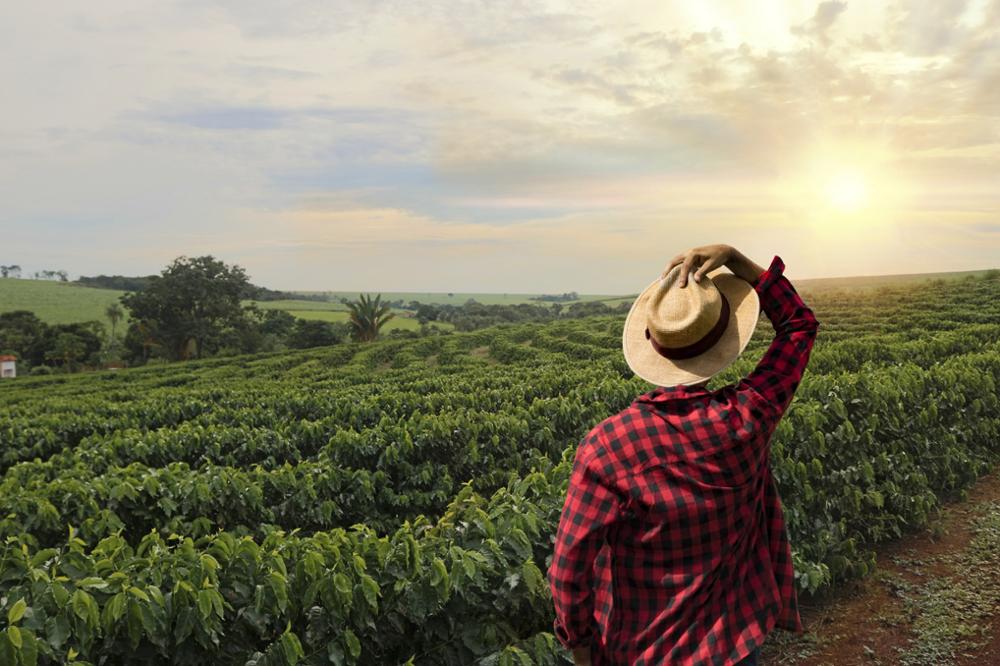
Nestled in the heights of Quindío, Finca Momota spans 1.5 hectares. You'll discover all stages of coffee production, as well as permaculture techniques implemented by this farm committed to sustainable development. Two different coffee tours are offered.
Address: Camino Nacional Sector Trincheras, Salento, Quindío, Colombie
Visiting a coffee plantation in Colombie is also a way to meet local people, eager to share their knowledge and way of life!
Frequently asked questions
The main coffee harvests in Colombie take place from October to December and April to June. These periods are ideal for watching the picking of coffee cherries. That said, thanks to the multiple blooms of Colombian coffee plants, you can see flowers and fruit at various stages year-round.
The price of a coffee tour varies by establishment and visit duration. Expect to pay between 15,000 and 40,000 Colombian pesos (roughly 3 to 8 euros) for a guided half-day tour. Some fincas offer immersive 2-day/2-night stays, such as Hacienda El Roble, at a higher rate.
Cupping is the art of tasting and evaluating coffee, much like wine tasting. The coffee is freshly roasted, ground, then brewed before being examined visually and olfactively. You then taste it by 'swishing' it in your mouth to perceive all its flavors (acidity, bitterness, sweetness, body). This technique is offered during many coffee tours in the Eje Cafetero.
The Eje Cafetero is located in the departments of Caldas, Risaralda and Quindío. The city of Pereira has an international airport well served from Bogotá and Medellín. From Pereira, Armenia or Manizales, buses and shared taxis make it easy to reach various fincas and the town of Salento, an ideal starting point for exploring the region.
Yes, several fincas and haciendas in the coffee region offer on-site accommodations. It's an immersive experience that lets you live at the plantation's rhythm, participate in the harvest, and enjoy an authentic atmosphere. Hacienda El Roble, for example, offers a 2-day/2-night stay including a full coffee tour.
The Eje Cafetero was inscribed as a UNESCO World Heritage site in 2011 under the 'cultural landscape of coffee' criteria. This international recognition celebrates the harmony between the natural environment (Andean reliefs, biodiversity), traditional finca architecture, and the know-how passed down through generations by Colombian coffee-farming families.