Colombia's Most Beautiful Colonial Villages
Colombia is a country steeped in history. From these colonial eras, it has preserved architecture with Spanish and European influences, as well as a distinctive atmosphere...
Colombia is a country steeped in history. From these colonial periods, it has preserved architecture with Spanish and European influences, as well as a distinctive atmosphere… Dreaming of traveling through time? Discover all of Colombia's most beautiful colonial villages!
Cartagena of the Indies: A Colombian Colonial City Listed by UNESCO
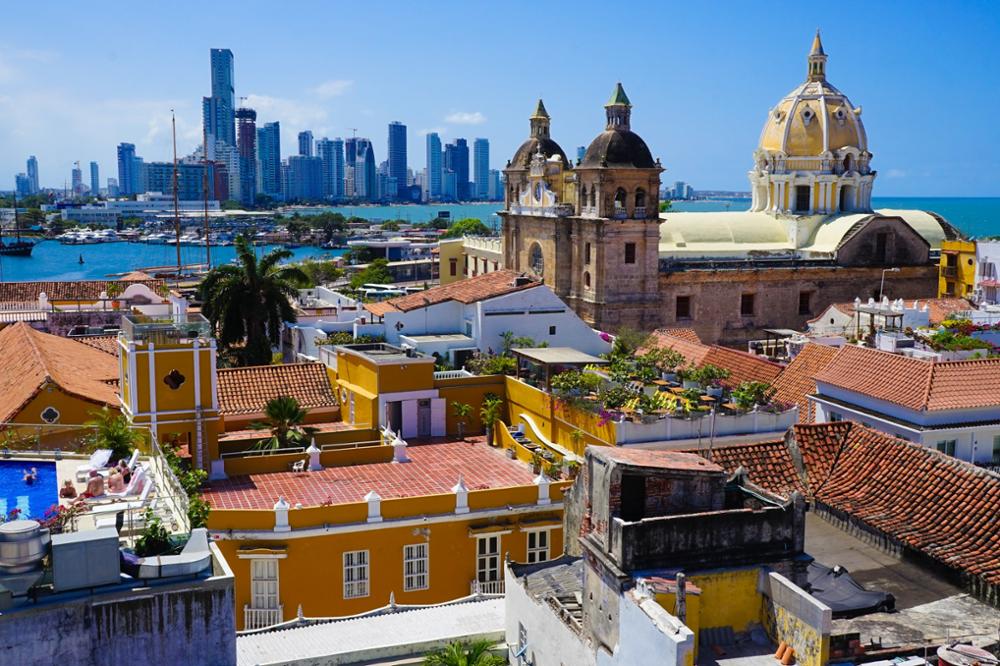
Located in the department of Bolívar, Cartagena is a port city that was a Spanish colony for three centuries. From that era, a splendid historic center remains, listed as a UNESCO World Heritage Site (its fortification is considered one of the best preserved in South America).
During your visit, you'll be enchanted by the vibrant and colorful façades of the buildings, as well as by the famous Castillo de San Felipe, known for its labyrinths, drawbridges and breathtaking views over the bay!
Santa Cruz de Mompox: An Ancient Colonial Town on the Banks of the Magdalena River
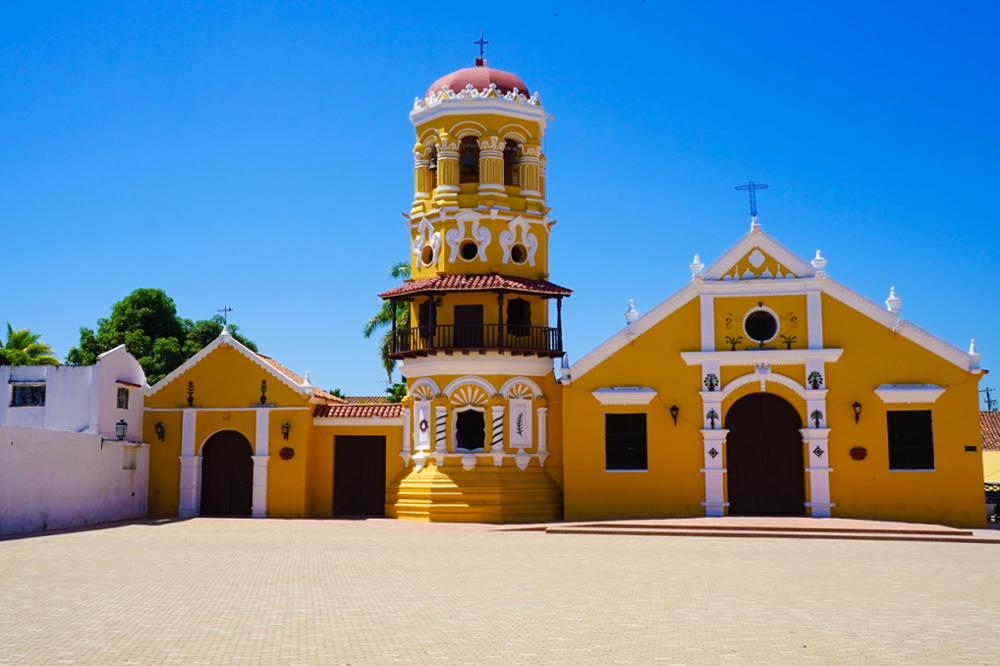
Mompox is an ancient colonial town founded in 1540. A hub of commerce between the 17th and early 19th centuries, it eventually became deserted due to river problems. The result? Its economic decline played a crucial role in its preservation…
Today listed as a UNESCO World Heritage Site, Mompox is appreciated for its atmosphere and unique architecture. Located on the banks of the Magdalena River, the town's surroundings can be explored by boat. It's an opportunity to spot iguanas and basilisks – beautiful endemic lizards!
Barichara: One of Colombia's Most Beautiful Colonial Villages
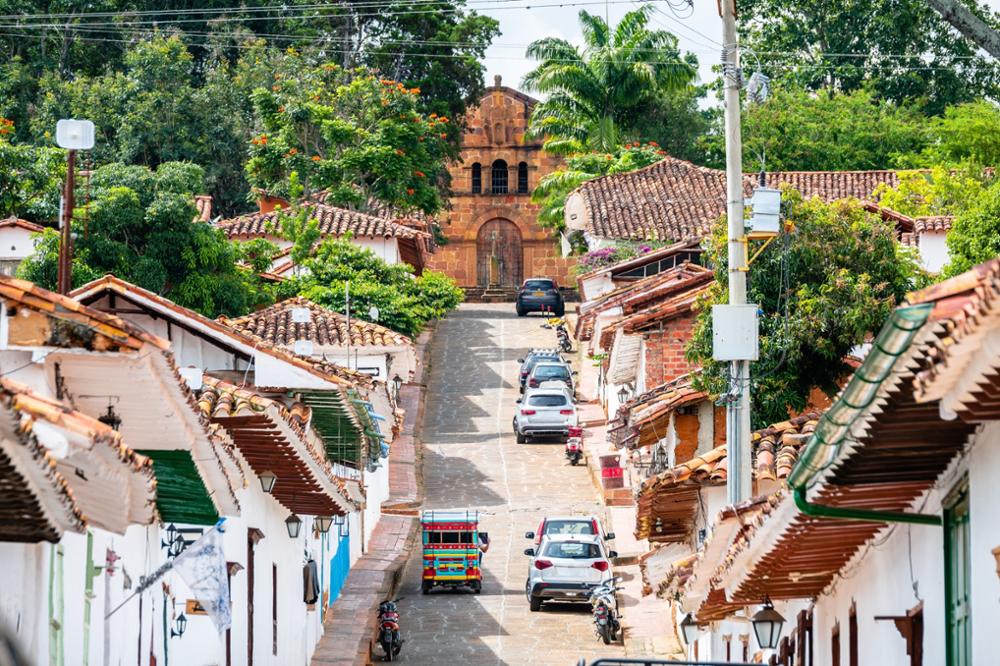
Perched at over 1,300 meters in altitude, Barichara is a charming colonial village located near the Chicamocha Canyon. Renowned for the excellent preservation of its architecture and its ochre-colored façades, this hamlet also boasts an exceptional observation point over the Rio Suarez canyon…
Its name? The Mirador Salto del Mico. Easily accessible by the main road, this spot offers a vertiginous view! Barichara is also renowned for its local craftsmanship. On site, you'll discover small workshops, such as cigar factories or stone cutters.
Guatapé: The City of the Piedra del Peñol
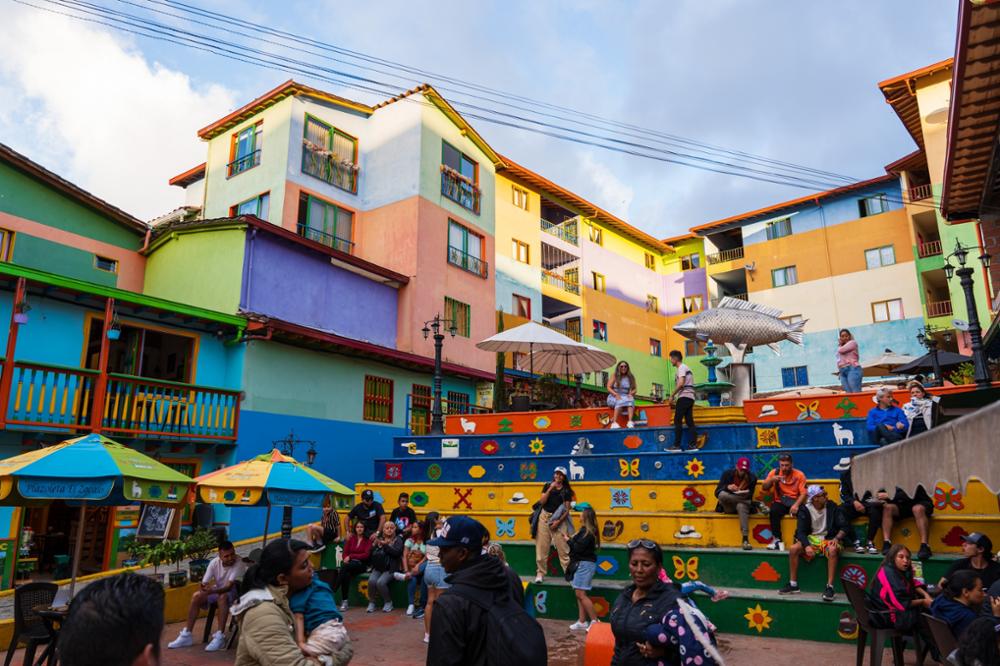
Does your itinerary pass through the department of Antioquia? Stop in Guatapé! Start with an ascent of the Guatapé peñón – a monolithic rock 220 meters high.
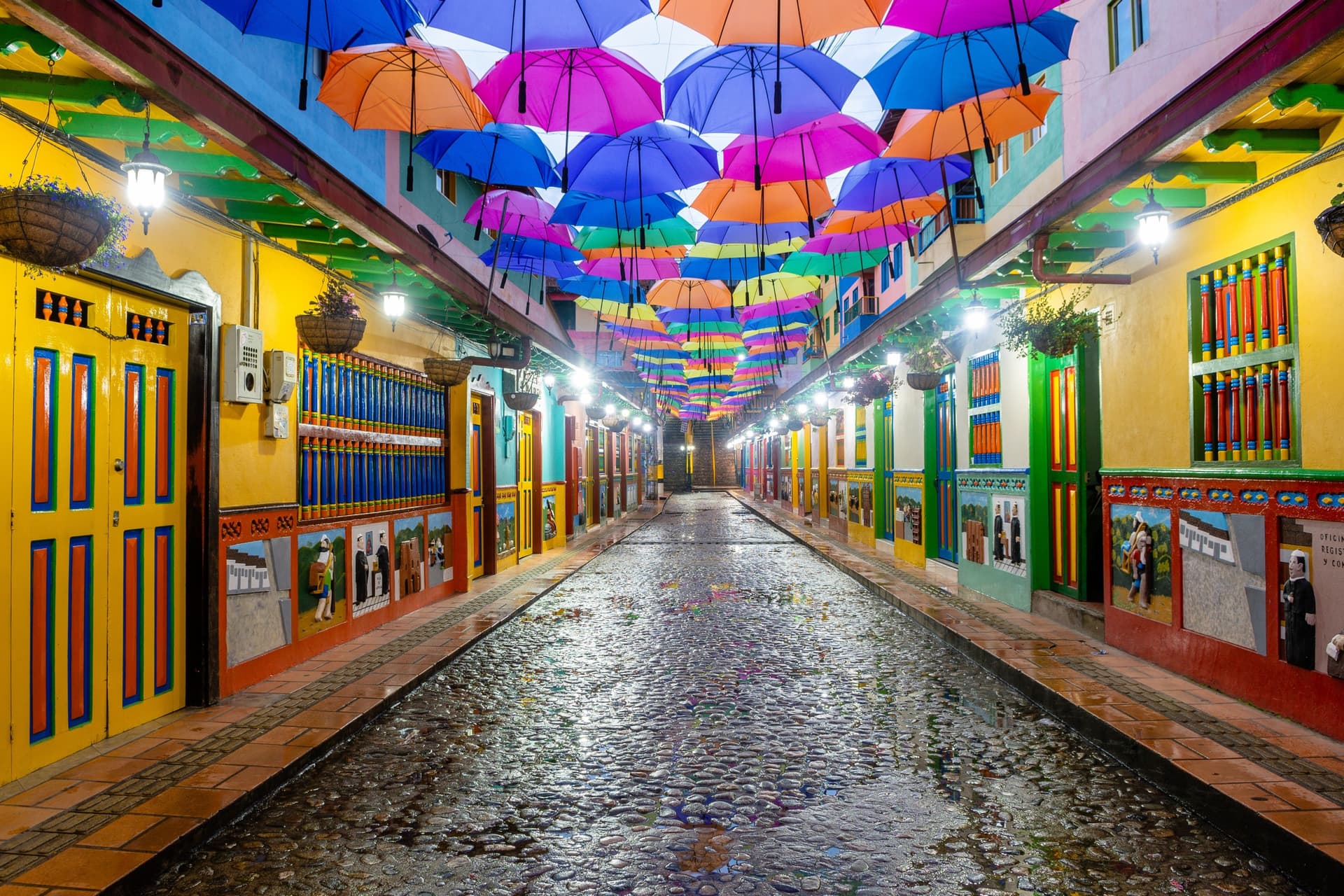
To reach the summit? You'll need to climb 700 steps… Once at the top, you'll enjoy a 360° view over the lake. Back in town, explore the charming colorful streets and the famous umbrella street (carrera 29) by tuk-tuk.
Jericó: A Village Renowned for Its Welcoming Locals
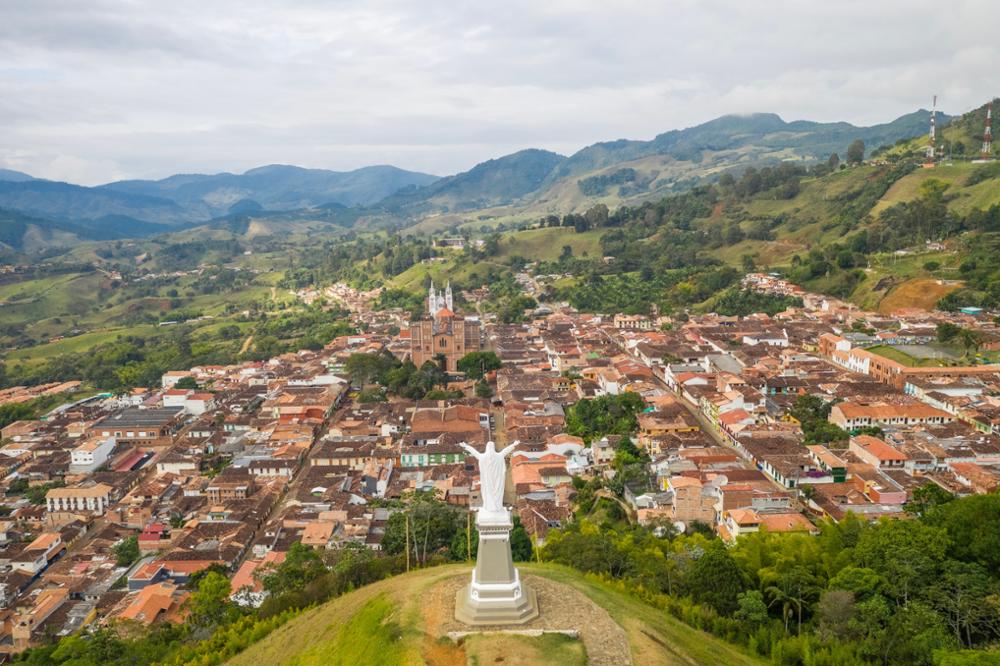
Jericó is a colonial village nestled in lush nature. It is, among other things, covered with coffee plantations, which can be visited. From cultivation to roasting, passing through sorting and drying stages, you'll know everything about the coffee bean!
The village is also renowned for its leather craftsmanship, particularly for the production of bags, locally named carrieles. If you want to learn all about the art of leather working, workshops will open their doors to showcase their expertise…
Jardín: A Hamlet Renowned for Its Gastronomy
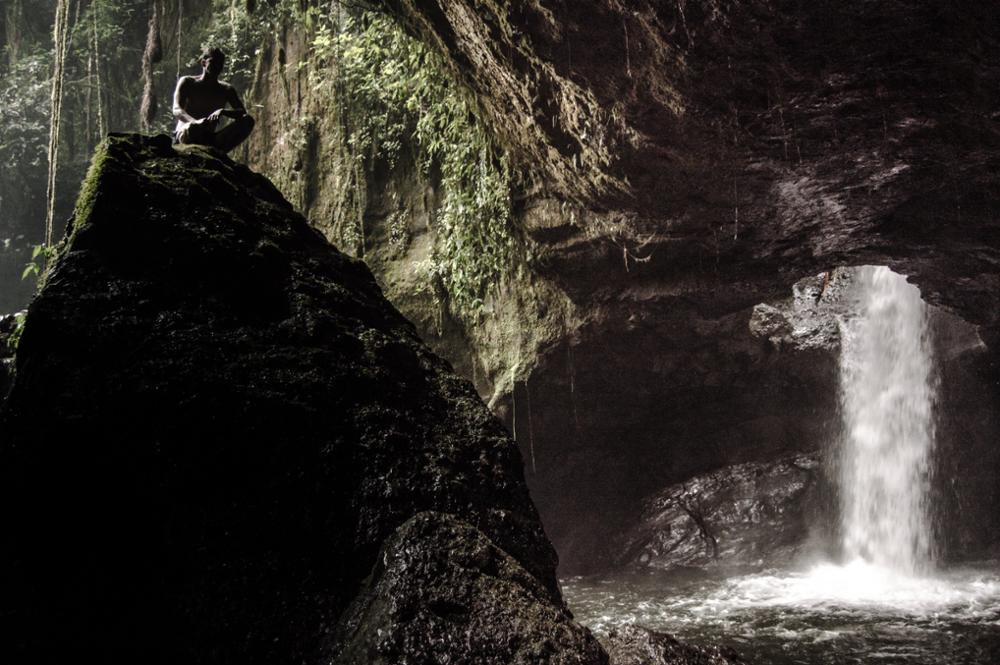
Less than 4 hours' drive south of Medellin, you'll find the village of Jardín. Its main square (listed as a historic monument) will delight you with its warm atmosphere and charming white houses, which surround the terraces of cafés.
Renowned for its restaurants, Jardín is the ideal place to taste Colombian gastronomy, including la bandeja paisa – a traditional dish typical of Antioquia. A few kilometers from the town center, don't miss the Cueva del Esplendor, a cave whose vault is crossed by a waterfall over 40 meters high!
Villa de Leyva: A Colombian Colonial Village in the Heart of Untamed Nature
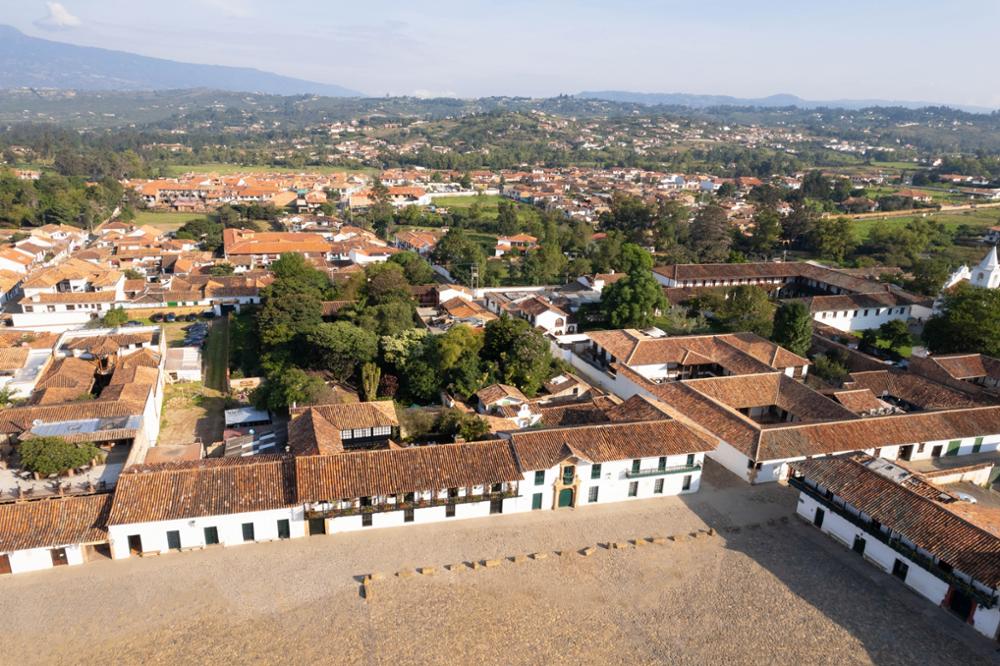
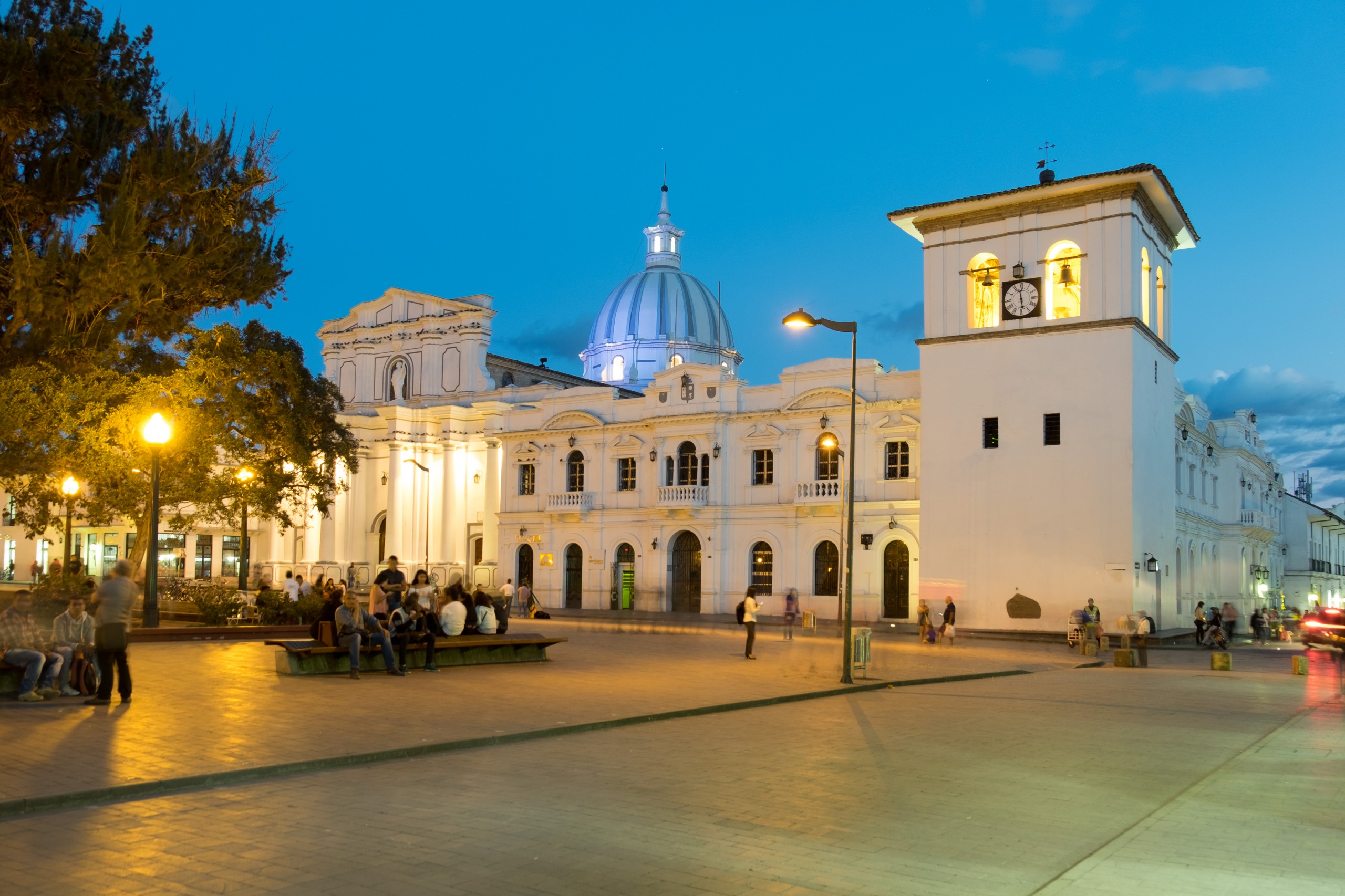
Villa de Leyva is a splendid colonial village located in the department of Boyacá. Listed as part of Colombia's national heritage, its historic center contains architecture with Spanish influences. You'll discover white buildings, streets paved with ancient flagstones, the Plaza Mayor, as well as numerous art galleries.
The village also enjoys varied landscapes, featuring desert areas and paramos – mountainous areas typical of tropical regions. This part of the country is conducive to hiking, rappelling and canyoning! One tip? Don't leave without visiting the Iguaque Fauna and Flora Sanctuary…
Salento: The Kingdom of Coffee and Fincas
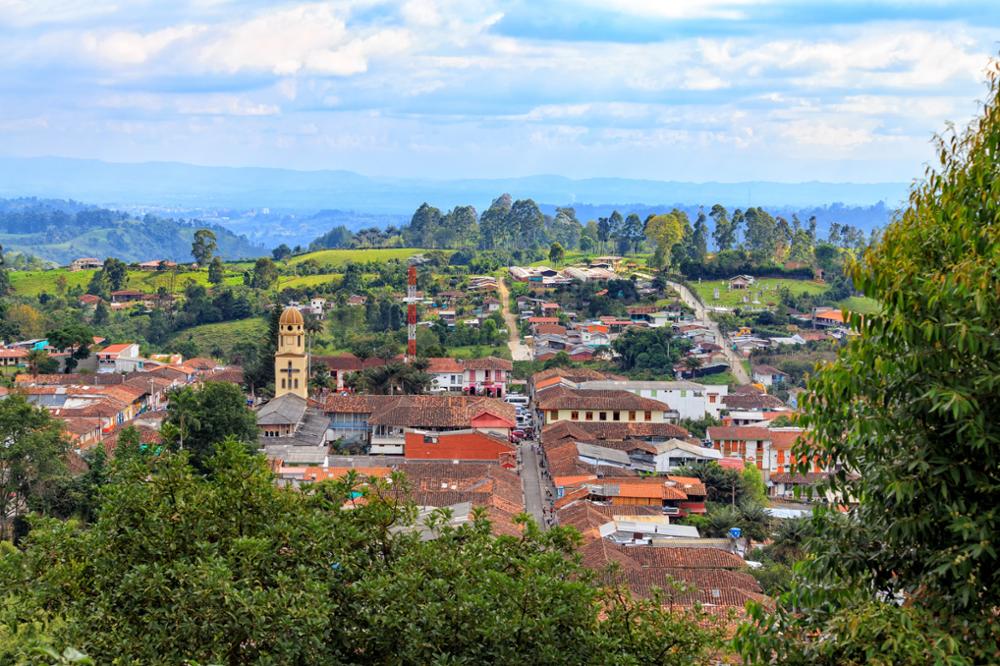
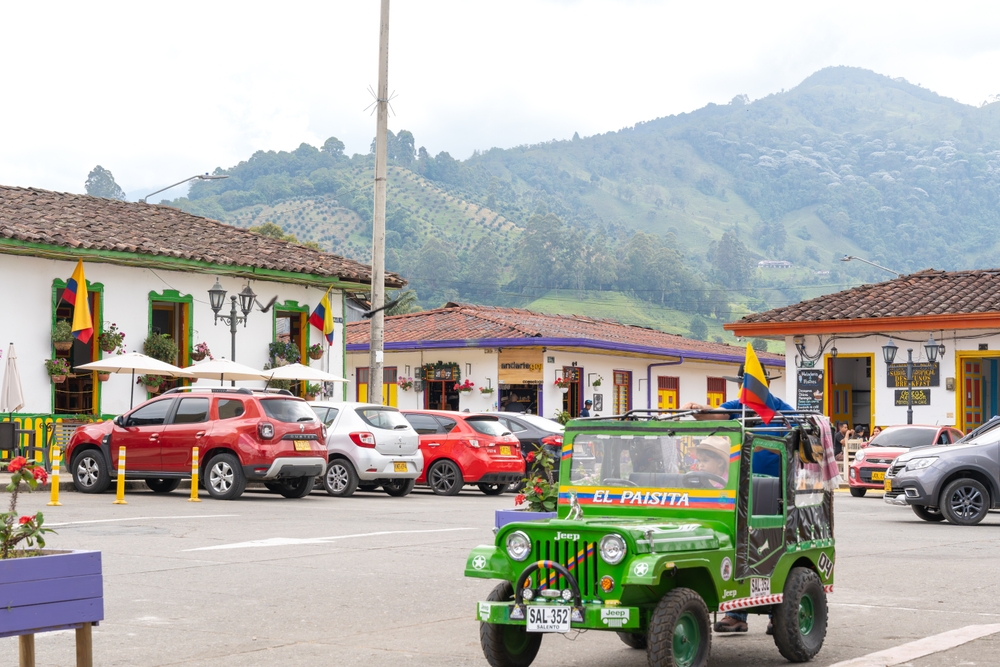
Perched at 1,900 meters in altitude, Salento is a village renowned for its coffee plantations. In the heart of its verdant landscapes, you can visit one of the fincas that dot the village. These agricultural farms will introduce you to coffee production while discovering the famous zona cafetera, which is an integral part of Colombian history and culture.
Frequently asked questions
Among the most beautiful colonial villages in Colombia are Cartagena of the Indies and Mompox (both listed by UNESCO), as well as Barichara, Villa de Leyva, Salento, Jardín, Jericó and Guatapé, each offering unique architecture and atmosphere.
Two colonial cities in Colombia are listed as UNESCO World Heritage Sites: Cartagena of the Indies, for its exceptional fortifications, and Santa Cruz de Mompox, for its preserved architecture and atmosphere on the banks of the Magdalena River.
The best time to visit Colombia's colonial villages is generally during the dry season, between December and March or between July and August. Weather conditions vary depending on altitude and region, however. It is advisable to research according to the specific destinations on your itinerary.
To reach Barichara from Bogotá, the most common route is to take a bus to San Gil (approximately 7 to 8 hours), then a local taxi or bus to Barichara (approximately 30 minutes). It is also possible to fly to Bucaramanga and continue by car.
Yes, several colonial villages are located in the famous Colombian zona cafetera. Salento and Jericó are particularly renowned for their plantations and agricultural fincas, where you can discover all stages of coffee production, from cultivation to roasting.
Absolutely! A circuit combining multiple colonial villages is entirely feasible. For example, you can connect Cartagena, Mompox, Barichara, Villa de Leyva and Salento in 10 to 15 days, using long-distance buses, domestic flights or a rental car depending on the stages.