Tierradentro Archaeological Park
Tierradentro Archaeological Park
Tierradentro is home to hundreds of painted underground tombs carved between the 6th and 11th centuries, designated a UNESCO World Heritage Site. An exceptional Andean archaeological site, to be discovered from Popayán.
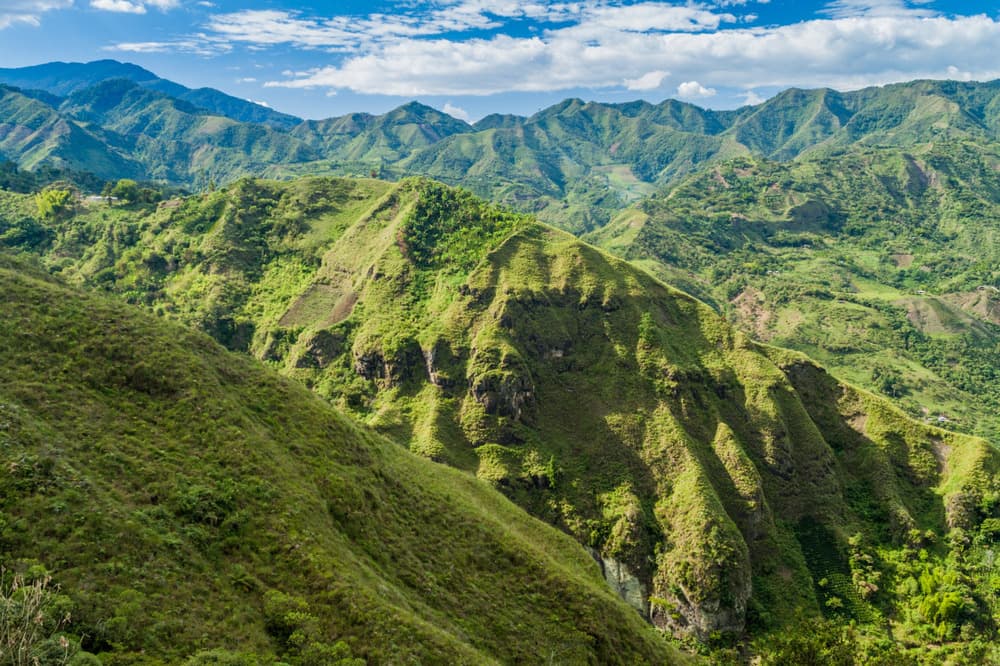
Tierradentro is a pre-Columbian archaeological site designated a UNESCO World Heritage Site, nestled in the mountains of Cauca, southwestern Colombia. It houses one of the world's largest concentrations of painted underground tombs, carved by the Tierradentro culture between the 6th and 11th centuries. Away from mass tourism circuits, this park offers a rare immersion into a rugged Andean landscape and a little-known civilization.
Quick reference guide
- Admission: paid entry (single ticket grants access to various park sectors)
- Recommended duration: a full day minimum to cover the main sectors on foot
- Attire: sturdy hiking boots essential — trails are steep and sometimes slippery
- Access: from Popayán, bus or shared vehicle to La Plata, then connection to San Andrés de Pisimbalá
- Altitude: approximately 1,750 m — bring a warm layer for the morning
What to see
The park comprises several sectors spread across surrounding hills. The hypogea — underground burial chambers — are the centerpiece: some reach several meters in depth, accessible by spiral staircases carved into the rock. The interior walls are adorned with geometric motifs and anthropomorphic figures painted in red, black and white, remarkably well preserved.
The site also includes monolithic statues and an ethnographic museum in San Andrés de Pisimbalá, which contextualizes Tierradentro culture and displays funerary objects uncovered during excavations.
History and context
Tierradentro culture flourished between the 6th and 11th centuries in this isolated Andean region. These populations practiced elaborate funeral rites: the deceased were buried in decorated underground chambers, sometimes reused for multiple individuals. The exact identity of this people remains debated among archaeologists. The site was inscribed as a UNESCO World Heritage Site in 1995, at the same time as the San Agustín Archaeological Park.
Highlights of the visit
Segovia Sector
The richest in painted hypogea and the most visited. Several tombs are open for visits, lit by flashlights provided on-site. The murals here are among the best-preserved on the site.
El Duende and El Aguacate Sectors
These neighboring hills offer additional hypogea in a wilder setting, with open views across surrounding valleys. The path between sectors traverses páramo landscapes and Andean farmland.
San Andrés de Pisimbalá Museum
Small but well-designed, this museum displays funeral urns, ceramics and explanations of Tierradentro culture rituals. A useful stop before exploring the tombs to better understand what you'll observe.
Photography tips
Inside the hypogea, light is nearly nonexistent: a camera with strong low-light performance or a compact tripod is recommended. Flash may be permitted depending on the sector — check with the site guardians. Outdoors, morning light is ideal for photographing hills and tomb entrances before mist rises.
Location and access
Tierradentro is located in Cauca department, approximately 160 km east of Popayán by road. Public transport usually involves a connection in La Plata or Inzá. The road is winding and travel times variable depending on conditions. There is no direct transport from Bogotá without a stopover. The village of San Andrés de Pisimbalá, the park's entrance point, has a few basic lodgings.
The site is not suitable for people with reduced mobility due to sloped trails and stairs accessing the hypogea.
Nearby attractions
- San Agustín Archaeological Park — another Colombian UNESCO site, famous for its pre-Hispanic monolithic statues, several hours' drive to the south.
- Popayán — the "white city," capital of Cauca, a logical departure point with its well-preserved colonial center.
- Silvia — an Andean village renowned for its weekly Guambiano market, to the west in the same department.
Frequently asked questions
The dry season (December–February and July–August) makes hiking on muddy trails easier. During the rainy season, some paths between sectors can become slippery and difficult to access.
A full day is the minimum to cover the main sectors on foot. Two days allow you to explore the site without rushing and visit the museum comfortably.
Yes, both UNESCO sites are often paired in an Andean circuit. The road between them is long and winding; allow at least one night at each site.
Rules vary by sector and may change over time. Check with the guardians at each zone's entrance. Outside, photography is unrestricted.
San Andrés de Pisimbalá has a few simple inns and guesthouses. The selection is limited; booking in advance during peak season is advised.
Self-guided visits are possible with an entrance ticket. Local guides are available in San Andrés de Pisimbalá and provide valuable insights into funeral rites and the site's history.
Want to discover this destination?
Our local advisors design your tailor-made trip.