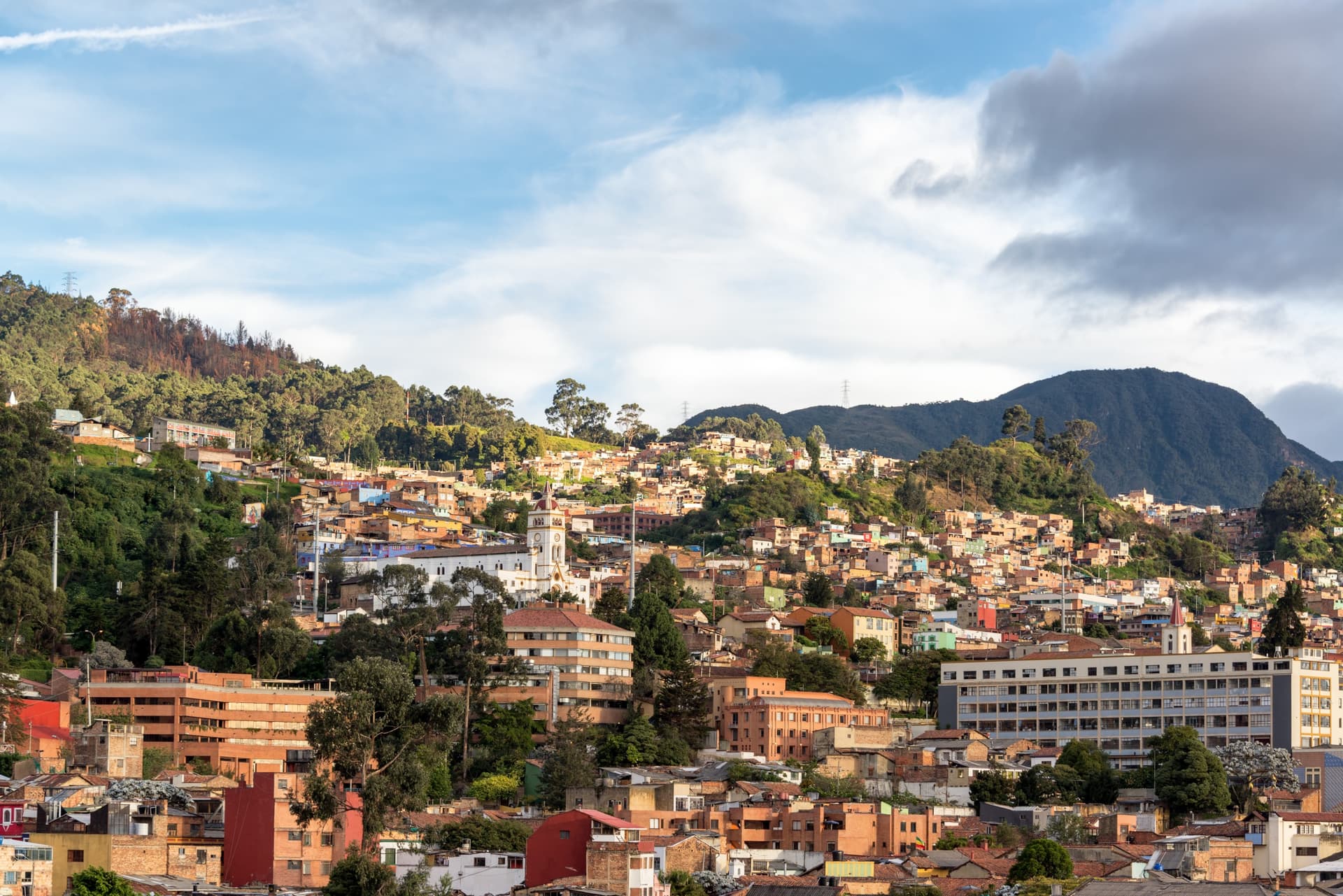
Barrio Egipto, Bogotá's former red-light district
Barrio Egipto, Bogotá's former red-light district
A former gang-marked neighborhood nestled against Bogotá's hillsides, Egipto is now visited alongside its residents, blending social history with religious traditions.
Barrio Egipto spreads across the slopes of Bogotá's eastern hillsides, adjoining the historic neighborhood of La Candelaria. Long regarded as a zone to avoid due to gang presence and invisible territorial boundaries, it has gradually opened to visitors thanks to initiatives driven by residents themselves. This guide details what to see there, when to visit, and how to organize your trip.
Why visit Barrio Egipto
Egipto offers a social reading of Bogotá that you won't find on standard tourist circuits. The neighborhood tells a story of transformation: from a sector marked by violence and gang rivalries to a space where former gang members now guide visitors as part of the Breaking Borders program (sometimes called Renacer). The visit weaves together recent urban conflict history, street murals, panoramic views of the city, and popular religious traditions such as the Three Kings celebration.
Egipto also serves as a convenient starting point toward Cerro Monserrate and the colonial heart of La Candelaria, making it a coherent stop on a day in Bogotá.
Neighborhood history
Egipto is one of Bogotá's oldest working-class sectors, organized around its church founded during the colonial era (sources place its foundation in the 17th century, with later reconstructions). Set against the hillside, it long concentrated a modest population living on the margins of the administrative center.
From the second half of the 20th century onward, the neighborhood's reputation deteriorated. Several gangs demarcated their territory with invisible boundaries, sometimes from one street to the next, and confrontations made the area difficult to access, even for its own residents. A series of security measures, combined with local social projects, allowed for gradual stabilization. Within this context, the Breaking Borders initiative emerged, where former gang members now offer guided tours to travelers and explain these mechanisms of urban rivalry firsthand.
The neighborhood also maintains strong religious traditions. The Three Kings celebration, observed every January 6th, has been celebrated there for over a century. During Holy Week, residents organize live reenactments of the Passion of Christ through the sloped streets.
What to see in Egipto and nearby
Iglesia de Nuestra Señora de Egipto
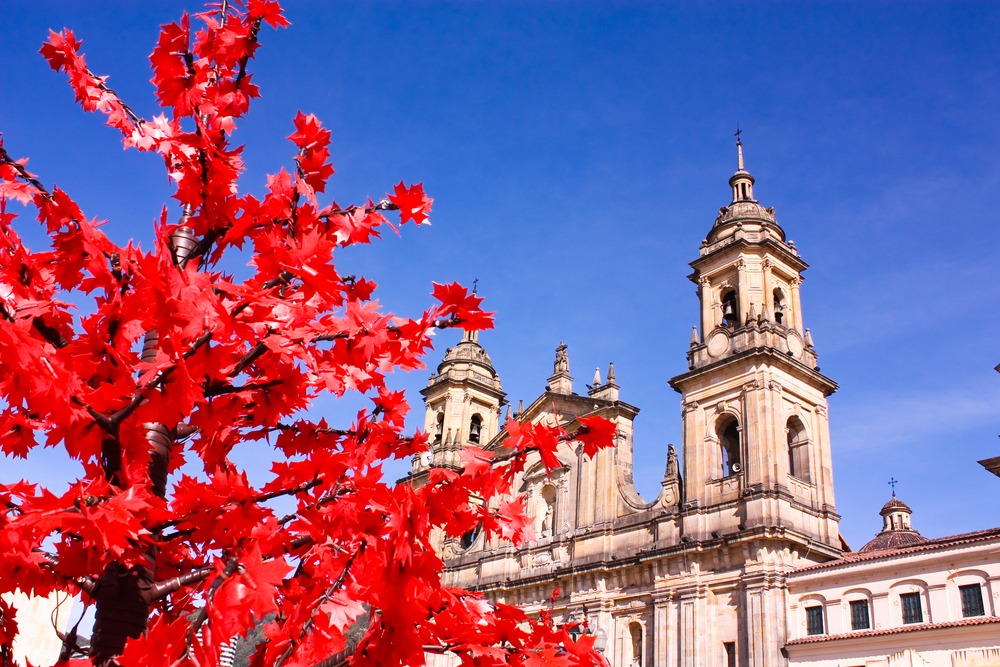
The church that gave the neighborhood its name is part of the La Candelaria district. Its foundation dates to the colonial era and the building has undergone several reconstruction phases. It is here that, on January 6th, the veneration of the Three Kings takes place, the highlight of the local festival calendar. Nearby, the Church of San Francisco is considered one of Bogotá's oldest chapels and deserves a visit for its gilded retables.
The Breaking Borders guided tour
The best way to explore Egipto is through a guided tour led by locals. The route, lasting around 2 hours, winds through the alleyways, reveals the former invisible boundaries, showcases murals painted by local collectives, and typically includes an exchange with the guides about their personal journeys. Visiting alone and without a local contact is not recommended.
Cerro Monserrate
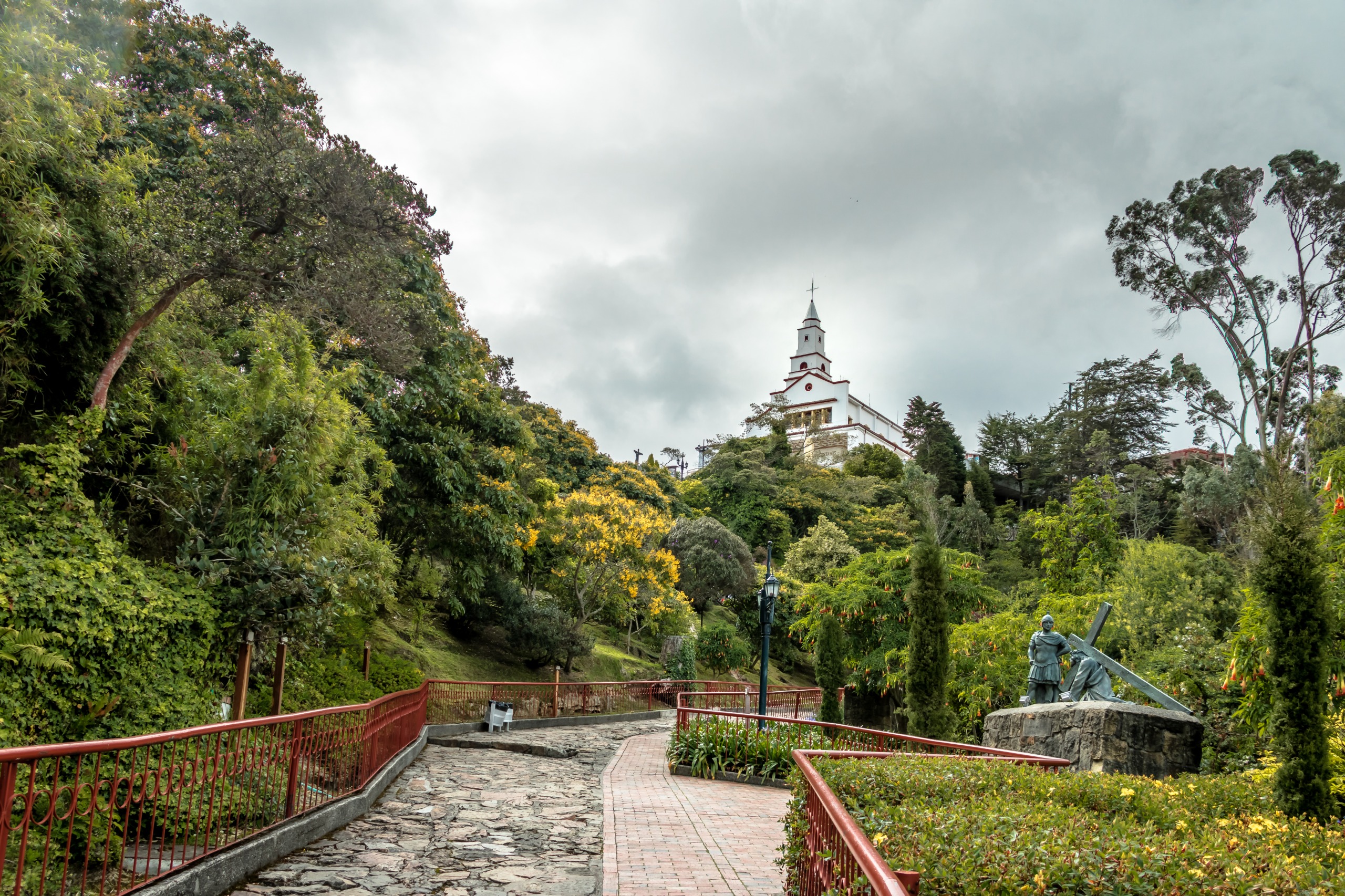
Above Egipto rises Cerro Monserrate, which peaks at around 3,152 meters in altitude. The summit houses the Basilica of the Lord of Monserrate, a pilgrimage site since colonial times, and offers sweeping views over Bogotá. Three options to ascend: the funicular, the cable car, or hiking via a path dotted with bronze statues depicting biblical scenes (allow roughly one hour of climbing at a pace suited to the altitude). Local oral tradition holds that an unmarried couple who climb together will never marry; a belief frequently repeated without documented evidence.
La Candelaria and its museums
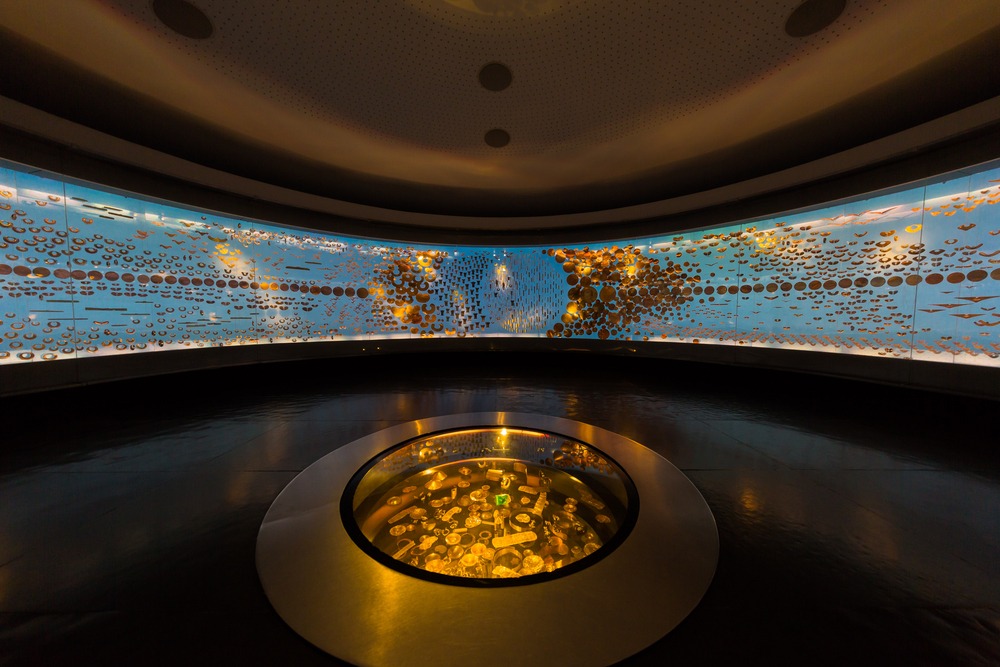
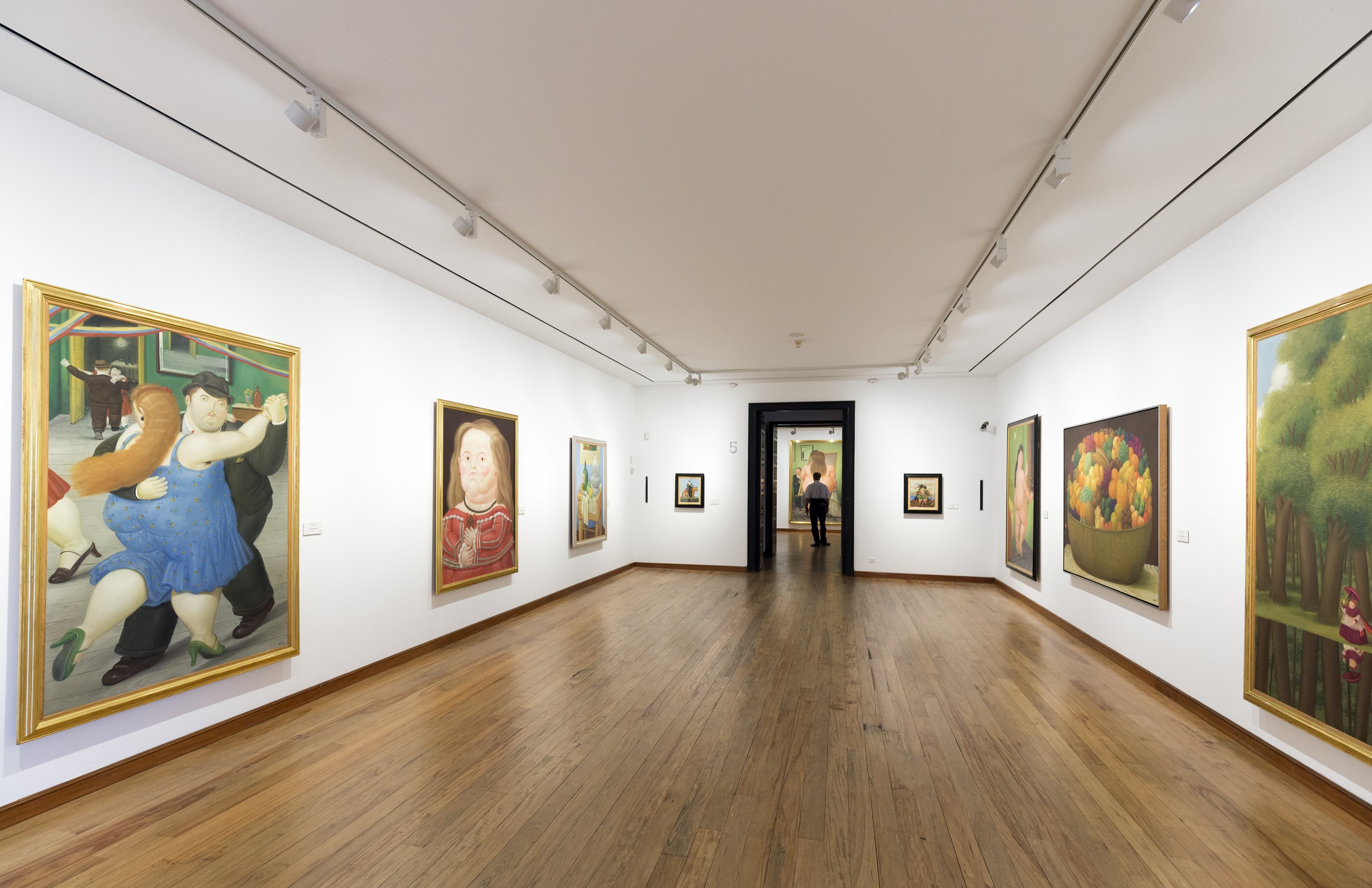
From Egipto, it's a short walk to the historic center of La Candelaria, with its colorful facades and street art. Usual strolling spots are Plazoleta Chorro de Quevedo and Plaza de la Concordia. Nearby or within walking distance, two museums complement the visit well: the Museo del Oro, which houses lithic objects, textiles, ceramics, precious stones, and pre-Columbian goldwork, and the Museo Botero, dedicated to Fernando Botero's works and featuring pieces from the artist's personal collection signed by European modern masters.
When to visit
Egipto can be visited year-round, as Bogotá's climate remains mild and stable (15-19 °C on average). Two high points mark the calendar nonetheless:
- January 6th, Epiphany Day, for the Three Kings celebration and veneration at Iglesia de Nuestra Señora de Egipto.
- Holy Week (March or April), for the live reenactments of the Passion of Christ through the neighborhood's streets.
Outside these dates, favor daytime visits, ideally in the morning, when light is better for photography and the neighborhood is more animated.
Practical information
- Duration: allow 2 to 3 hours for the neighborhood alone, half a day to a full day including Monserrate or the La Candelaria museums.
- Costs: the Breaking Borders guided tour is paid (moderate rate, tipping customary). Church access is free. Museums and the Monserrate funicular/cable car require separate admission tickets.
- Safety: do not wander alone through interior alleyways, especially late in the day. Leave jewelry and valuables at your hotel, keep cameras discreet, and prefer an official taxi or app (Cabify, Uber) for nighttime travel.
- Altitude: Bogotá sits at 2,600 m, Monserrate above 3,100 m. Bring water and maintain a moderate pace during your first days.
How to get there
Egipto is located immediately east of La Candelaria, allowing access on foot from most accommodations in Bogotá's historic center. By taxi, ask to be dropped at Iglesia de Nuestra Señora de Egipto rather than the neighborhood's core. TransMilenio serves the southern edges of La Candelaria, from which Egipto is reached in 10 to 15 minutes of uphill walking. For Monserrate, the funicular and cable car station is located at the neighborhood's northern edge.
Nearby
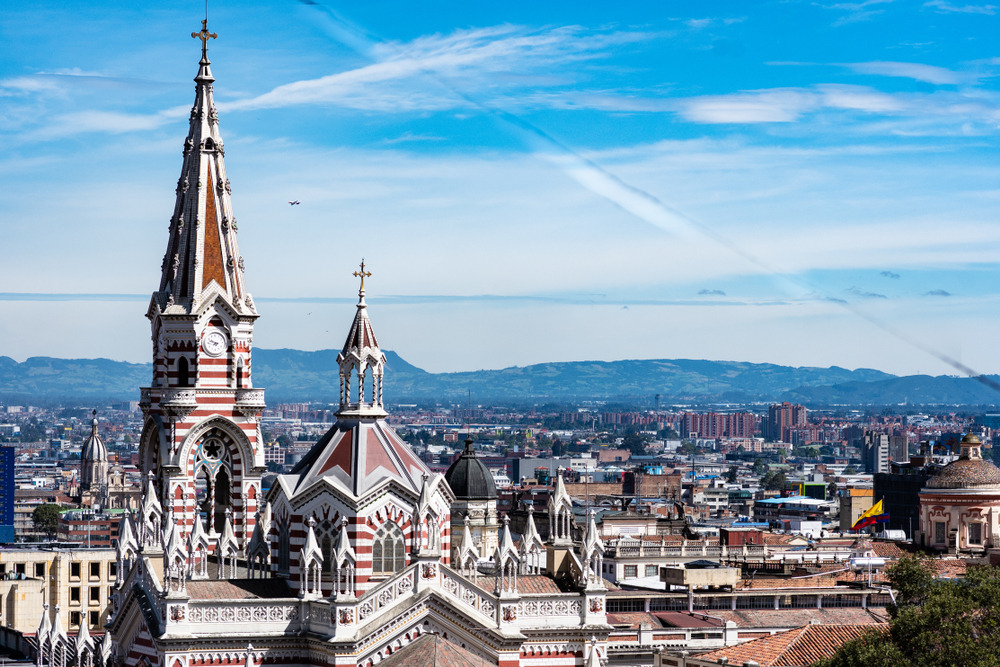
- La Candelaria: adjacent historic center, to explore before or after Egipto.
- Museo Botero: a 10-minute walk away, in La Candelaria.
- Convent of the Discalced Carmelites: another heritage stop in the center.
Frequently asked questions
Frequently asked questions
Plan your trip
Barrio Egipto naturally fits into a broader Colombian itinerary, between Bogotá, the coffee axis, and the Caribbean coast. To build a custom journey including the capital and its historic neighborhoods, consult our ideas for travel in Colombia.
Nearby
Interested in this visit?
We can include it in your personalised itinerary.