Uribia
Uribia, dubbed the indigenous capital of Colombia, is the center of Wayuu culture in Guajira. A colorful market, ancestral craftsmanship and the jumping-off point for exploring the deserts of the north.
Uribia is the municipal capital of Guajira, in northeastern Colombia, just kilometers from the Venezuelan border. Dubbed the "indigenous capital of Colombia," it is the heart of Wayuu territory, the country's largest indigenous people. Here, the Wayuunaiki language echoes through the streets, hand-woven mochilas blanket the markets, and the Guajira desert stretches toward Cabo de la Vela and Punta Gallinas.
Essentials at a Glance
- Access: from Riohacha (departmental capital), by bus or 4×4 vehicle — the road is partially paved, then rough track depending on season.
- Dress code: no formal restrictions, but respectful attire is appreciated in Wayuu communities.
- Recommended duration: half a day for the town; several days if exploring Upper Guajira from here.
- Departure point: Uribia is the essential logistics hub for reaching Cabo de la Vela and Punta Gallinas by 4×4.
What to See
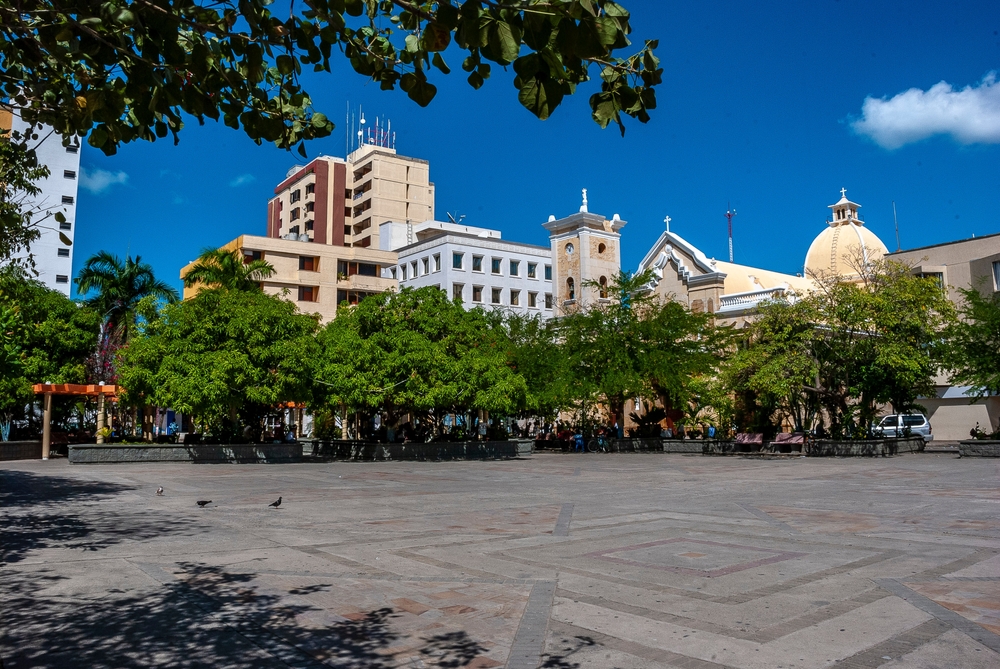
Uribia's central market concentrates the essence of Wayuu economic life. Women in long, colorful dresses — mantas — sell mochilas (woven bags), hammocks, and local produce. The geometric patterns of each piece tell a story of clan belonging. The main plaza and church offer a striking contrast between modest colonial architecture and indigenous vitality.
History and Context
The Wayuu people have inhabited the Guajira peninsula for centuries, resisting Spanish colonization through the harshness of the desert and their matrilineal social organization. Uribia was founded as a municipality in the twentieth century, but Wayuu territory predates any administrative boundary. Today, the town remains a symbol of indigenous cultural resilience in Colombia.
Highlights of Your Visit
The Wayuu Market
This is where much of Guajira's craftsmanship is traded. Wayuu mochilas, inscribed in UNESCO's intangible cultural heritage, are crocheted according to techniques passed down from mother to daughter. Each pattern — kanas — has its own name and meaning.
Wayuu Culture Festival
Each year (typically in May), Uribia hosts the Festival de la Cultura Wayuu, one of Colombia's largest indigenous gatherings. Dance, music, weaving competitions, and the election of the Wayuu queen animate the town for several days.
Gateway to Upper Guajira
Uribia is the last resupply point before the desert tracks. This is where 4×4 convoys form for journeys to Cabo de la Vela and Punta Gallinas, the northernmost tip of South America.
Photography Tips
Morning light is ideal in the market, before heat becomes overwhelming. Always ask permission before photographing Wayuu people — some refuse or request a contribution. The colors of mantas and mochilas stand out best in direct natural light.
Location and Access
Uribia lies in La Guajira department, roughly 80 km north of Riohacha via the national highway. Buses and shared vehicles connect the two cities regularly. To venture deeper into Guajira, you must hire a 4×4 with a local guide—often Wayuu—directly from Uribia.
Nearby
- Cabo de la Vela — Wayuu fishing village on the Caribbean Sea, a kitesurfing and sunset-watching hotspot.
- Punta Gallinas — the northernmost tip of South America, with dunes tumbling directly into the sea.
- Riohacha — capital of La Guajira, a coastal town with a lively market and Caribbean waterfront promenade.
Frequently asked questions
The dry season (December to April) is most suitable for Guajira tracks. During the rainy season, some roads become impassable. The Festival de la Cultura Wayuu, usually in May, is a particularly lively period.
For the town of Uribia, a guide is not mandatory. However, to venture toward Cabo de la Vela or Punta Gallinas, a local Wayuu guide and a 4×4 are essential — the tracks are unmarked and conditions can change rapidly.
Yes, Uribia's central market is one of the best places to buy mochilas directly from Wayuu artisans. Prices vary depending on the complexity of the weave and the size of the piece.
Buses and shared vehicles regularly depart Riohacha for Uribia. The journey takes roughly an hour and a half depending on road conditions.
Always ask permission before photographing people. Some Wayuu women agree in exchange for a small donation, others refuse. Respecting this protocol is essential.
Want to discover this destination?
Our local advisors design your tailor-made trip.