Riohacha
Riohacha
Riohacha, capital of La Guajira, blends vibrant Wayuu culture, Caribbean waterfront promenade and colonial architecture. An ideal starting point for exploring the La Guajira peninsula and its unique desert landscapes.
Riohacha is the capital of the La Guajira department, on Colombia's northern Caribbean coast. Founded by the Spanish in the 16th century, it remains today the gateway to the La Guajira peninsula and the territory of the Wayuu people. Between turquoise waters, ochre desert and living indigenous culture, the city occupies a unique position in Colombia.
Quick Practical Information
- Access: Almirante Padilla airport (RCH), flights from Bogotá and Medellín. Buses from Santa Marta (approximately 3 hours) and Barranquilla.
- Dress code: lightweight clothing, sun protection essential — intense heat year-round.
- Recommended duration: 1 to 2 days in the city, as a departure base for La Guajira (2-4 additional days).
- Local language: Spanish and Wayuunaiki (Wayuu language).
- Currency: Colombian peso (COP); bring cash, ATMs are limited outside the city.
What to See
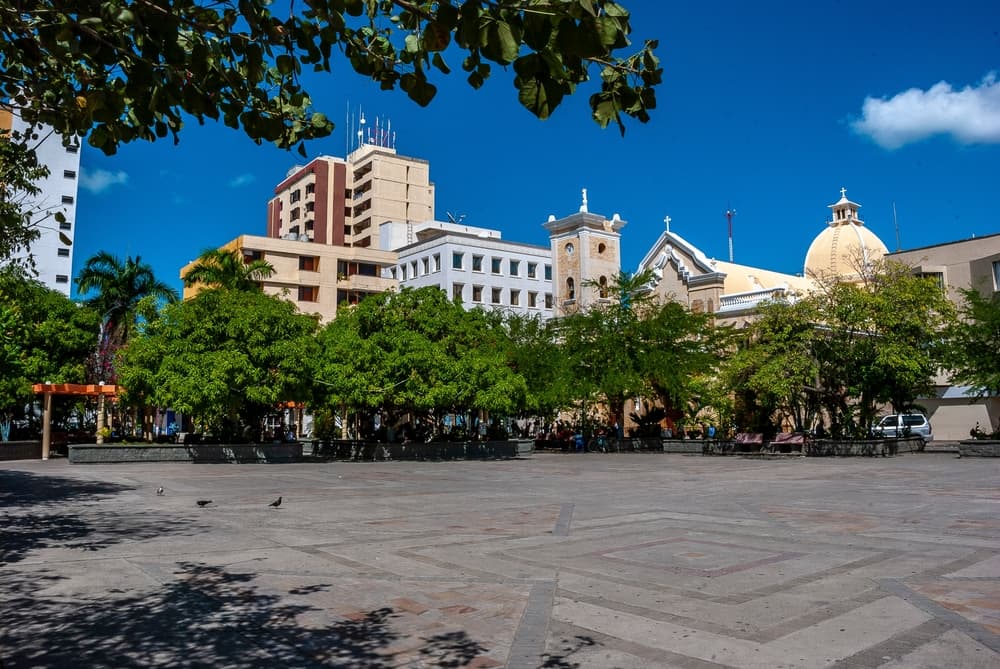
The Malecón (waterfront promenade) runs along the central beach and concentrates local life at sunset. The Cathedral of Our Lady of Remedies, sober and white, dominates the main square. The Wayuu artisanal market features mochilas (woven bags) and hammocks in vibrant colors, handcrafted by women from the community.
History and Context
Riohacha was founded around 1545 by Nicolás Federmann, drawn by the region's pearl banks. The city long resisted pirate raids — Francis Drake sacked it in 1596. Today, the Wayuu population represents a significant share of the department's inhabitants, maintaining ancestral traditions of weaving, livestock herding and cross-border trade with neighboring Venezuela.
Highlights of the Visit
The Malecón at Sunset
The promenade comes alive in the late afternoon. Wayuu families in traditional dress mix with fishermen returning from the sea. The low light on the Caribbean waters creates the characteristic orange hues of this desert coast.
The Wayuu Artisanal Market
Wayuu mochilas are recognized as UNESCO intangible cultural heritage. Each bag is handwoven with geometric patterns unique to each family. Buying directly from artisans ensures fair compensation.
The Cathedral of Our Lady of Remedies
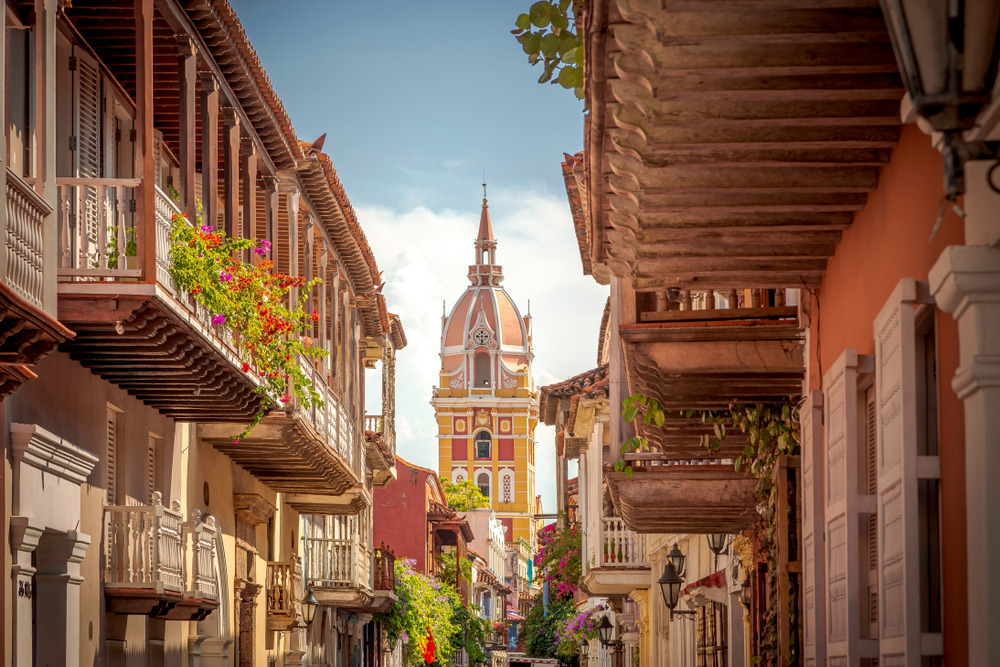
A sober colonial building, it is one of the oldest on Colombia's Caribbean coast. The cool interior contrasts with the outdoor heat and merits a brief stop.
The Urban Beach
Riohacha's beach, accessible on foot from the city center, is frequented by locals. The water is calm in the morning; vendors offer grilled fish and fresh fruit juices along the shore.
Photography Tips
The sunset over the Malecón is the most photogenic moment. For portraits of Wayuu artisans at the market, always ask permission first — some decline or request a small contribution. Morning light is ideal for photographing the cathedral without backlighting.
Location and Access
Riohacha sits at the far north of Colombia, approximately 160 km east of Santa Marta. Almirante Padilla airport is just a few kilometers from downtown. Buses and shared taxis (colectivos) connect the city to Santa Marta and Uribia, gateway to the peninsula. The center is compact and walkable. Accessibility for people with mobility challenges remains limited on the Malecón and in market streets.
Nearby Attractions
- Cabo de la Vela — sacred Wayuu site at the desert and sea edge, approximately 3 hours by rough road.
- Punta Gallinas — the northernmost point of South America, dunes meeting the sea.
- Santa Marta — colonial city and base for Tayrona National Park, approximately 3 hours west.
- Manaure — salt flats worked by the Wayuu, landscape of white salt and pink flamingos.
- Uribia — indigenous capital of Colombia, bustling Wayuu market and departure point toward the peninsula.
Frequently asked questions
The dry season (December to April) is most pleasant: intense heat but rare rainfall. The rainy season (May to November) can make roads to the peninsula difficult to access.
The city center and Malecón are generally safe during the day. Avoid traveling alone at night and check with your local agency about areas to avoid, particularly toward the Venezuelan border.
Yes, this is the classic itinerary. Riohacha serves as your logistical base: you stay there, rent a 4x4 with driver-guide, then head out to Cabo de la Vela and Punta Gallinas for 2 to 4 days.
A local Wayuu guide is strongly recommended, even essential for certain areas. The roads are unmarked and communities have their own rules for welcoming visitors.
Always ask permission before photographing. Some women happily agree, others decline or expect a small contribution in exchange.
Wayuu mochilas (woven bags) and artisanal hammocks are the emblematic purchases. Shop with market artisans rather than tourist boutiques to support communities directly.
Want to discover this destination?
Our local advisors design your tailor-made trip.