Páramo de Ocetá
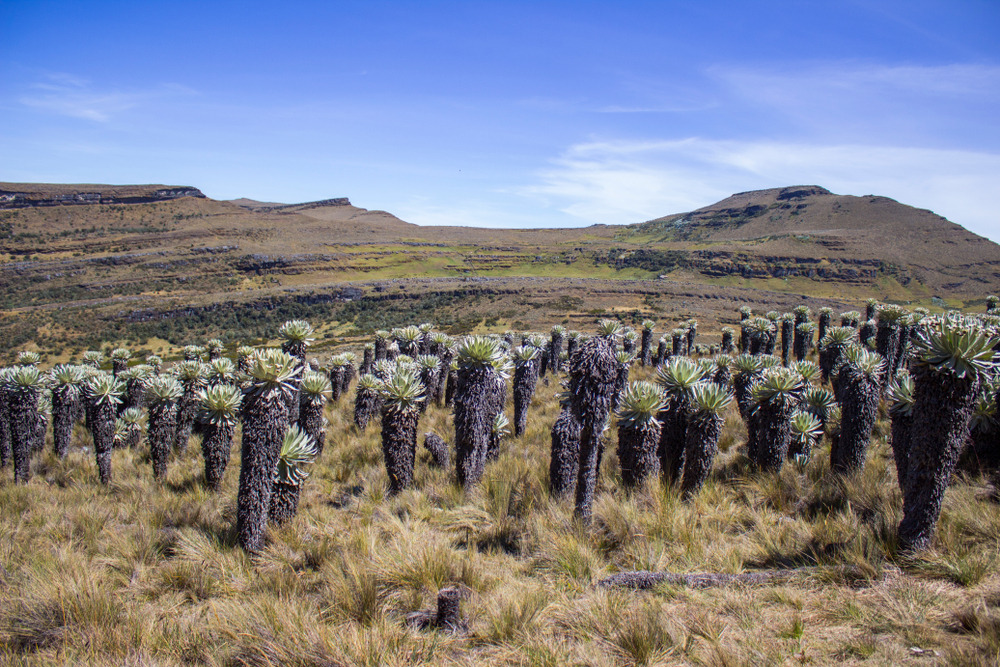
Rising above 3,500 meters near Monguí, Páramo de Ocetá spreads across misty, pristine Andean slopes dotted with frailejone fields and glacial lakes.
Páramo de Ocetá extends above 3,500 meters altitude in Boyacá department, at the gates of Monguí. This high Andean plateau harbors one of Colombie's largest concentrations of frailejones (Espeletia—iconic páramo plants that filter and store water from clouds. The landscape, between misty moorlands and glacial lakes, contrasts sharply with the colonial villages nestled in the valley below.
Quick Facts
- Access: Depart from Monguí on foot or horseback, depending on local agencies.
- Duration: Half-day to full day depending on the chosen route.
- What to wear: Warm, waterproof clothing is essential—cold and rain can strike at any moment.
- Altitude: Above 3,500 m; acclimatization recommended before trekking.
- Guide: Visiting with a local English-speaking guide is strongly advised to respect marked trails and protect fragile vegetation.
What You'll See
The páramo stands out for its frailejone fields—rosette plants that can exceed two meters in height, growing at an extraordinarily slow pace. Between tufts of golden grasses and spongy mosses, high-altitude lakes mirror the sky. On clear days, surrounding ridges reveal views across the eastern cordillera.
History and Context
Colombie's páramos are recognized as unique ecosystems found nowhere else on Earth, present only in the tropical Andes. They play a critical hydrological role: they supply fresh water to much of the Andean population. Páramo de Ocetá is designated a protected zone and subject to conservation programs led by Boyacá authorities.
Highlights of Your Visit
The Frailejone Fields
The density of frailejones at Ocetá is remarkable. Their velvety leaves capture moisture from clouds and release it slowly to the soil. Walking among these towering plants through morning mist is a powerful sensory experience.
High-Altitude Lakes
Several lakes punctuate the plateau. Their dark, still waters contrast with the gray-green surrounding vegetation. They serve as natural rest points along the trails.
Cordillera Panoramas
On clear days—typically in the morning—the páramo's ridges offer sweeping views across Boyacá's mountains. Low-angle morning light accentuates relief and plant textures.
Photography Tips
Morning light, before mist rises, is ideal for photographing frailejones against contrasting skies. Lakes reflect well late morning. Avoid leaving trails to approach plants: frailejones are fragile and protected.
Location and Access
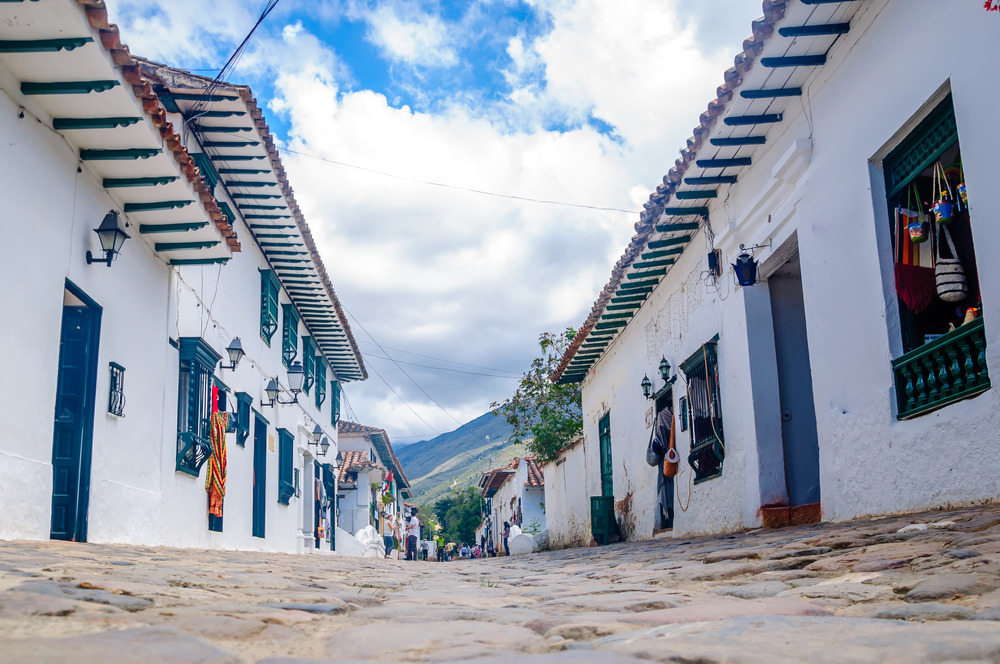
Páramo de Ocetá is accessible from Monguí, a colonial town in Boyacá renowned for its architecture and handcrafted soccer ball artisanship. Monguí lies roughly two hours by road from Sogamoso. From Monguí, local agencies offer on-foot or horseback circuits to the páramo. No direct public transport serves the site; a private vehicle or organized excursion is necessary.
Nearby Attractions
- Monguí — colonial village ranked among Colombie's most beautiful, the essential starting point for the páramo.
- Lago de Tota — Colombie's largest lake, a few hours' drive away, surrounded by onion fields and Andean landscapes.
- Sogamoso — the region's main city, home to a Muisca archaeological museum.
Frequently asked questions
The driest months (December–January and July–August) offer better chances of clear skies. The páramo can be cloudy and cold any season; early-morning visits maximize visibility odds.
Altitude exceeds 3,500 m, which can cause breathlessness in unacclimatized visitors. Reasonable fitness and at least one night spent in Monguí before trekking are recommended.
Technically possible, but a local English-speaking guide is strongly advised: they know marked trails, protect fragile vegetation, and can manage rapid weather changes.
Layered clothing, a waterproof jacket, hat and gloves are essential. Temperatures can drop near freezing, even during the day. Waterproof hiking boots are a must.
Yes, that's the classic itinerary: arrive in Monguí the evening before, explore the village and its basilica, then trek to the páramo the next morning. An overnight stay is recommended.
Interested in this visit?
We can include it in your personalised itinerary.