Monserrate
Monserrate
At 3,152 m altitude, Monserrate overlooks Bogota. A pilgrimage sanctuary, panoramic views and Muisca heritage: everything you need to plan your visit.
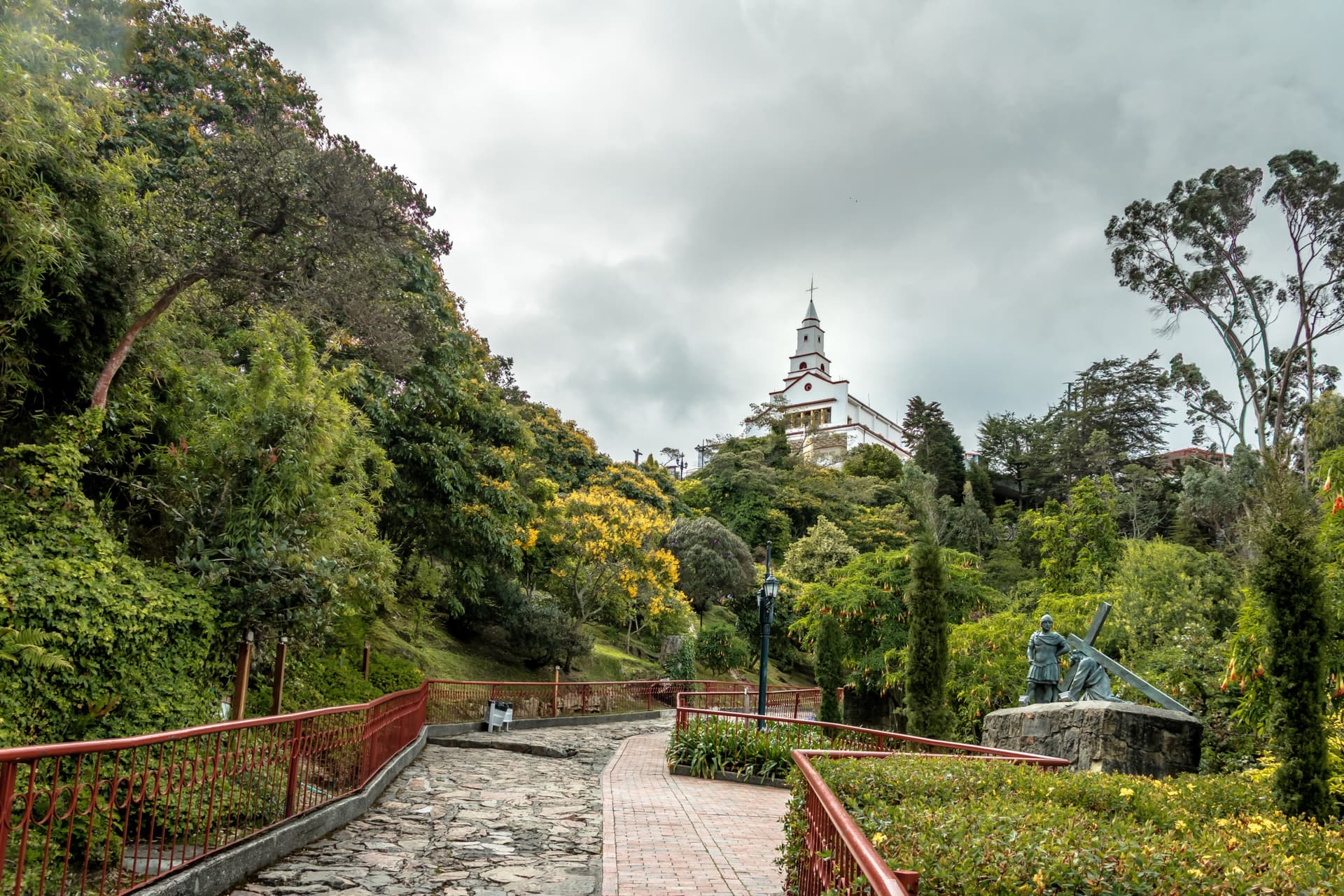
Monserrate dominates Bogota from its 3,152-meter altitude, in the Eastern Cordillera. Crowned by a sanctuary dedicated to the Señor Caído, the mountain serves as a visual landmark for Colombia's capital and ranks among the country's most visited viewpoints.
Why visit Monserrate
Three reasons drive most visits. First, the views: from the summit, you can take in Bogota's urban sprawl, the Sabana plain and the surrounding Andean foothills. Second, the spiritual dimension, as the sanctuary remains an active pilgrimage site. Finally, the natural setting: high-altitude forest, endemic wildlife and the crisp air of the páramo.
Allow half a day to enjoy the site without rushing, longer if you hike up on foot.
History of the site
Before Spanish conquest
Long before the Spanish arrived, the Muisca inhabited Bogota's high valley. They called the sacred mountain "quijicha caca," meaning "grandmother's foot." Their cosmology placed the solar god Sué at its center: during the June solstice, the sun rises precisely behind the mountain—a phenomenon still observable from Bolívar Square.
Colonial period
By the 1620s, the Brotherhood of Vera Cruz (Cofradia de la Vera Cruz) was already organizing religious celebrations on the hill. In 1650, they petitioned the tribunal of Santafe de Bogotá for permission to build a religious retreat house, dedicated to the Dark Virgin of Monserrat. The current sanctuary continues this tradition.
The sanctuary today
Monserrate has become an icon of Bogota and remains a highly active pilgrimage destination, particularly during Holy Week and Marian festivals.
What to see at the summit
The Basilica of the Señor Caído
The church houses the venerated statue of the Fallen Christ, the object of pilgrimages since the 17th century. The interior blends colonial elements with later restorations. The boys' choir (Esconia Monserrate) typically performs twice daily; check on-site for seasonal schedules.
The Way of the Cross
Along the hiking trail, several bronze statues mark the stations of Christ's Passion. The path is used by both pilgrims and hikers.
Restaurants, shops and museum
Two restaurants at the summit serve typical Bogota cuisine: changua (creamy morning soup), ajiaco (chicken and three-potato soup), lechona and chorizo. Outdoor stands offer more affordable snacks.
A small religious art museum houses over 1,300 pieces, mostly colonial paintings and sculptures. Craft shops round out the offerings.
How to get up: your options
The cable car
The cable car links the base of the hill to the summit in minutes, with clear views of the forest. Rates vary by time of day (weekday, Sunday, evening). It's the most convenient option for sunset.
The funicular
The funicular operates mainly in the morning and helps avoid cable car queues during peak season. An accessible ramp facilitates boarding for people with reduced mobility on both transport modes.
Hiking on foot
The free hiking trail is about 2 kilometers with roughly 1,115 steps. The climb is demanding due to altitude (arrival above 3,100 m) and requires good fitness. The trail opens early morning and closes mid-afternoon for descent. The national police patrol the marked route; other trails are not recommended.
When to visit
Bogota experiences two dry seasons (December–March and July–August) that are more favorable, with clear mornings. Rain often arrives in the afternoon during wet season; it's best to go early in the day for the views.
Weekends and holidays attract many Bogotanians, particularly Sunday mornings (pilgrimage day). For more tranquility, choose a weekday. Holy Week brings very heavy crowds.
Practical information
- Altitude: 3,152 m—plan prior acclimatization in Bogota (2,640 m) before hiking on foot.
- Dress code: closed-toe shoes, windbreaker, water, sun protection (strong radiation at altitude).
- Payment: tickets are purchased on-site; best to bring Colombian pesos, as foreign currency is generally not accepted at ticket windows.
- Safety: stay on the marked trail, avoid hiking alone late in the day.
How to get there
Monserrate lies east of Bogota's historic center, about 15 km from El Dorado international airport. From downtown, allow 10–20 minutes by taxi or ride-share depending on traffic. The cable car's lower station is accessible from La Candelaria neighborhood on foot (steep climb) or by taxi, which is safer. A local agency's private transfer simplifies logistics.
Nearby attractions
A visit to Monserrate pairs naturally with Bogota's historic center:
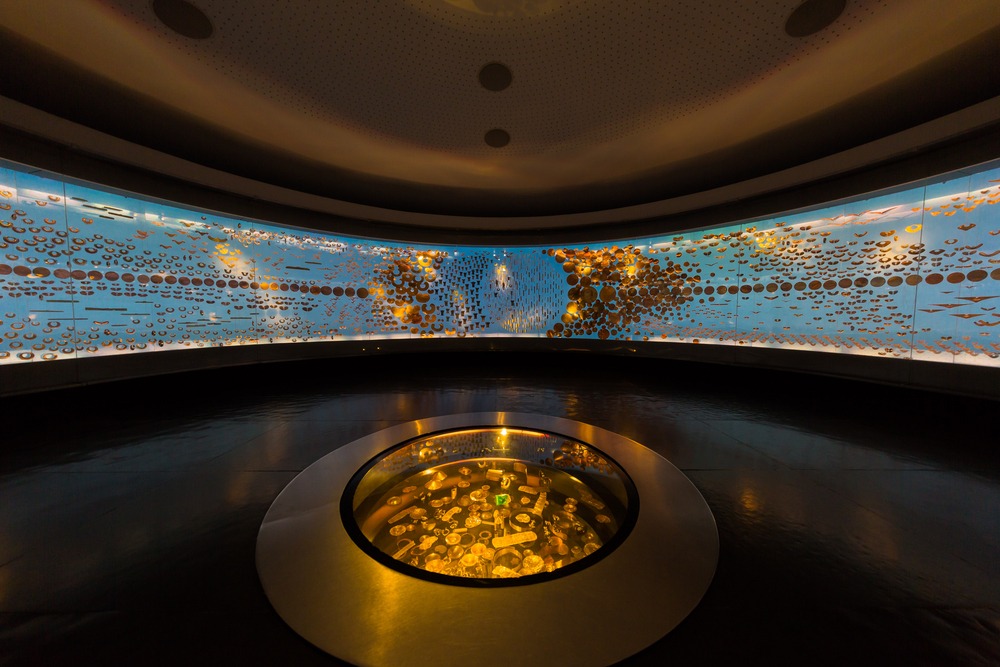
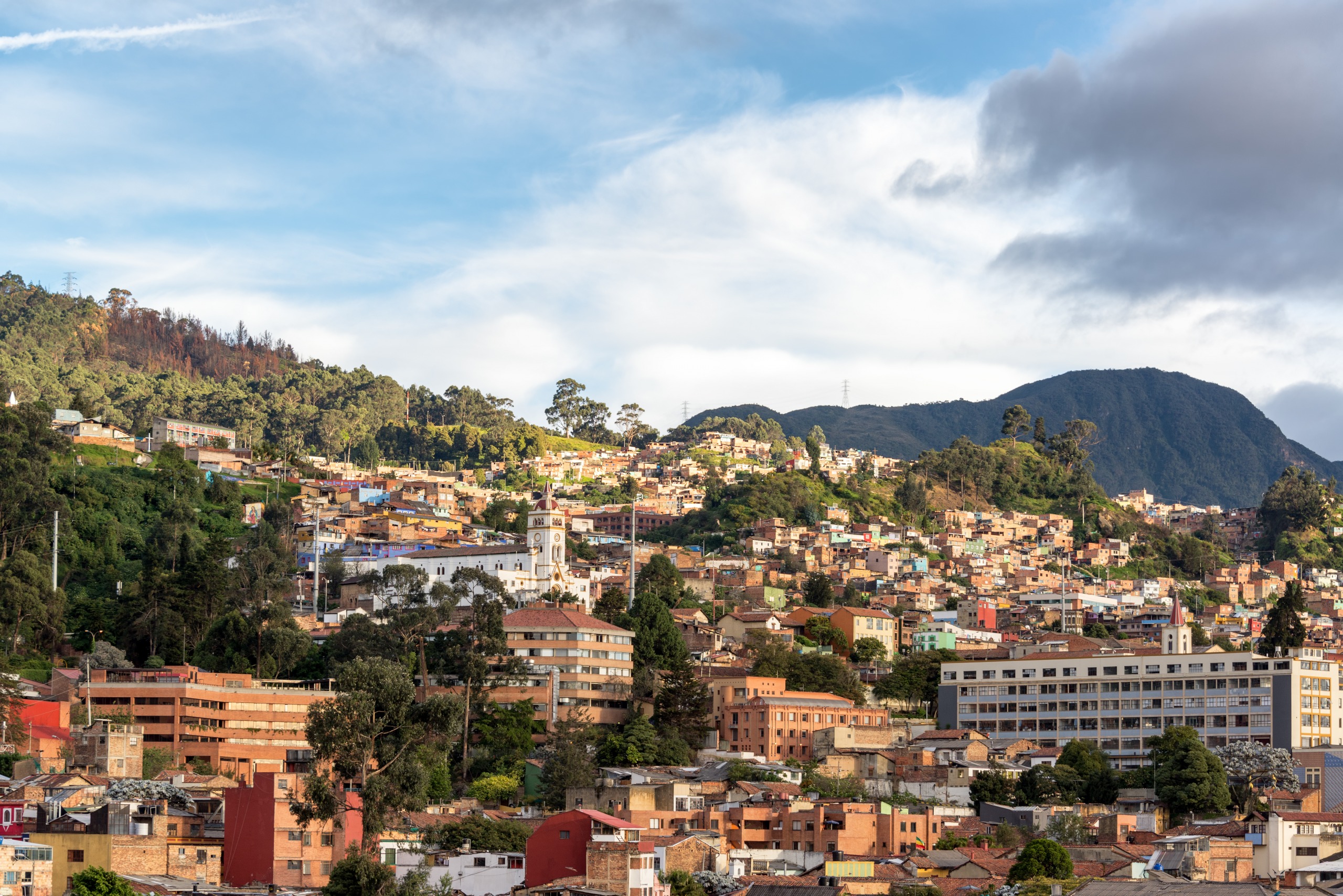
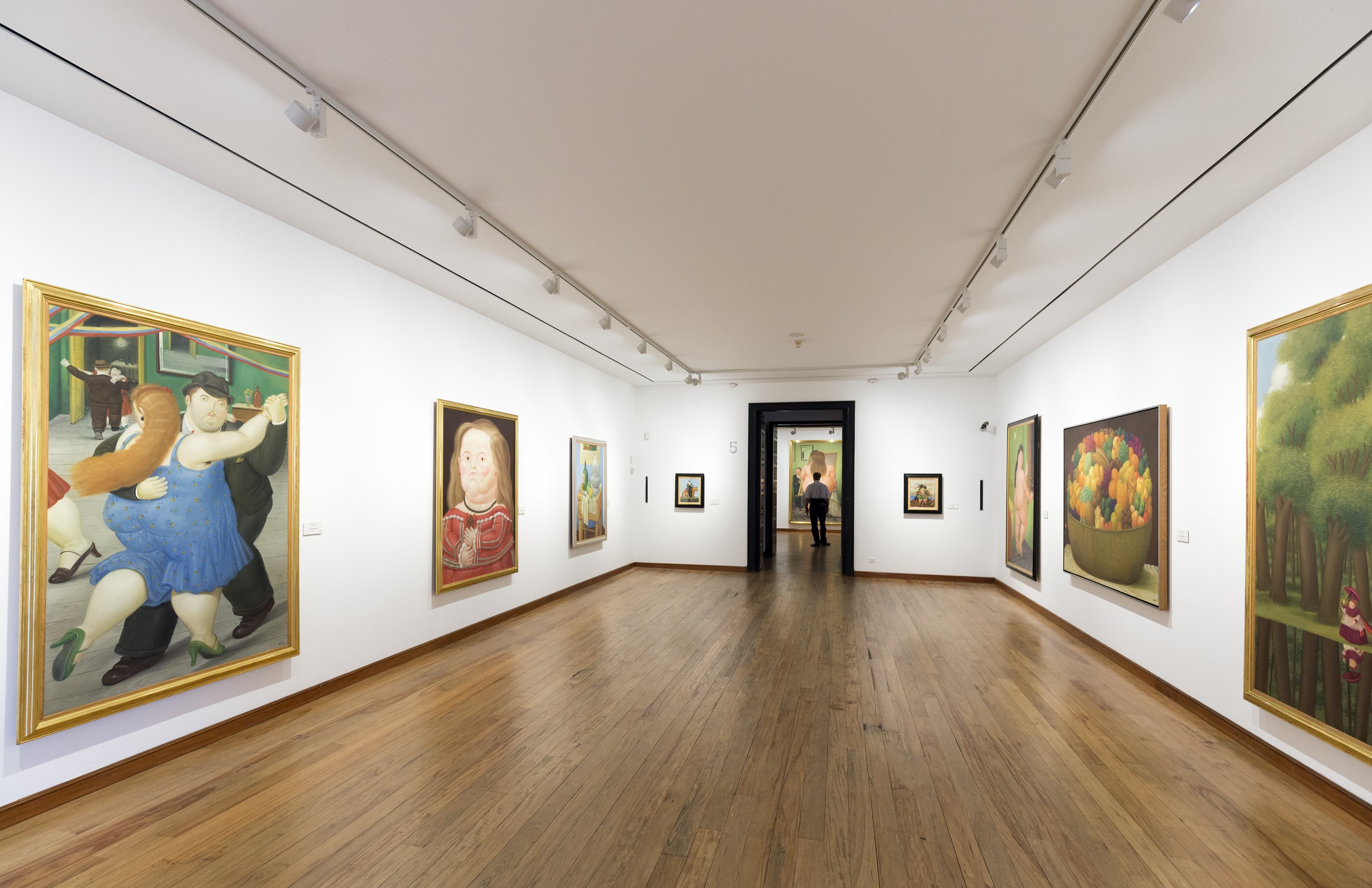
- La Candelaria: the colonial quarter, its museums (Botero, Gold) and Bolívar Square, at the foot of the hill.
- The cerro de Guadalupe, Monserrate's neighbor, topped by a monumental statue of the Virgin.
- Bogota and its other neighborhoods (Usaquén, Chapinero) to extend your stay.
FAQ
Frequently asked questions
Prepare your trip
Monserrate integrates easily into a broader itinerary across the Andes, coffee country and the Caribbean. To craft a bespoke itinerary, explore our Colombie travel suggestions.
Nearby
Interested in this visit?
We can include it in your personalised itinerary.