CEA (Centro Experimental Amazonico)
CEA (Centro Experimental Amazonico)
A 132-hectare reserve 8 km from Mocoa, the Centro Experimental Amazónico combines a botanical garden, fish farming and rehabilitation center for Amazonian wildlife.
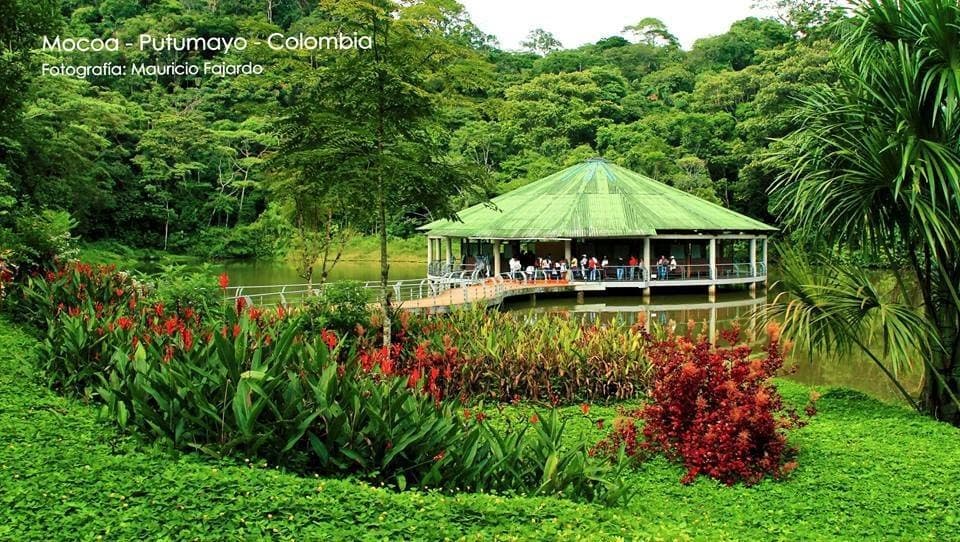
The Centro Experimental Amazónico (CEA) is a 132-hectare natural reserve managed by CORPOAMAZONIA, located in the village of San Carlos, approximately 8 km from Mocoa, capital of the Putumayo department. The site combines a botanical garden, fish farming station, forest nursery and wildlife reception center, with a focus on conservation and environmental education at the threshold of the Colombian Amazon foothills.
Why visit the CEA
The CEA brings together several facets of the Colombian Amazon ecosystem in one place: a scientifically structured botanical garden, a rehabilitation center for seized or injured animals (CREAS), and a fish farm dedicated to indigenous species. The visit is accessible and educational, suited to both families and travelers curious about a hands-on approach to Putumayo's biodiversity. It's also a useful stop for understanding the preservation challenges championed by local institutions and communities before venturing deeper into the Amazon.
History of the site
Before 1986, a traditional farm devoted to extensive cattle ranching occupied the current location of the CEA. The conservation area was established in 1986 through the former Corporación Autónoma del Putumayo (CAP) and was initially named Centro Experimental de la Corporación Autónoma del Putumayo (CECAP).
In accordance with public deed No. 1381 of December 18, 1997 from the Mocoa circuit, ownership of the site was transferred to CORPOAMAZONIA, the Corporation for Sustainable Development of South Amazon. The registration is recorded at the Public Instruments Office of Mocoa under real estate registration number 440-0013.875 and property number 0784. Since then, the CEA has assumed a threefold mission: scientific research, conservation and environmental education, in partnership notably with Suruma Park.
What to see on site
The botanical garden
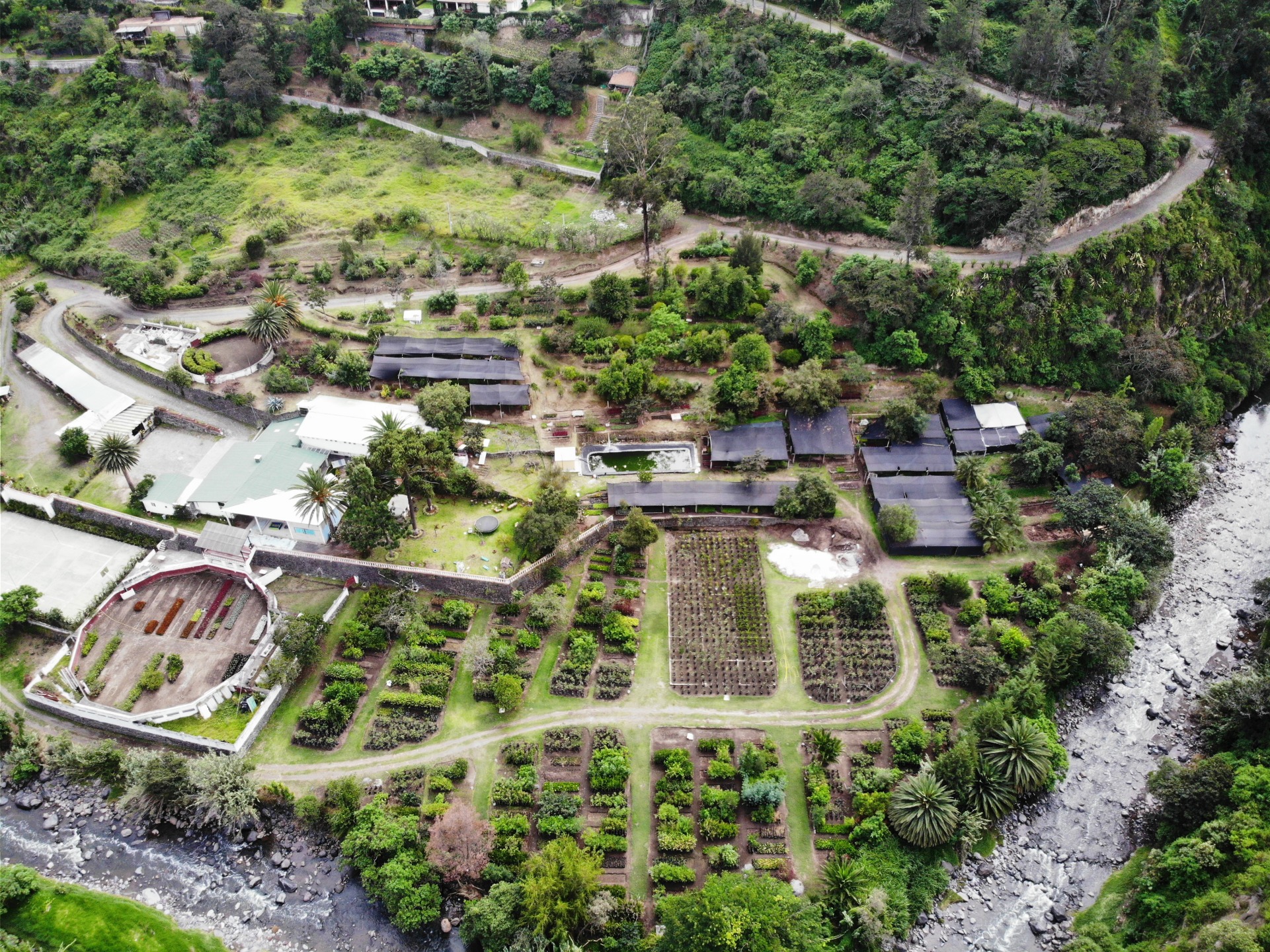
Initiated in 1990, the botanical garden forms the heart of the CEA. Across approximately 25 hectares of landscaped grounds, nearly 500 specimens have been catalogued and organized according to scientific criteria. The botanical families represented include Lamiaceae, Rubiaceae, Asteraceae, Euphorbiaceae and Piperaceae. You'll find several emblematic plants of the Amazon foothills: the Huagra, the Yagé, the Sangredrago, as well as the Espingos and Canelos de los Andaquíes (Ocotea quixos), often associated with medicinal and ritual uses by the region's peoples.
The CREAS and wildlife
The Wildlife Reception and Recovery Center (CREAS) takes in animals confiscated from trafficking or found injured, caring for them before possible reintroduction. Depending on arrivals and ongoing programs, visitors may observe monkeys, jaguars, tortoises, macaws and anacondas. An English-speaking guide accompanies the tour and explains each resident's origin, behavior and rehabilitation challenges.
The fish farming station
The fish farming station studies the reproduction cycle of Amazonian fish species and manages fingerlings in the laboratory. Among the species featured: the Arapaima gigas (Pirarucu or Paiche), a major predator of Amazon basins, the Black Cachama (Colossoma macropomum), the Pintadillo (Pseudoplatystoma tigrinum) and the Oscar (Astronotus ocellatus).
When to visit
Mocoa and the Amazon foothills have a humid climate year-round, with frequent rainfall and a wetter season from March to July. The driest months, generally December to February, make traveling on forest trails and walking in the botanical garden easier. Whatever the time of year, plan for rain gear, insect repellent and closed-toe shoes.
Practical information
The guided tour lasts approximately 2 hours and it's advisable to go with a guide, as the site's expanse makes independent navigation difficult. Entrance fees are modest, with a differentiated price scale for Colombian residents, students and foreign visitors; revenues contribute to the reserve's operation. The CEA is open daily, with more limited hours during the week; it's wise to check current opening times with the local tourism office or your accommodation in Mocoa before traveling.
How to get there
The CEA is located approximately 8 km from Mocoa, in the village of San Carlos, on the road to Villagarzón. From downtown Mocoa, a taxi or local collective transport are the simplest options.
To reach Mocoa:
- By bus: from Pitalito (approximately 2 to 3 hours), Bogotá (approximately 12 hours), Cali (approximately 13 hours) or Medellín (approximately 19 hours).
- By plane: the nearest airport is Villagarzón, served irregularly from Bogotá or Cali. Check current flights with regional airlines.
Nearby attractions
The Putumayo region offers several natural extensions to a CEA visit: the Fin del Mundo waterfalls, trails toward Hornoyaco, Inga and Kamëntšá indigenous communities around Mocoa and Sibundoy. To expand your Colombia itinerary, you can also consult our Mocoa guide.
FAQ
Frequently asked questions
Plan your trip
The CEA fits naturally into an itinerary blending the Andes and Amazon foothills. To build a custom journey incorporating Mocoa and Putumayo, consult our Colombia travel packages.
Interested in this visit?
We can include it in your personalised itinerary.