Gold Museum of Bogotá
Gold Museum of Bogotá
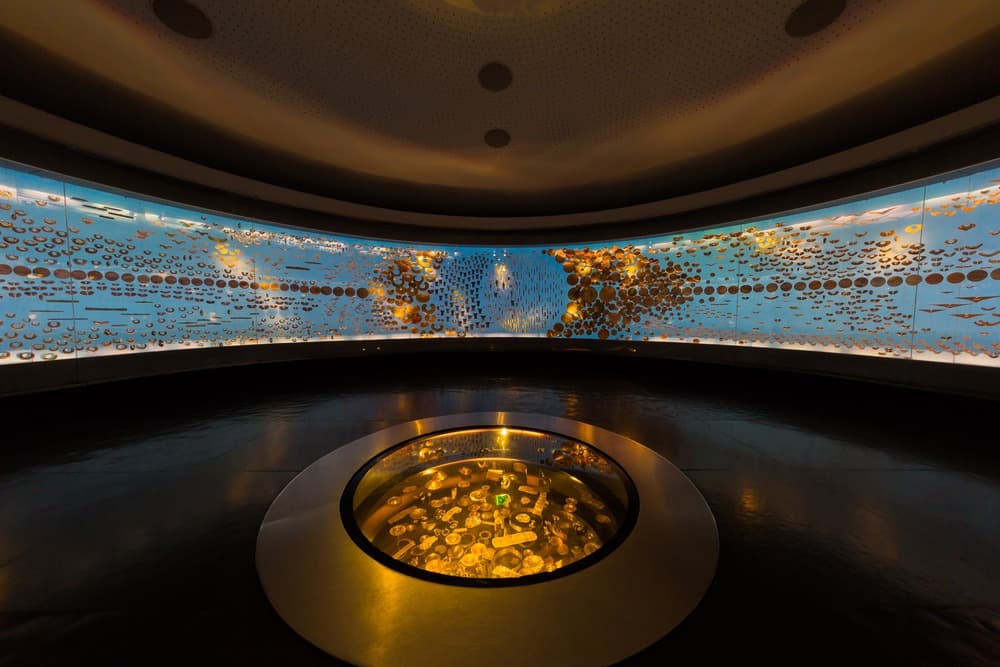
The Museo del Oro de Bogotá houses the world's largest collection of pre-Hispanic gold, with approximately 50,000 pieces from the Muisca, Quimbaya, Zenú and Tayrona cultures.
The Museo del Oro de Bogotá houses the world's largest collection of pre-Hispanic gold, comprising approximately 50,000 pieces of goldwork from the Muisca, Calima, Quimbaya, Zenú, Tierradentro, Tolima, Tayrona and Uraba cultures. Managed by the Cultural Department of the Banco de la República, it welcomes nearly 500,000 visitors each year in the heart of Bogotá.
Why visit the Museo del Oro
Three reasons make this museum essential to understanding pre-Hispanic Colombie:
- A unique collection worldwide: no other museum brings together as many pieces of pre-Columbian goldwork, from simple ornaments to ceremonial pectorals.
- A cultural reading, not merely aesthetic: the exhibition design explains the ritual, political and cosmological role of gold among indigenous peoples, far removed from the mercenary value the conquistadors placed on it.
- A narrative landmark for the El Dorado legend, whose mythical origins find material expression here through the votive vessel from Lake Guatavita.
Museum History
Before Spanish conquest, gold was for Andean and Caribbean peoples a sacred metal associated with the sun, divinities and shamanic transformation. The 16th-century conquistadors, however, saw only plunder: three centuries of looting followed, emptying temples, tombs and lacustrine offerings. In the early 20th century, the Colombian government adopted protective measures for pre-Hispanic heritage to curb export and melting of pieces.
In the 1930s, the Banco de la República began assembling a national collection. On December 22, 1939, it acquired the celebrated Quimbaya poporo, which remains one of the museum's founding objects. A first exhibition opened in 1940 in a bank conference room, reserved for a limited audience. The museum opened to the general public in 1959, then received a dedicated space in 1968. Several expansions have since accompanied the collection's growth.
What to see at the Museo del Oro
The tour is organized around five thematic galleries:
- Trabajo de los metales — extraction techniques, alloys (tumbaga) and lost-wax casting processes.
- Gente y el oro en la Colombia prehispánica — political, social and funerary uses of the metal.
- Cosmología y simbolismo — world representations, totemic animals, dualities.
- La Ofrenda — immersive gallery dedicated to votive deposits and the El Dorado ritual.
- El Exploratorio — educational space devoted to heritage conservation and interpretation.
Emblematic pieces
- The golden vessel (balsa) from Lake Guatavita: votive figurine depicting a chief adorned with gold on a ceremonial raft, illustrating the ritual at the origin of the El Dorado myth.
- The Quimbaya poporo: lime container used in the rite of passage to adulthood among the Muiscas.
- The shamanic chief's regalia: ritual ornaments enabling symbolic transformation into jaguar, lizard or toad.
- Female golden breastplates: pieces associated with the life cycle, union and rebirth.
Practical Information
- Visit duration: allow 1.5 to 2.5 hours to explore all galleries.
- Admission: affordable entry fee, with usual free admission on Sundays and for young children and seniors. Check the official website for current rates before your visit.
- Audio guide: available in several languages, including English-speaking options, for an additional fee.
- Guided tours: offered in Spanish and English at fixed times.
- Accessibility: building equipped for people with reduced mobility.
When to Visit
The museum is closed Mondays and open Tuesday to Sunday during standard daytime hours. Sunday is traditionally free admission day: crowds are heavy, particularly mid-morning. For a quieter visit, choose a Tuesday or Wednesday late morning. Since Bogotá enjoys a temperate highland climate year-round, the museum is an excellent option on rainy days.
How to Get There
The museum is located in the historic center, adjacent to the La Candelaria district.
- TransMilenio: get off at the Museo del Oro station, just meters from the entrance.
- On foot: from La Candelaria or Plaza de Bolívar, allow 10 to 15 minutes' walk.
- Taxi or ride-hailing: recommended in the evening, requesting "Museo del Oro, Parque Santander".
Nearby Attractions
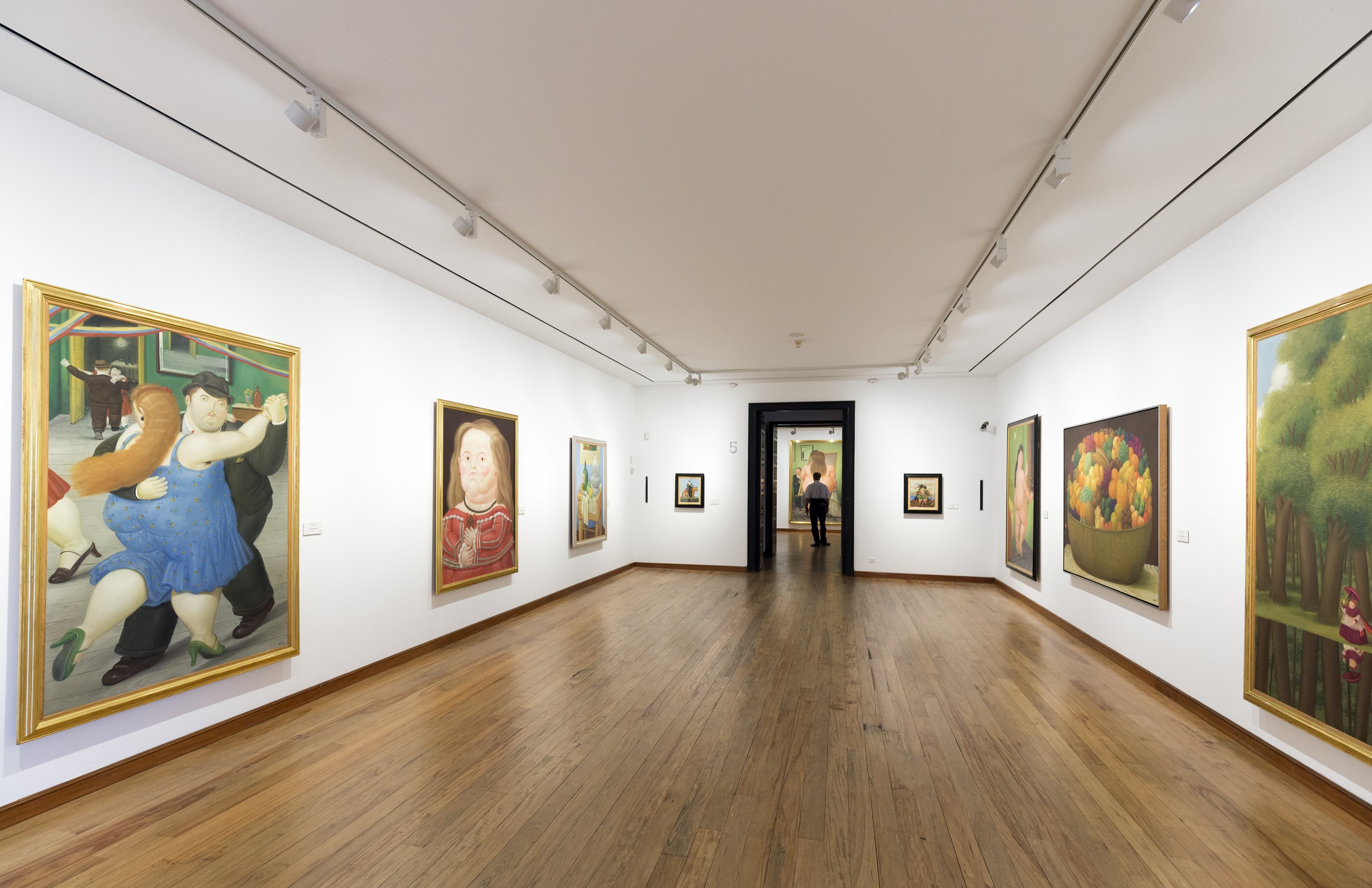
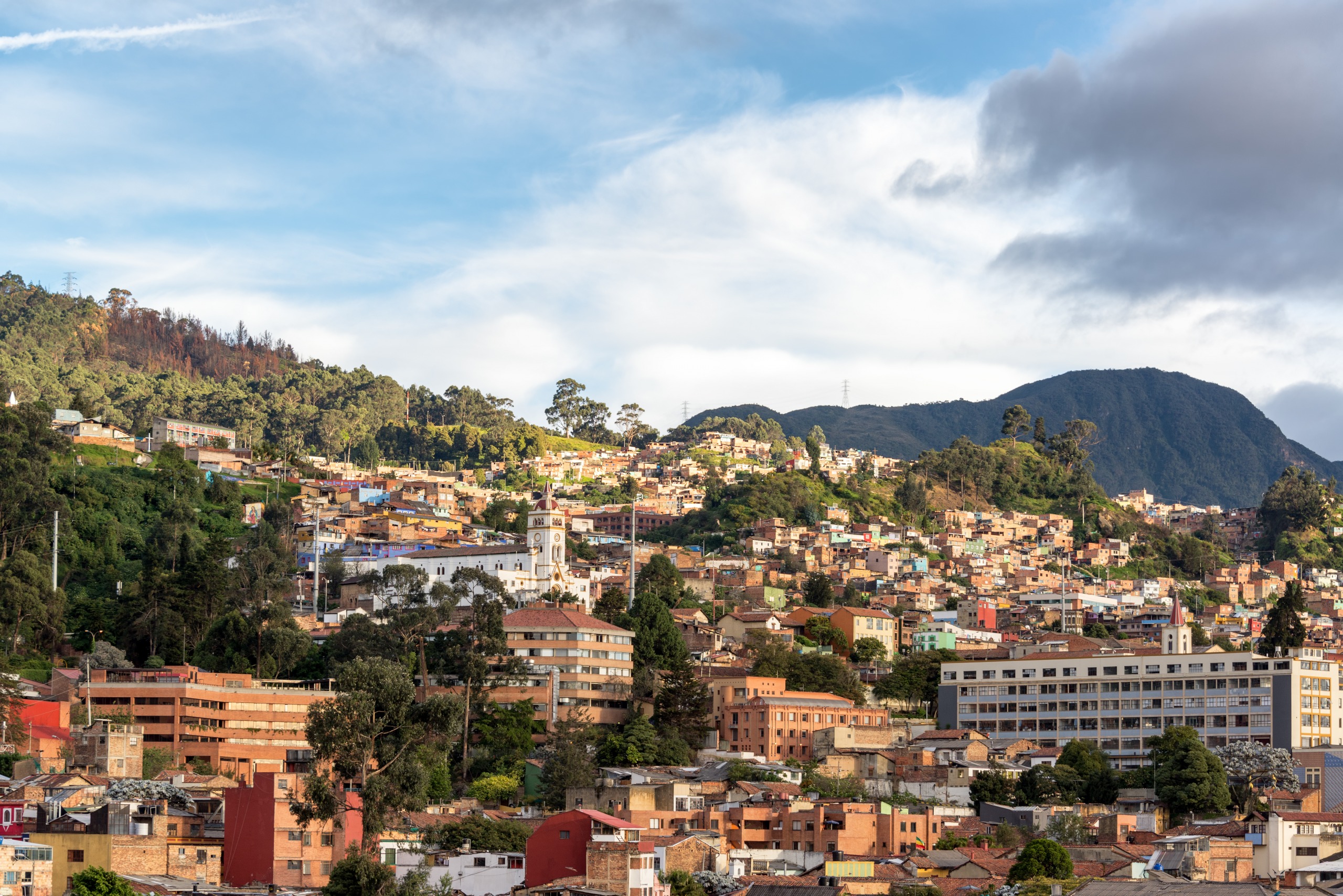
- La Candelaria: colonial quarter with cobbled streets, colorful facades and museums (Botero, Banco de la República).
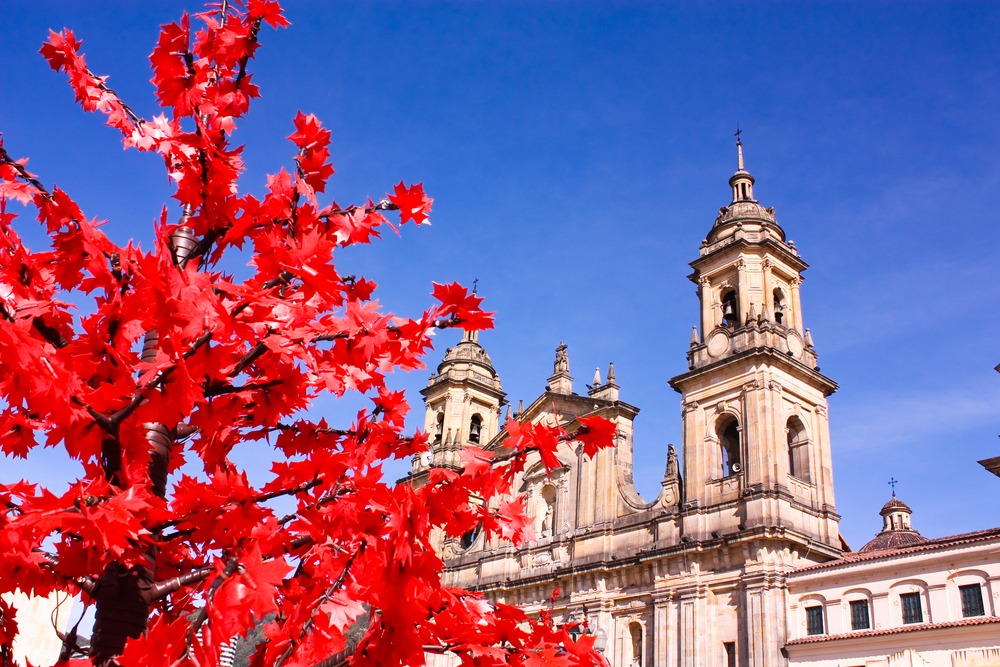
- Plaza de Bolívar: central square surrounded by the cathedral, Capitol and city hall.
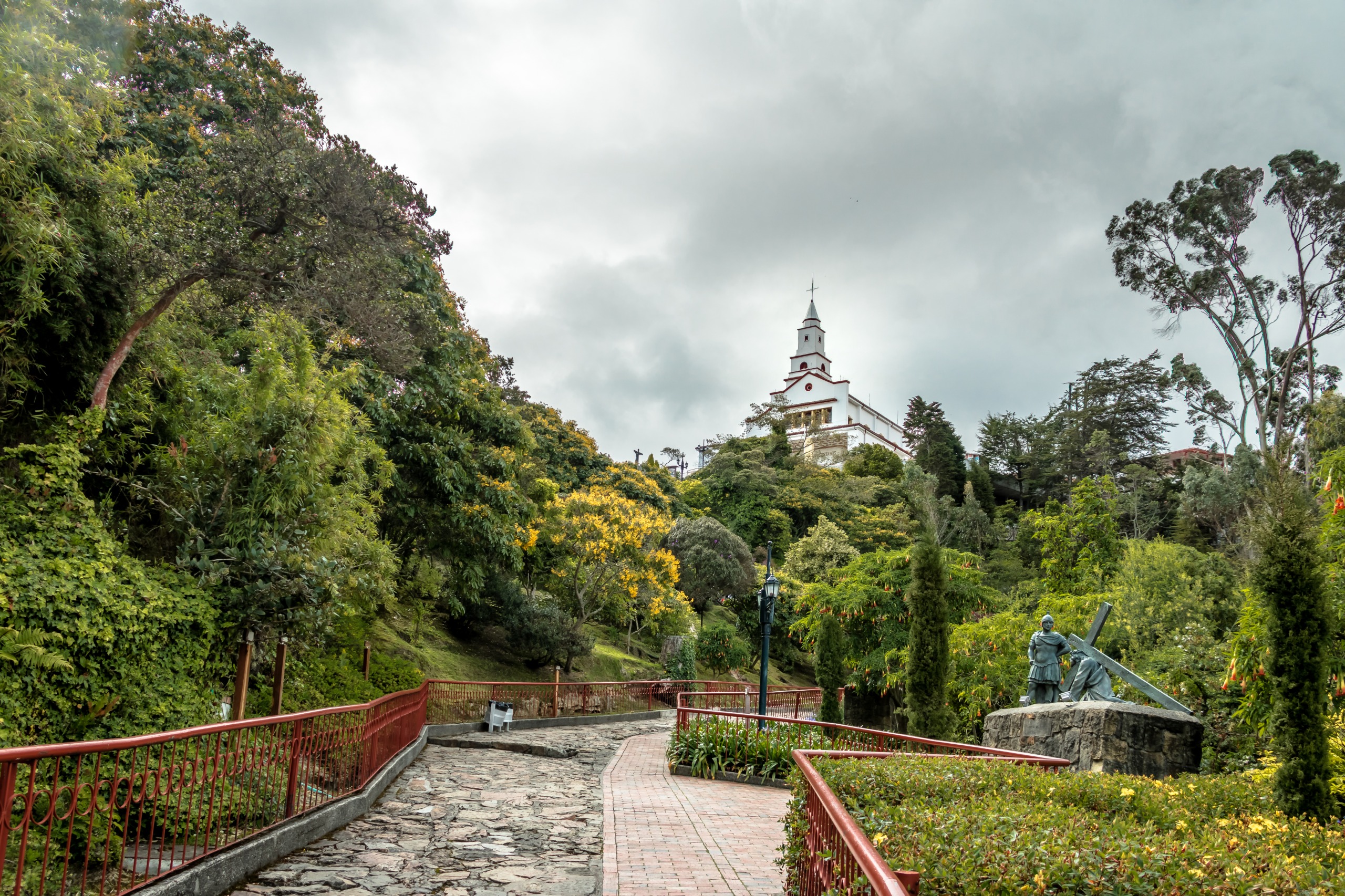
- Cerro de Monserrate: panoramic hill accessible by funicular, about ten minutes' drive away.
Frequently Asked Questions
Frequently asked questions
A complete tour of all five galleries takes between 1.5 and 2.5 hours. Allow more time if you use the audio guide or join a guided tour.
Yes, admission is traditionally free on Sunday for part of the day. However, crowds are significant: arrive early or choose another day if you prefer a quieter experience.
Guided tours with a mediator are offered in Spanish and English. An English-speaking audio guide is available for rent to follow the tour at your own pace.
Yes, the El Exploratorio gallery has been designed for younger visitors, and the overall exhibition design (lighting effects, immersive offerings gallery) appeals to children from ages 6-7 onwards.
Photography without flash is generally permitted for personal use. Tripods and commercial photography require prior authorization.
Planning Your Trip
The Museo del Oro fits naturally into a Bogotá stay combined with La Candelaria, Monserrate and broader exploration of Andean and Caribbean Colombie. To build a custom itinerary, consult our journeys in Colombie.
Nearby

Interested in this visit?
We can include it in your personalised itinerary.