Pereira
Pereira
Pereira, metropolis of the Eje Cafetero, is the gateway to the UNESCO-listed Cultural Landscape of Coffee. Between lively plazas, a spectacular viaduct and coffee fincas, it offers an ideal base for exploring the region.
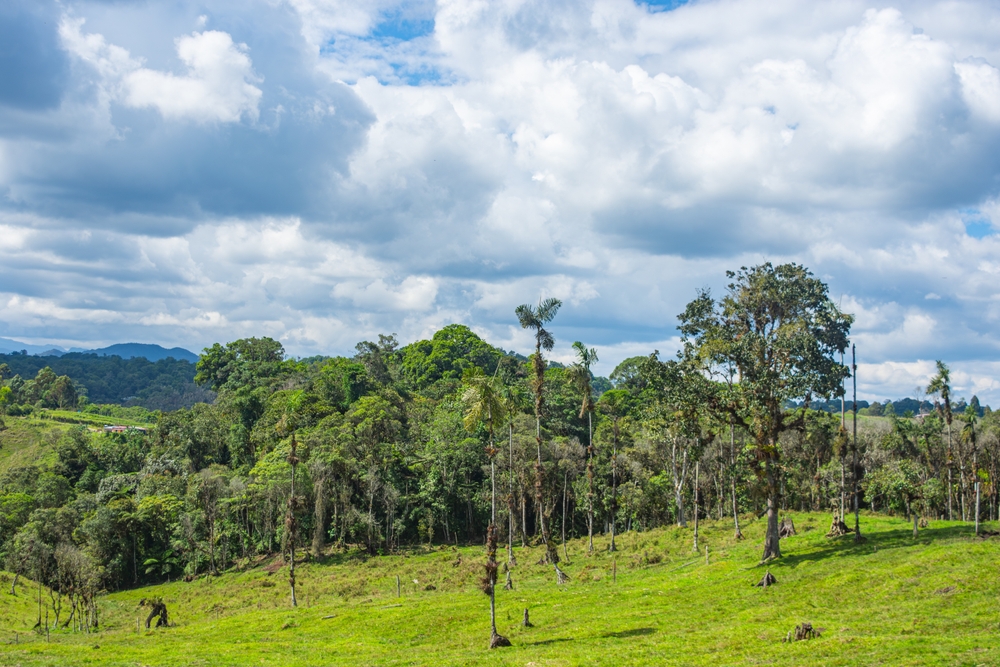
Pereira is the capital of the department of Risaralda, in the heart of Colombia's coffee region. Founded in the 19th century, it stands as the dynamic metropolis of the Eje Cafetero, surrounded by verdant hills and coffee plantations. Its central position makes it an ideal base for exploring the Cultural Landscape of Coffee, listed as a UNESCO World Heritage site.
Practical information at a glance
- Access: International Matecaña Airport, just a few kilometers from downtown; direct flights from Bogotá, Medellín and Cali.
- Urban transport: Megabús rapid bus system (BRT) covering the city's main routes.
- Altitude: approximately 1,411 m — temperate climate year-round, between 17 °C and 28 °C.
- Recommended duration: 2 to 3 days for the city and its immediate surroundings.
- Attire: No particular constraints; bring a light jacket for evenings.
What to see
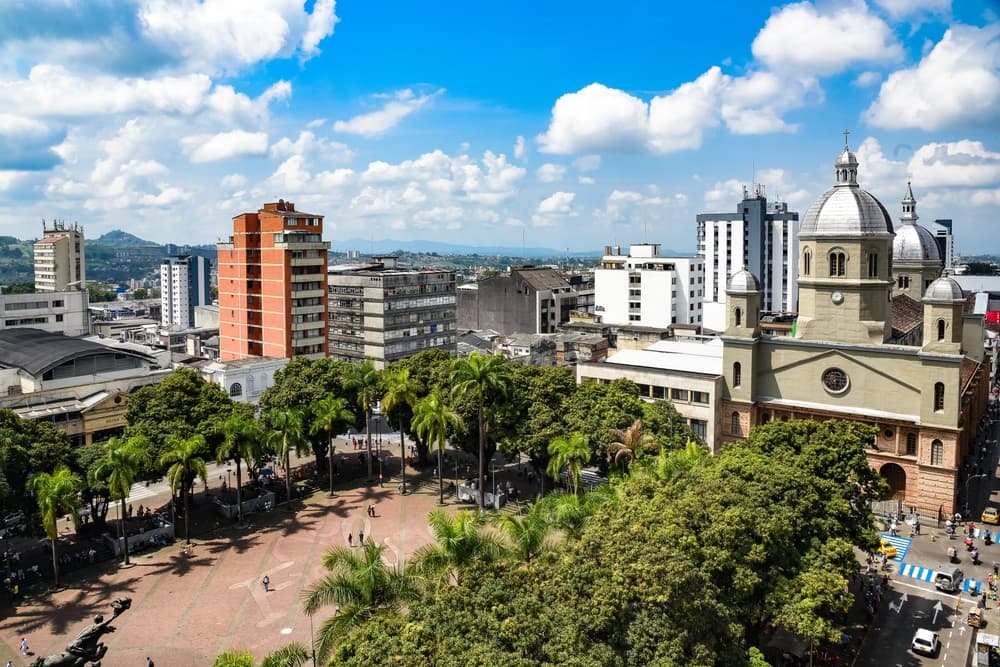
Downtown revolves around the Plaza de Bolívar, dominated by the famous bronze sculpture of a nude Simón Bolívar, a work by Rodrigo Arenas Betancourt — an iconic and often debated piece. The Pereira Viaduct, a suspension bridge connecting the city to Dosquebradas, marks the urban landscape. The Parque del Lago offers a relaxation space in the heart of the city.
History and context
Pereira was founded in 1863 by Francisco Pereira Martínez, after whom it is named. It developed rapidly thanks to Antioqueño settlement and coffee cultivation. A devastating earthquake in 1999 profoundly marked the city and region, leading to reconstruction that modernized portions of the urban fabric. Today, Pereira is one of Colombia's fastest-growing cities.
Highlights of the visit
Plaza de Bolívar and its controversial sculpture
The Bolívar statue signed by Arenas Betancourt, inaugurated in 1963, depicts the Libertador on horseback, nude, in an expressionist style. It still provokes strong reactions today. The plaza itself is the social and political heart of the city.
The César Gaviria Trujillo Viaduct
This suspension bridge stretches over 400 meters, connecting Pereira to Dosquebradas above the Otún River canyon. Inaugurated in 1997, it remains one of the most impressive engineering works in the coffee region.
Parque Ukumarí and the nature reserve
Near the city, this zoo and conservation park hosts emblematic species of Colombian wildlife, including the spectacled bear. It provides a natural complement to your urban visit, particularly for families.
Avenida Circunvalar
A gastronomic and leisure hub, this avenue concentrates restaurants, cafés and bars frequented by locals. Here you best perceive Pereira's social energy, particularly in the evening.
Photography tips
Morning light is ideal for photographing Plaza de Bolívar before crowds arrive. The Viaduct photographs well from the Otún River banks or from the heights of Dosquebradas. Surrounding coffee plantations display their best colors between October and December, during the main harvest.
Location and access
Pereira sits in the Otún River valley, approximately 300 km west of Bogotá. Matecaña Airport provides regular flights to major Colombian cities. By bus, the city is connected to Armenia, Manizales and Medellín by well-maintained roads. Megabús facilitates intra-city travel. Accessibility for people with reduced mobility remains limited in sloped neighborhoods.
Nearby attractions
- Salento — colorful colonial village at the heart of coffee plantations, gateway to Cocora Valley.
- Cocora Valley — emblematic landscape of wax palms, Colombia's national tree.
- Manizales — university and cultural city of the Eje Cafetero, approximately one hour to the north.
- Armenia — capital of Quindío, access point to Parque Nacional del Café.
- Santa Rosa de Cabal Hot Springs — natural hot springs in a forest setting, approximately thirty kilometers away.
Frequently asked questions
December through February and June through August correspond to the least rainy seasons. The coffee region receives rainfall year-round; a light raincoat remains useful regardless of season.
Yes. Its central position, international airport and bus connections to Salento, Armenia and Manizales make it the most convenient logistical hub in the coffee region.
Regular buses and shared taxis connect Pereira to Santa Rosa de Cabal. From the town, private shuttles serve the hot springs. The total journey takes approximately one hour.
Several fincas in the surrounding area offer guided tours including picking, processing and coffee tasting. Local agencies organize these day excursions.
Downtown and tourist neighborhoods are generally visited without difficulty. As in any major Colombian city, it is advisable to avoid isolated nighttime travel in poorly lit areas and not to display valuable objects.
One day is sufficient for the main urban sites. Two to three days allow you to include excursions to Salento, Cocora Valley or Santa Rosa de Cabal hot springs.
Want to discover this destination?
Our local advisors design your tailor-made trip.