Palenque de San Basilio
Palenque de San Basilio
The first free territory in the Americas, San Basilio de Palenque preserves a unique language, rituals, and Afro-Colombian identity, recognized by UNESCO as intangible cultural heritage since 2005.
San Basilio de Palenque is an Afro-Colombian village founded in the 17th century by maroons—enslaved Africans who fled Cartagena. Recognized by UNESCO in 2005 as intangible cultural heritage of humanity, it stands as the first free territory in the Americas. Its inhabitants speak Palenquero, the only Spanish-based creole language in Latin America. Located approximately 70 km southeast of Cartagena, the village preserves unique musical, ritual, and linguistic traditions found nowhere else in the world.
Essential Information at a Glance
- Access: From Cartagena, take a bus or shared van to Malagana, then a mototaxi to the village.
- Recommended Duration: Half-day to full day.
- Attire: Casual clothing suited to tropical heat.
- Respect: This is an inhabited village—always ask permission before photographing residents.
What to See
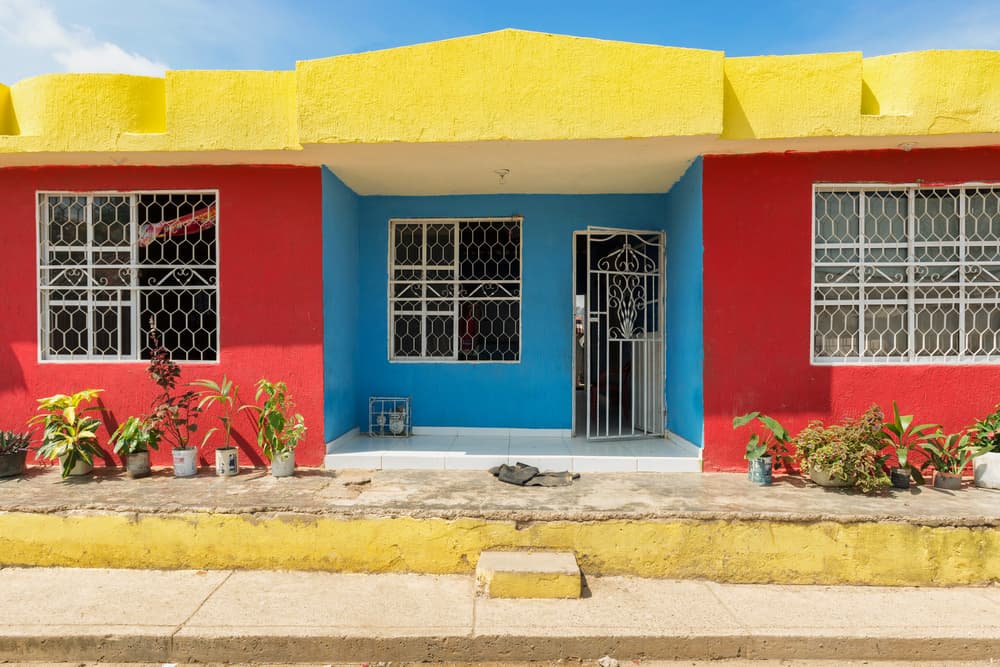
The village features colorful houses with painted facades, dirt-packed streets, and shaded plazas. Palenquera women, adorned with elaborate braids, sell traditional sweets (cocadas, alegrías) from basins balanced on their heads. Murals recount stories of resistance and freedom. The cemetery, a site of lumbalú rituals, bears witness to preserved African cosmology.
History and Context
In the 17th century, African enslaved people led by Benkos Biohó escaped Cartagena's plantations and founded this palenque—a fortified settlement of maroons. In 1691, the Spanish Crown officially recognized its freedom, an exceptional occurrence in colonial America. Geographic isolation enabled the survival of the Palenquero language and Bantu cultural practices absent elsewhere on the continent.
Highlights of Your Visit
The Palenquero Language
Palenquero blends Spanish, Portuguese, and Bantu languages (Kikongo, Kimbundu). Local residents offer informal exchanges or brief introductions. A few words are enough to forge a genuine connection with the community.
Palenquera Women
Emblematic figures of the village, they continue an ancestral street trade. Their braids, ruffled dresses, and basins of sweets form a living symbol of Palenquera identity, even represented on Colombian banknotes.
The Lumbalú
This collective funeral ritual, sung in Palenquero, accompanies the deceased over several days. It is not staged for tourists—if you witness one, observe with discretion and distance.
Music and Dance
The village is a birthplace of champeta and preserves African drum rhythms. Local groups perform at community celebrations, notably around the annual festival honoring Benkos Biohó.
Photography Tips
Light is best in the morning, before the intense midday heat. Colorful facades and winding streets offer excellent frames. Always ask permission before photographing any person—some residents refuse or request a contribution. Avoid photographing the cemetery without explicit consent.
Location and Access
San Basilio de Palenque is situated in Bolívar Department, approximately 70 km southeast of Cartagena. From Cartagena's bus terminal, services run to Malagana; from there, mototaxis connect to the village. The road is paved to Malagana. Car rental access is possible. The village is flat and walkable, though dirt streets may be challenging for wheelchair users.
Nearby Attractions
- Cartagena — UNESCO-listed colonial city and the natural starting point for visiting Palenque.
- Rosario Islands — coral archipelago accessible by boat from Cartagena.
- Mompox — UNESCO-listed colonial town on the Magdalena River, a few hours south.
Frequently asked questions
The dry season (December-April) is most comfortable. Avoid midday hours, as heat is intense year-round. The Benkos Biohó festival in May is a lively period.
A local guide is not mandatory but strongly recommended. It facilitates interaction with residents, explains cultural practices, and directly supports the community economy.
Yes, departing early from Cartagena. Plan at least a half-day on-site to avoid rushing through. Some agencies offer organized full-day excursions.
No. Residents are people, not attractions. Always ask permission before photographing anyone. Some willingly consent, others refuse or request a contribution—respect their choice.
A few families offer homestay accommodations. Supply is limited; most visitors make a day trip from Cartagena.
The terrain is flat, but dirt streets and lack of dedicated facilities make wheelchair access difficult. Consult with a local agency before planning.
Want to discover this destination?
Our local advisors design your tailor-made trip.